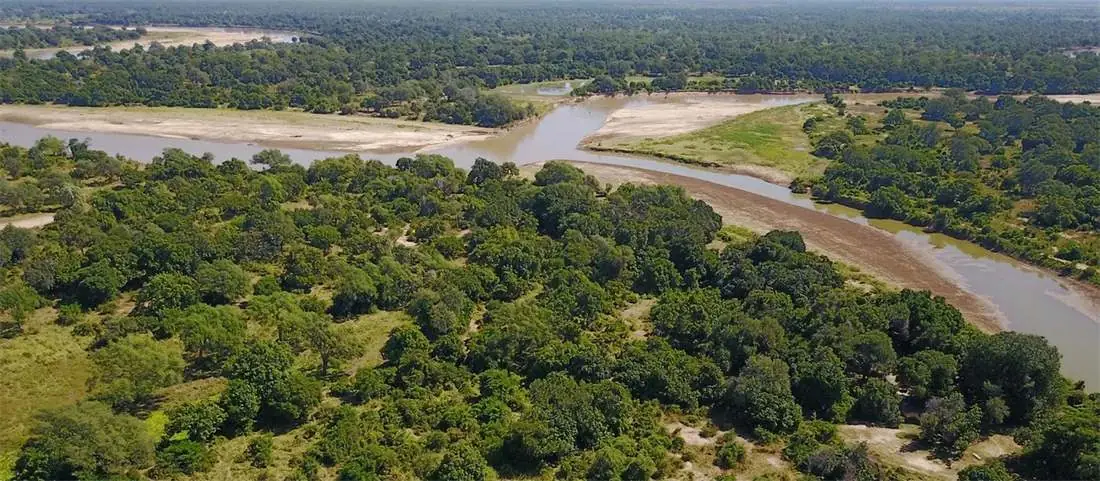
A family, a valley, and the people who bring it to life.
The Safari Heritage Collection is family owned, and carried every day by a team of some 350 people across ten camps in South Luangwa, Zambia.
Five chapters, one valley.
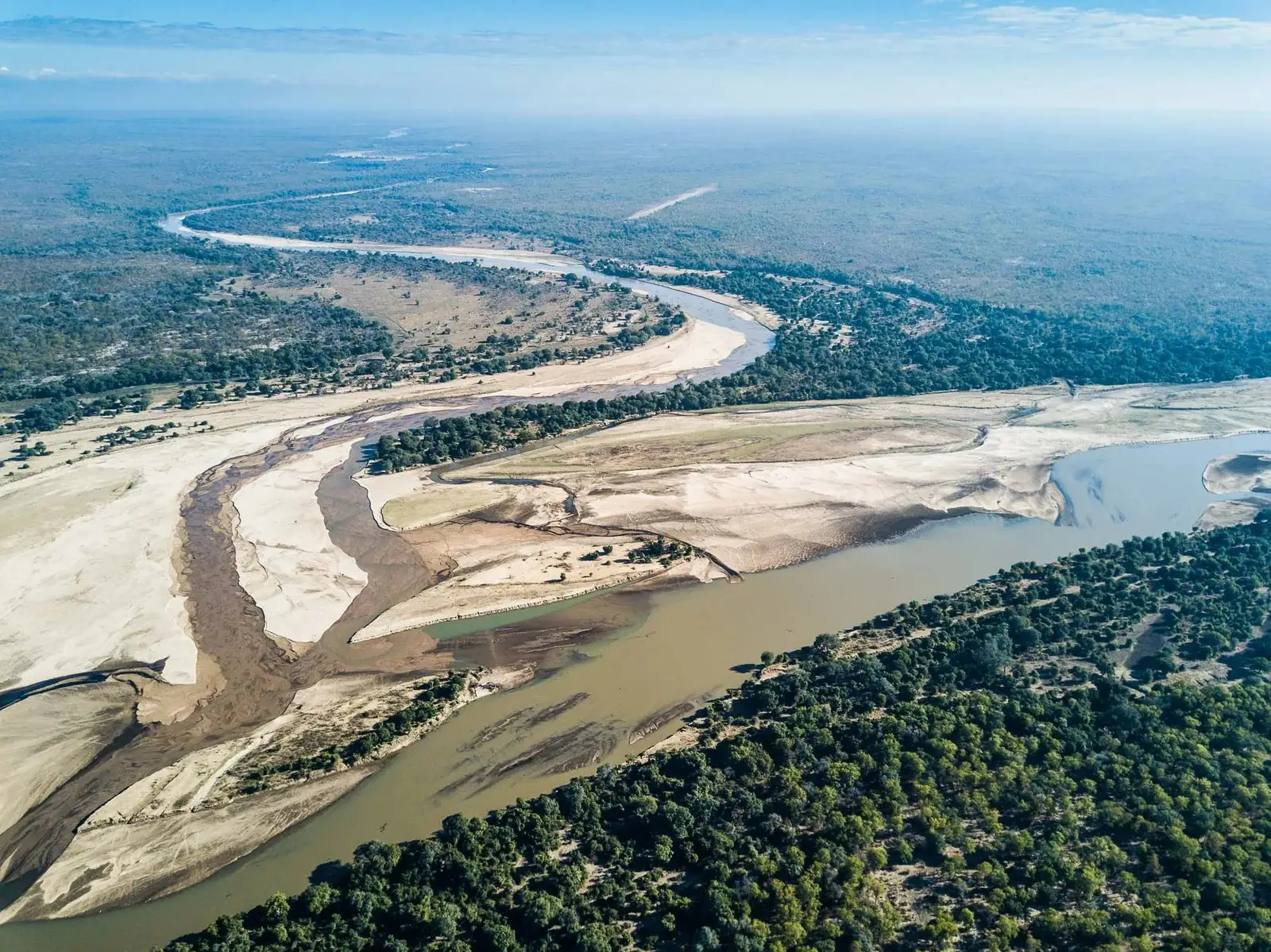
The Ground
The animals came first: how the valley and its wildlife were made.
The Record
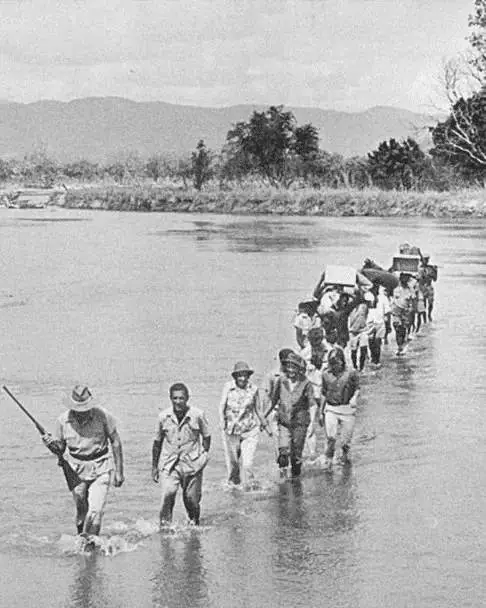
Norman Carr, 1961, and the government record of the first walking safaris.
The Circuit Restored
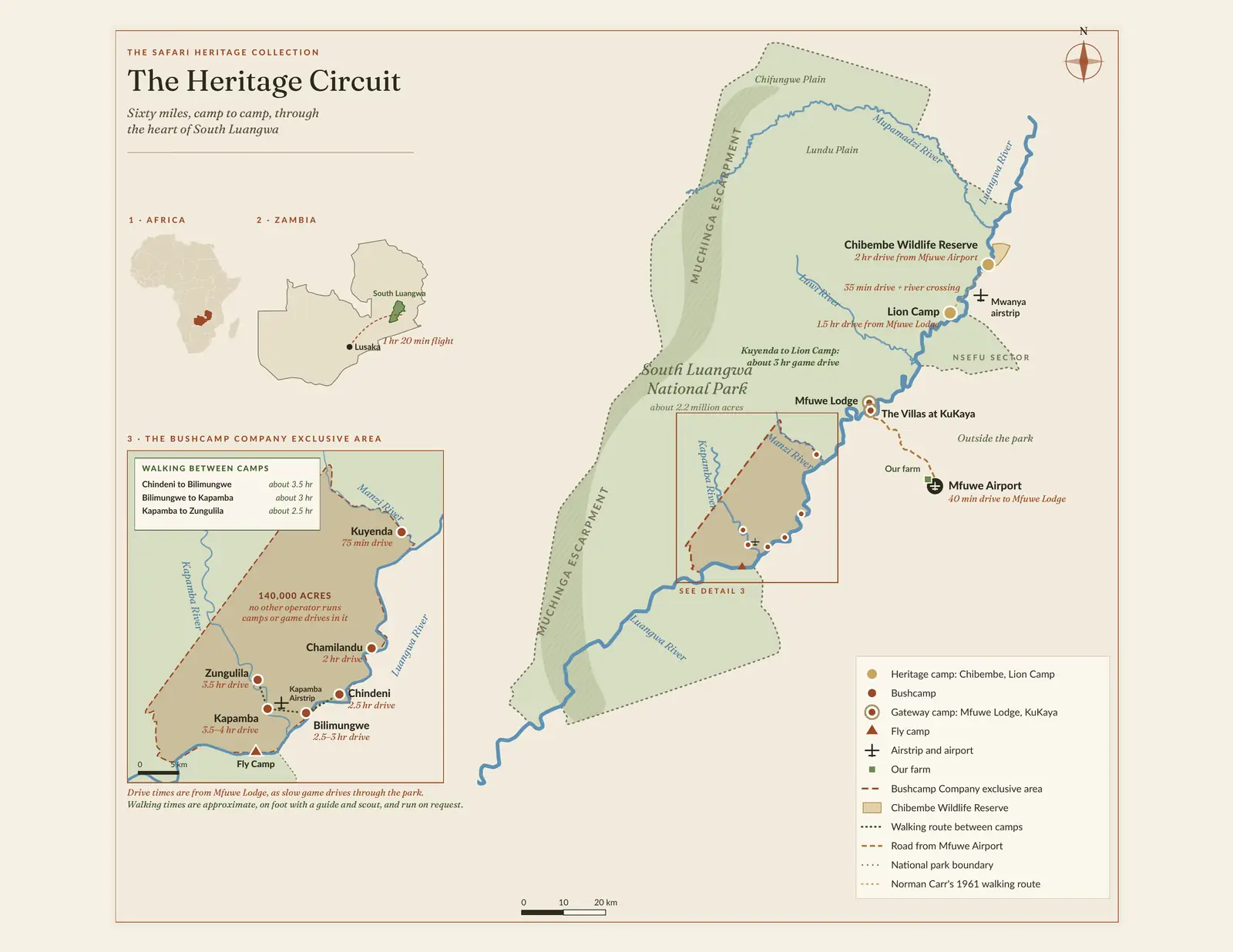
How Chibembe, Lion Camp and The Bushcamp Company became one journey again.
The Custodians
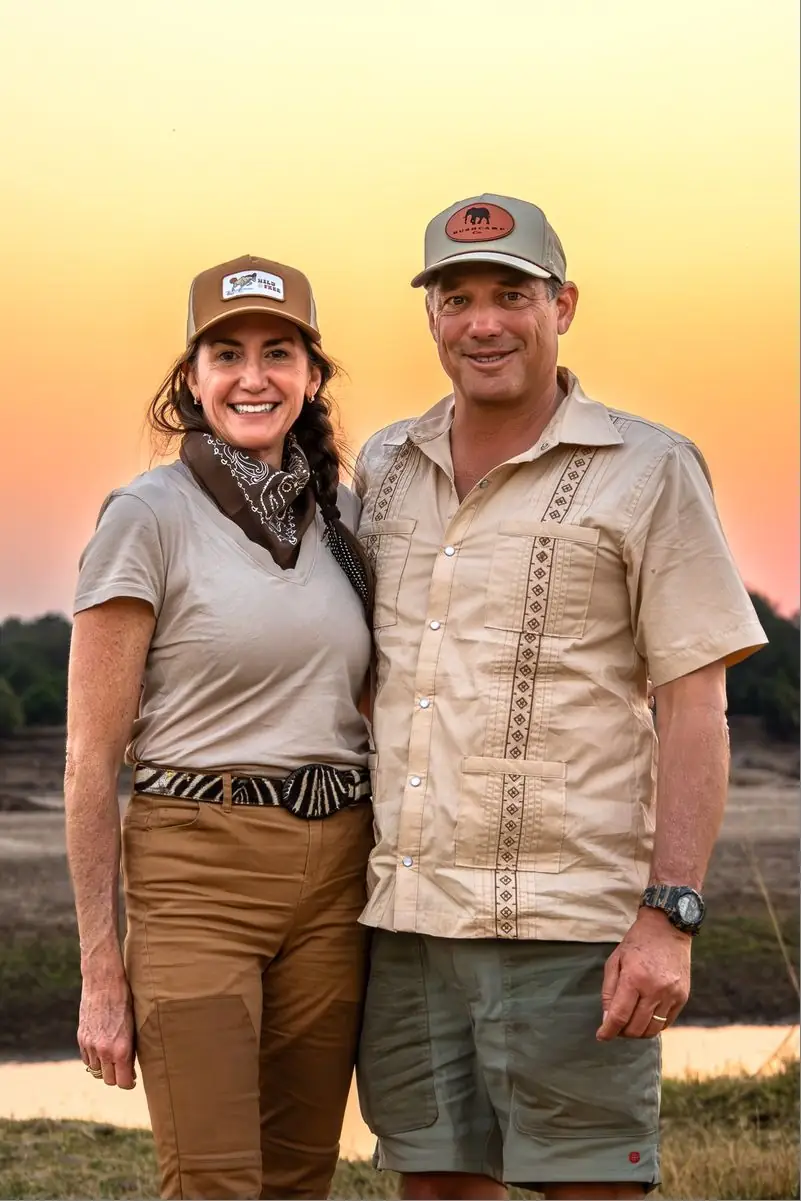
The family, and the 350 people who carry the Collection every day.
The Impact
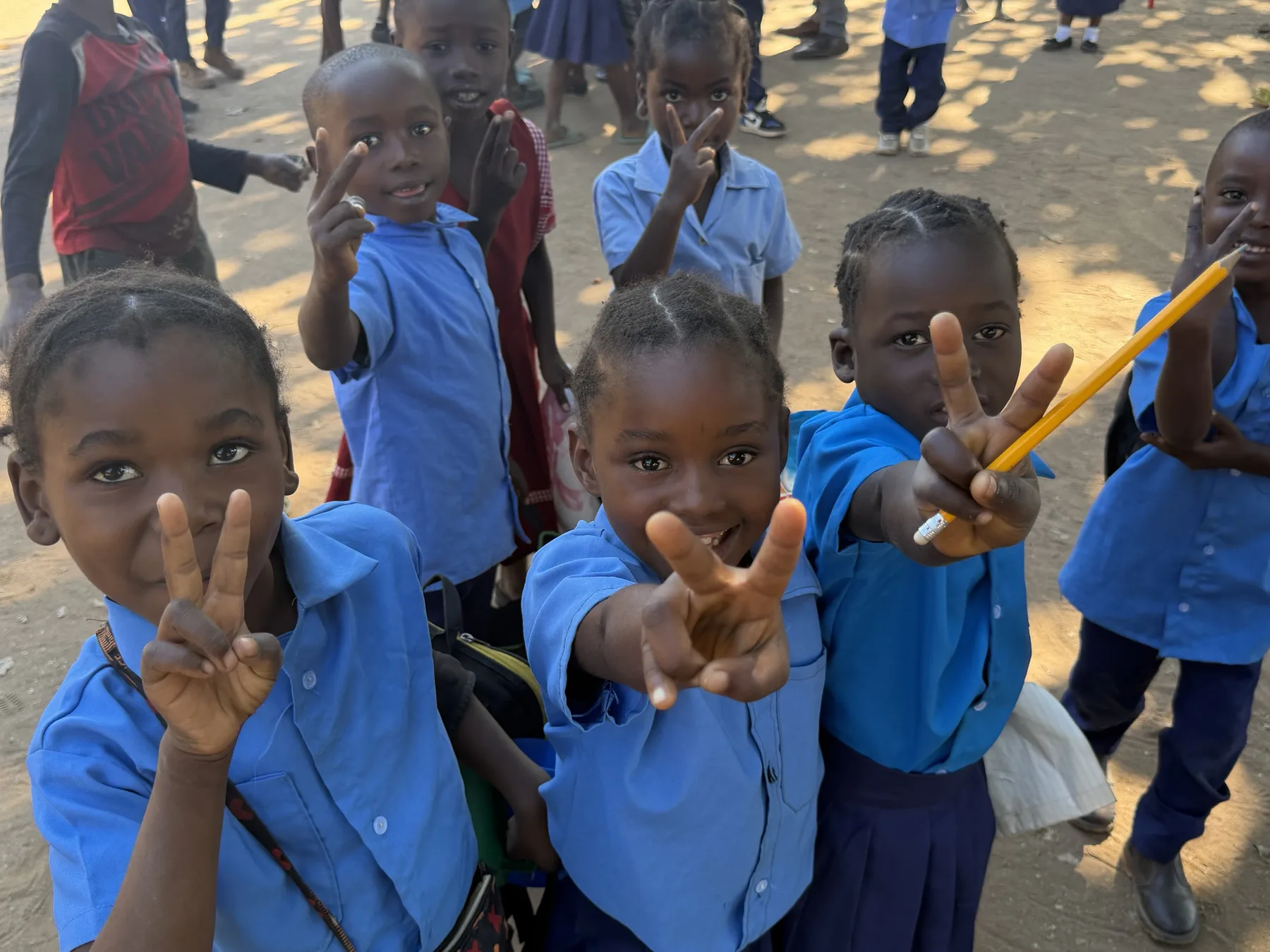
Stronger communities, more wildlife: the record so far.
Forty years of coming back to the same river.
In 1984, a thirteen-year-old Corby first stood on the bank of the Luangwa. Elephants coming out of the mist, hippos surfacing without hurry, and a guide who knew every track in the sand. He went home to Houston, and for forty years the memory of that river never let him go.
Read Corby’s story: “I was thirteen” →
He kept coming back, later with Brooke and their family. And when the chance came to look after part of this valley, they took it: first The Bushcamp Company and Chibembe, then Lion Camp. With it, the two ends of Norman Carr’s original walking circuit came back together for the first time in decades.
Our vision is to share the rich heritage and safari experiences of this valley with our guests, and through every stay to support the communities and the wildlife of the valley. Every stay helps keep guides employed, scouts on patrol and children in school, and keeps footsteps on the trail Carr first walked.
Sharing a passion together.
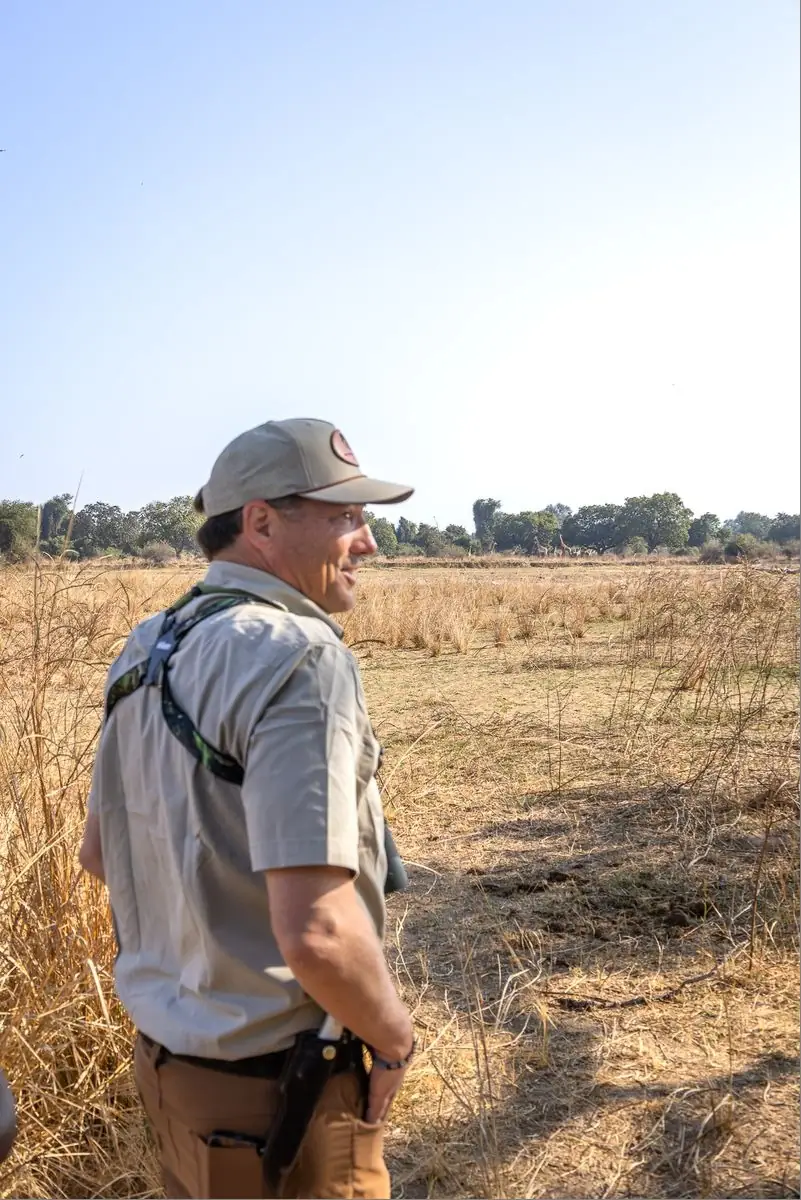
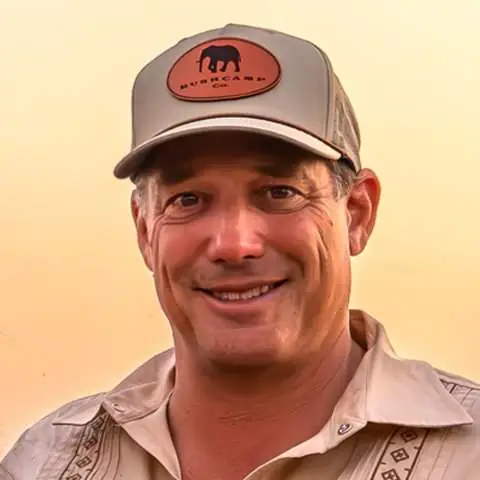
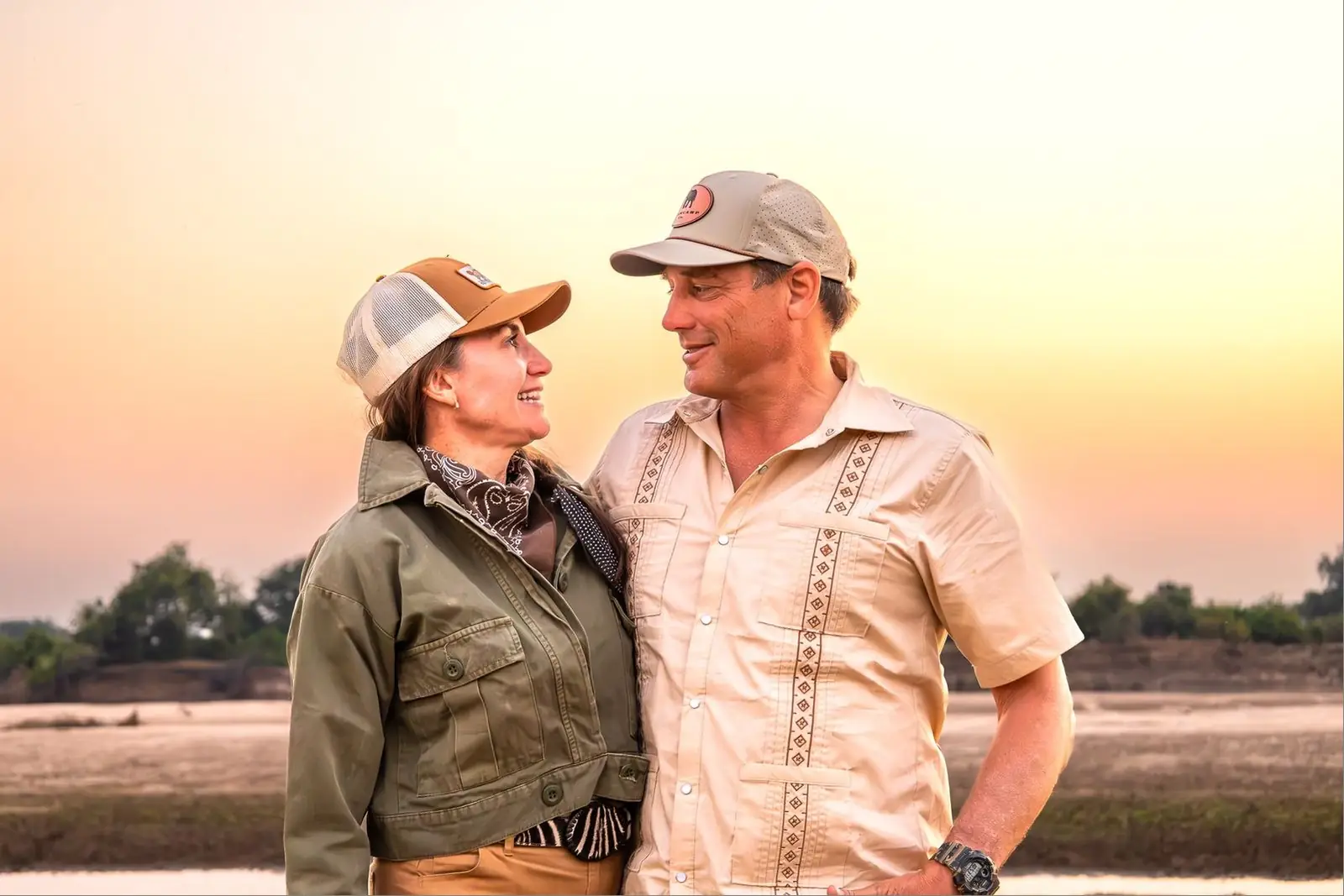
Corby Robertson III
PartnerA lifelong lover of wild places who fell for the Luangwa at thirteen and never got over it. Corby brings a lifetime of experience building long-term businesses and a multi-generation background in land conservation. When it comes to stewarding this Collection, it’s a simple decision: is it right for the valley?
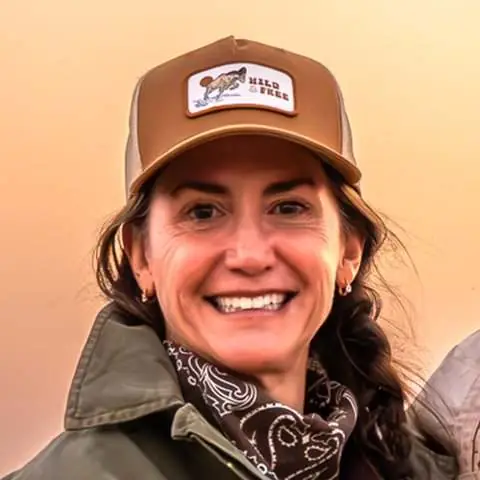
Brooke Robertson
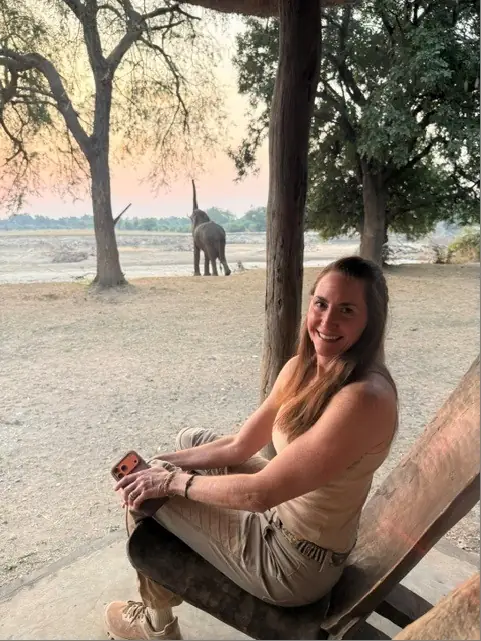
Partner · Design & Community ProjectsBrooke shapes how every camp looks and feels, each with its own character and all of them unmistakably South Luangwa. She also leads the family’s community work, including two years of relationship-building with the Bisa people of the Mwanya Chiefdom that led Chieftainess Mwanya to grant the 2,500-acre Kalovia Island lease.
“We started asking ourselves how we could use some of our resources to make a real difference in the world, and the answer was immediate: the Luangwa Valley. Working to better the communities and wildlife in one of the last great unfenced wildernesses on the planet was an easy decision. We love the wildlife. We love being in the village communities. Simply, we love this valley.”Corby Robertson
Why this valley has their hearts.
Corby and Brooke, in the valley they love: the camps, the communities and the wildlife they are deeply passionate about.
Corby & Brooke · 3:19 · Sound on
Nothing here happens without our team.
ten camps and
headquarters
Behind every walk, every sundowner and every quiet night under canvas is an organization of some 350 people. Our names may be on the paperwork, but this team is the Safari Heritage Collection.
They are the guides who read the bush like a book and the cooks who turn out fresh bread miles from the nearest shop. They are the camp staff who know your name by the second morning, and the drivers and logistics teams who move people and supplies across a roadless valley. They are the maintenance crews who rebuild camps after every rainy season, and the headquarters team who make the whole circuit run as one.
- GuidesThe heart of every walk and drive.
- Senior managementLeading the camps and the circuit.
- Chefs & cooksFresh food, far from anywhere.
- Camp staffHosts, housekeeping, waiters and barmen.
- Drivers & logisticsGuests, supplies and transfers, every day.
- MaintenanceBuilding, fixing and rebuilding, season after season.
- HeadquartersReservations, finance and operations.
- And many moreEvery one of them part of the story.
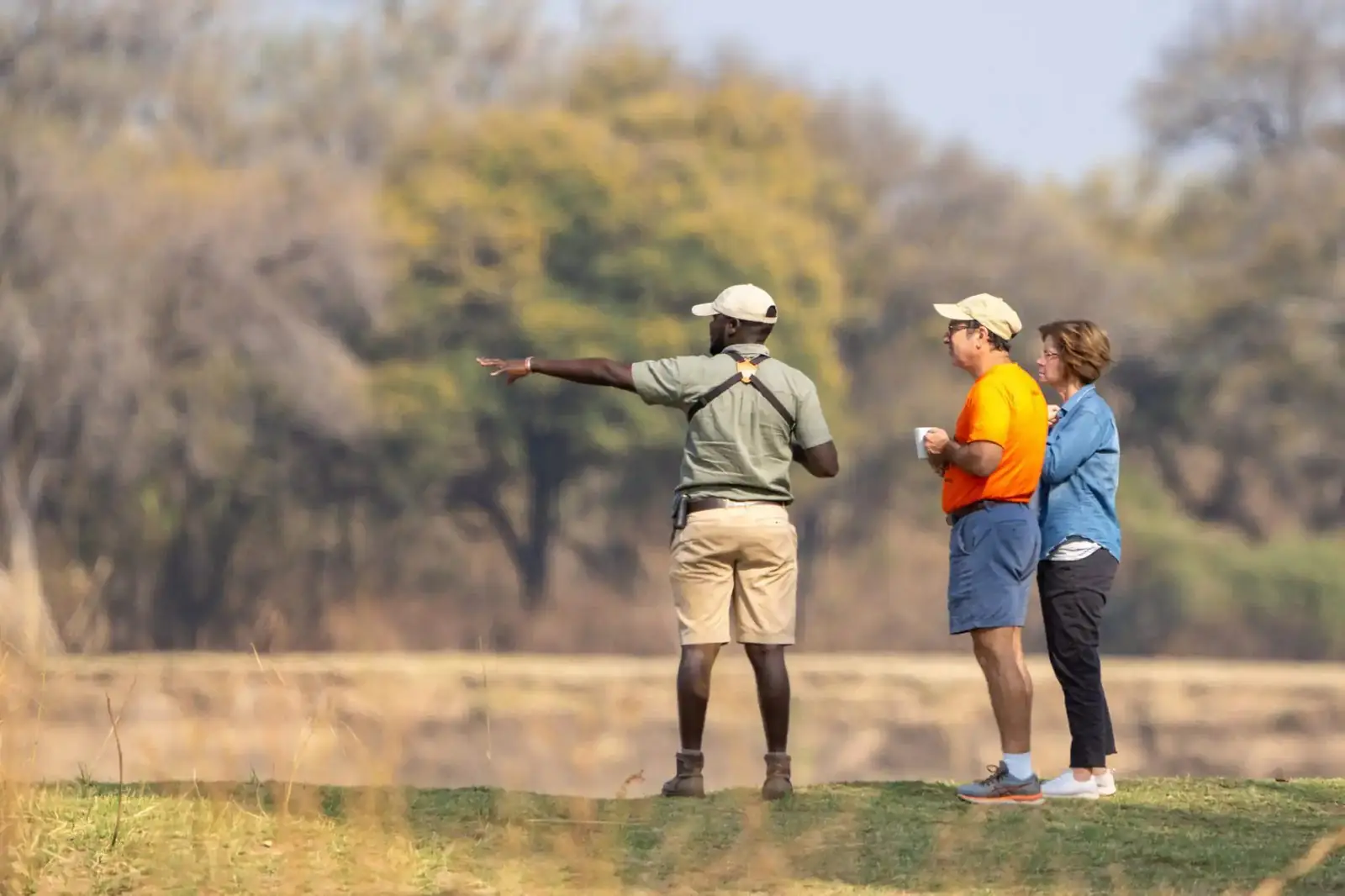
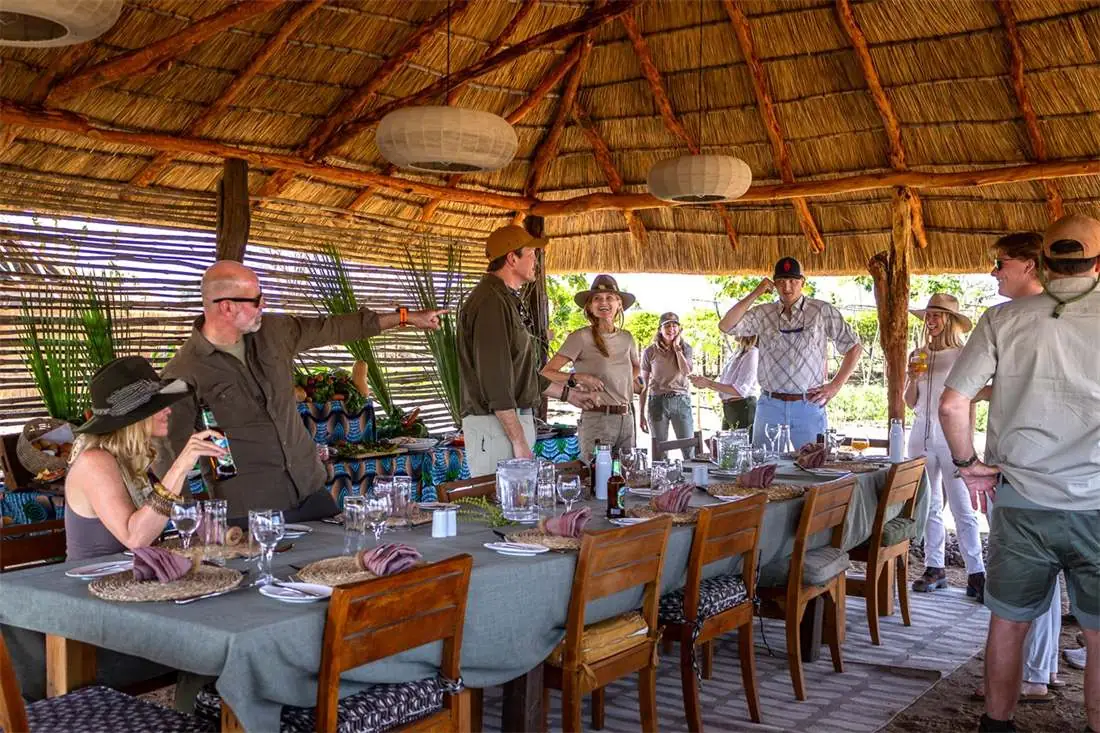
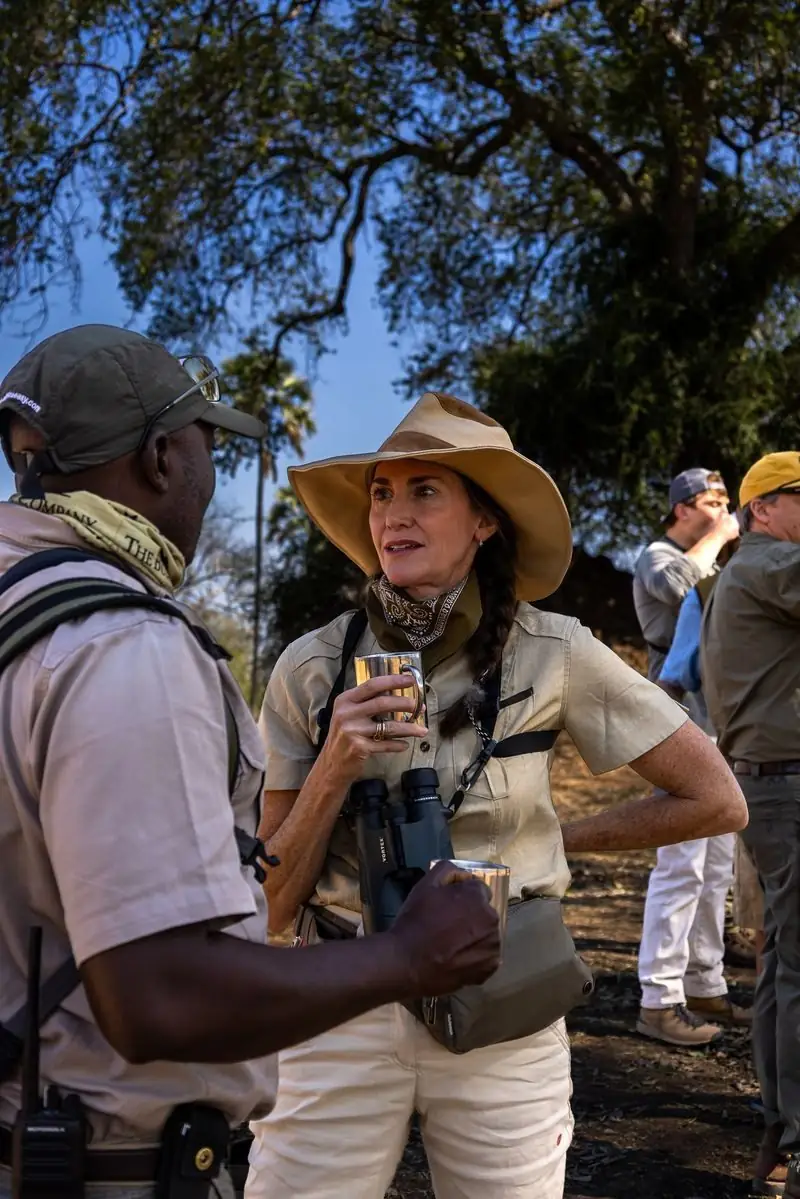
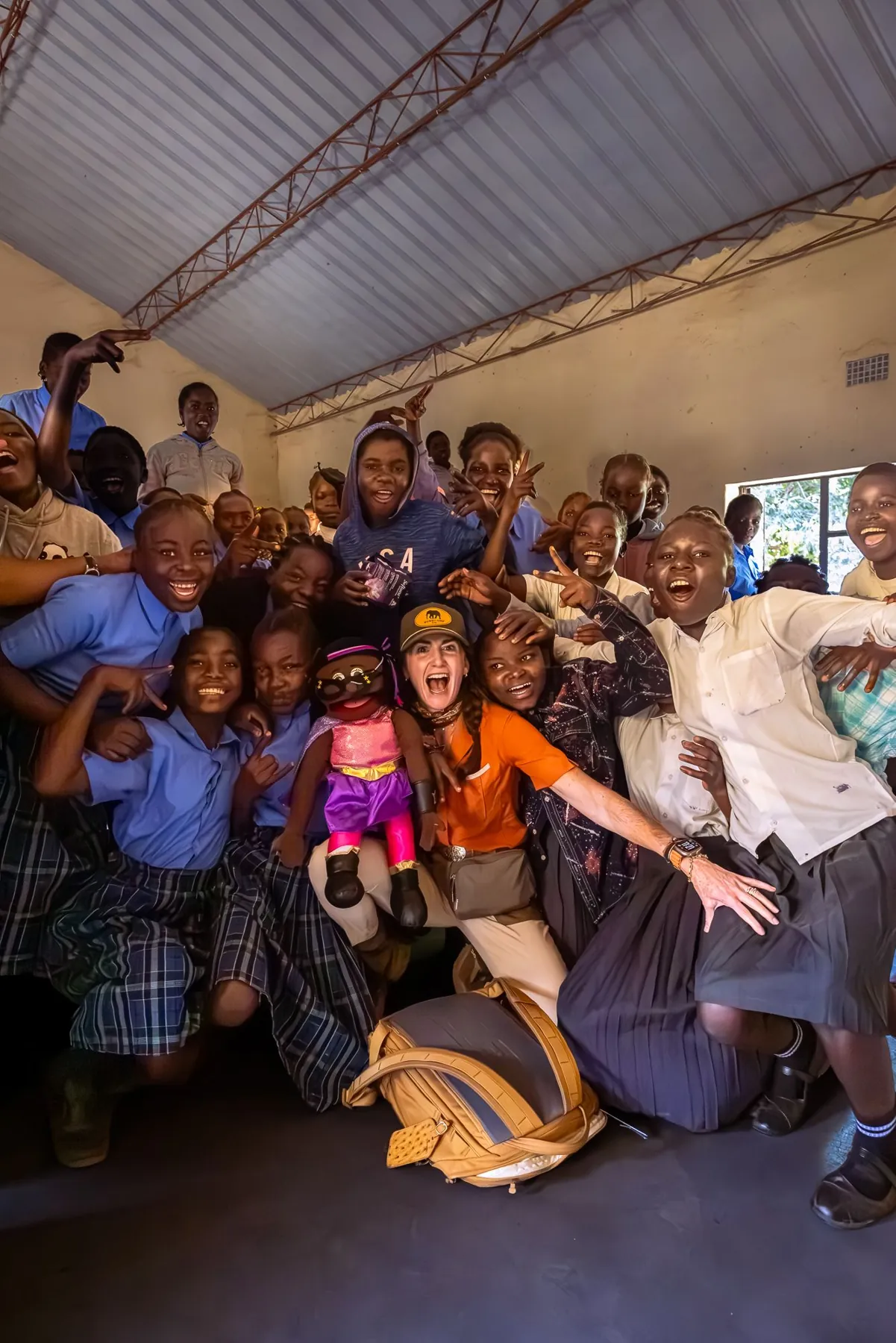
To every member of our team: thank you. You are the reason guests come back.Corby & Brooke
Same ground. Same conviction. Sixty years on.
Norman Carr understood that a safari was never only about the guest. It was a conservation strategy: wildlife survives when the people who live beside it benefit from it, and the best way to make that happen is to bring people who care into direct contact with wild places.
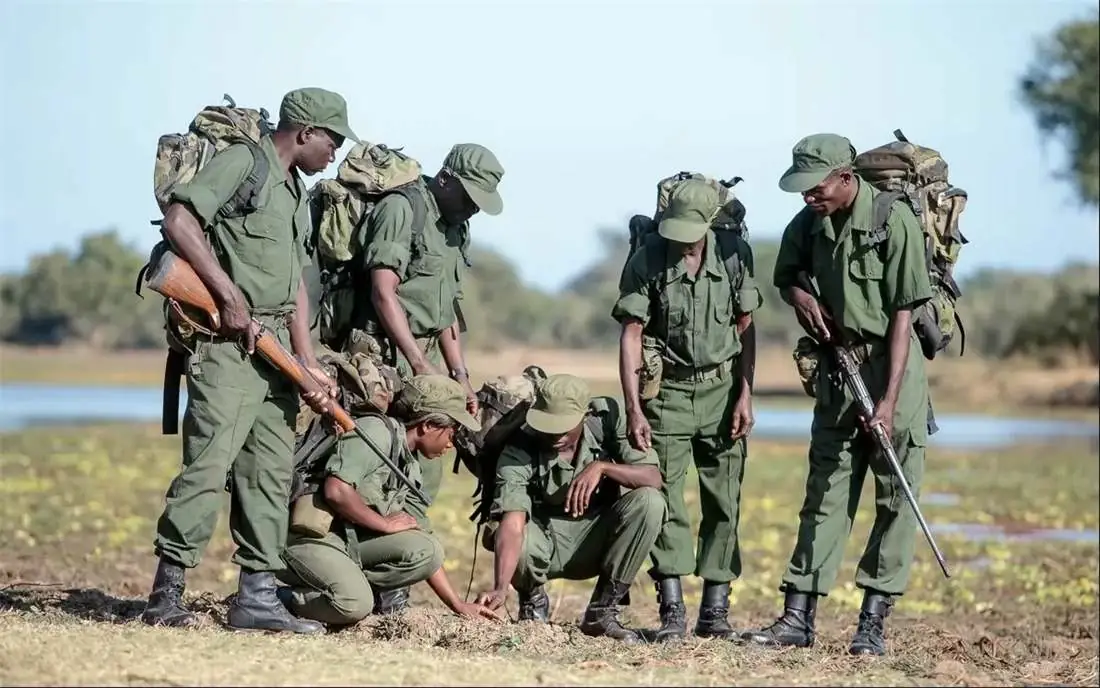
That is still the idea. Every stay supports the park and the communities around it, and Corby and Brooke co-founded the Zambia Wildlife & Community Foundation to add to that work: support for wildlife officers and community scouts on patrol, clean water, schools, and roads, in and well beyond the Mfuwe area.
One valley. Ten camps. Both ends of the first trail.
Most safaris stitch together lodges run by different companies, with no tie to the history of the place.
This is different. Ten camps run along one continuous circuit through the heart of South Luangwa, sixty miles camp to camp, on the ground where the walking safari began. Both ends of Norman Carr’s original circuit are part of it. You will not find that in the Serengeti, the Okavango or the Mara.