
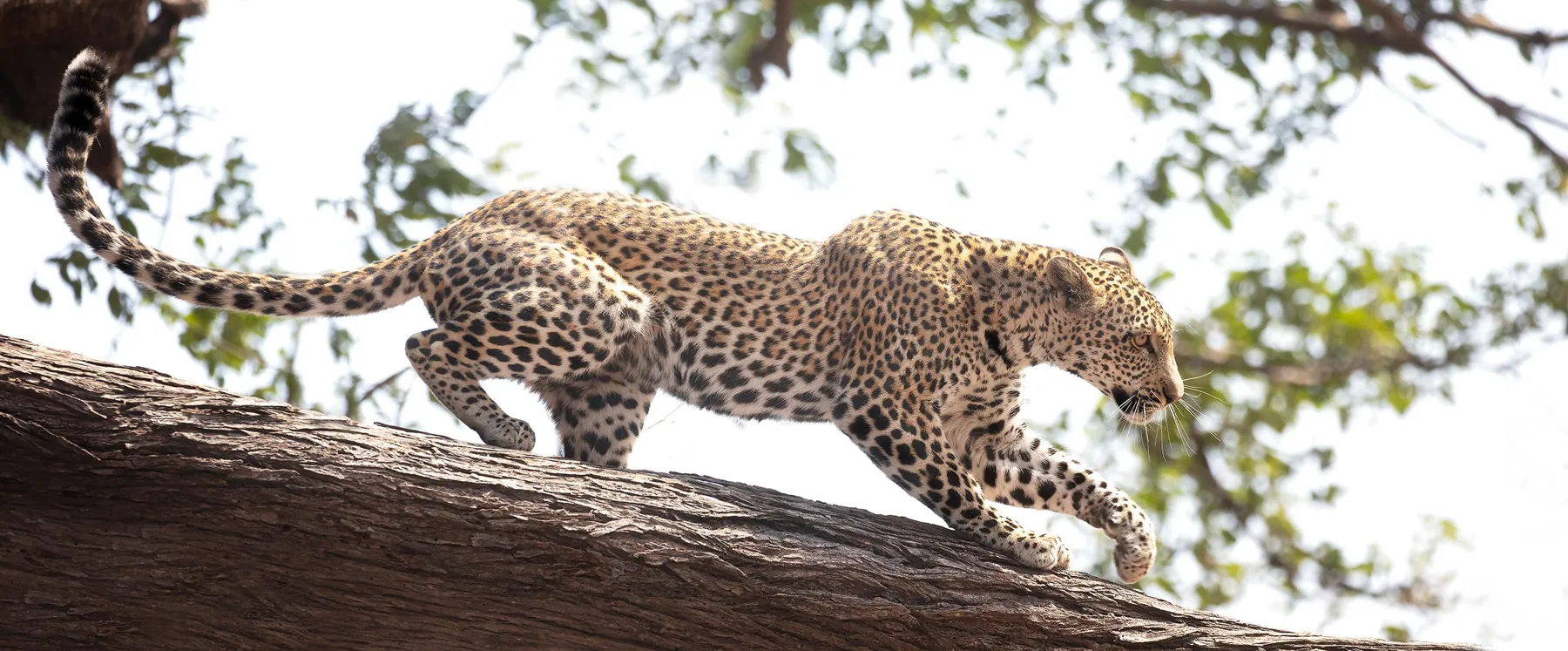
Leopard
South Luangwa is known as the Valley of the Leopard. They are seen by day in the trees and riverine thicket, and most often on night drives, when they hunt.
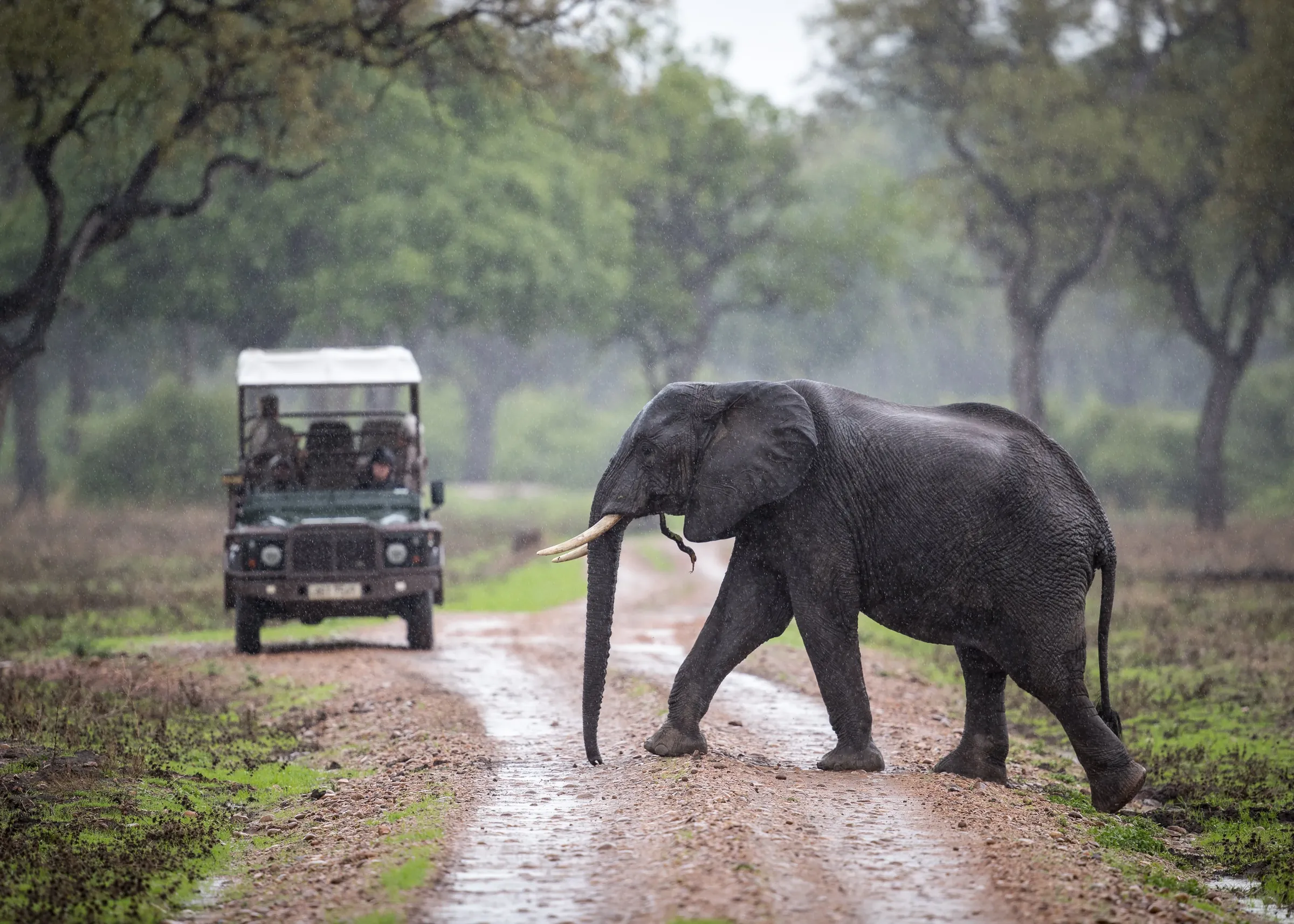
One river, one unfenced valley, and some of the densest wildlife in Africa. What you can expect to see, and the best way to see it.
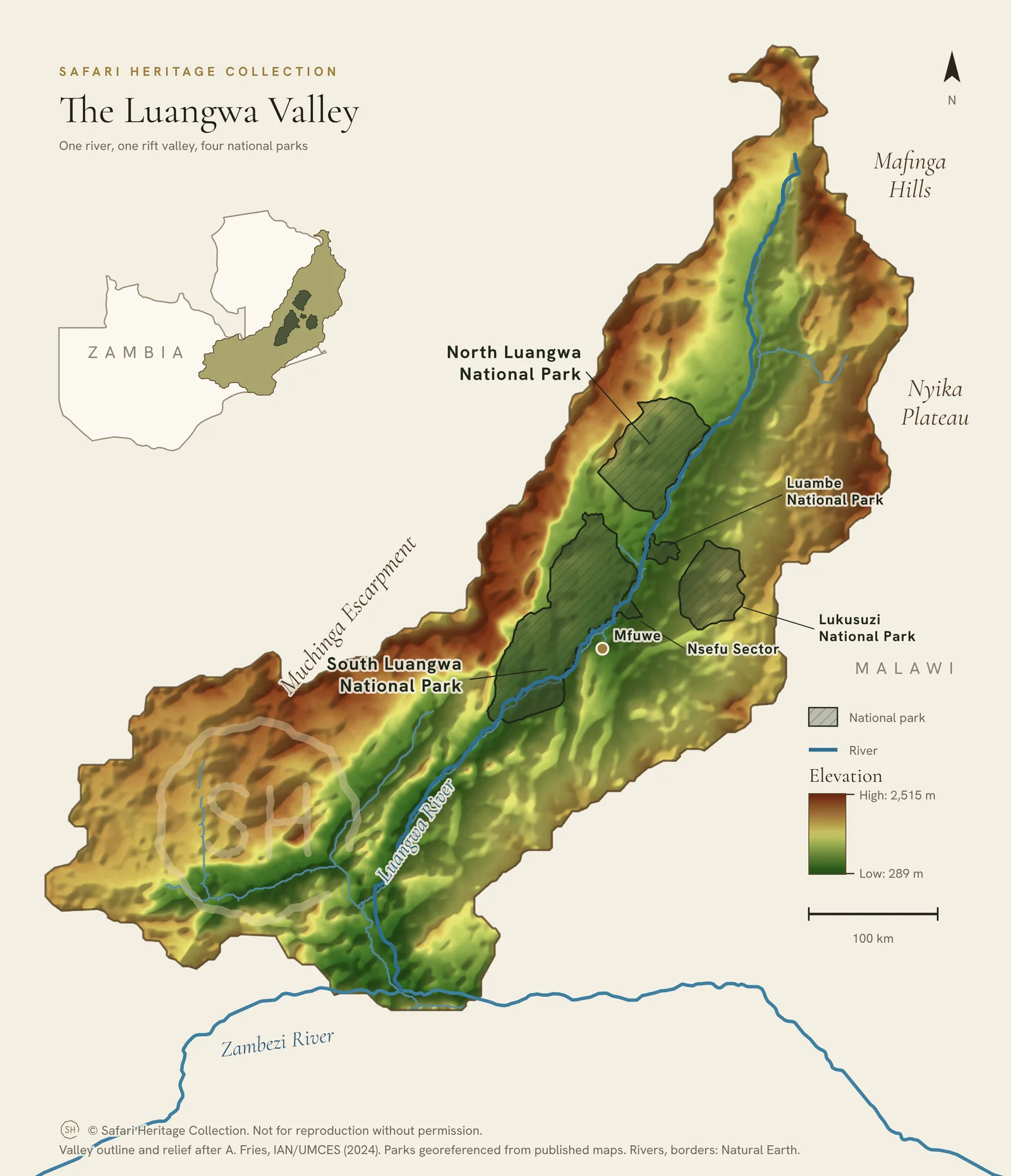
The Luangwa is one of the last big unaltered rivers in Africa. Each wet season it floods, shifts its course and leaves behind oxbow lagoons, sandbanks and floodplain grass. In the dry months the water shrinks back and the animals come to it. That is why South Luangwa is so dense with wildlife, and why every camp in the Collection is built on water. How the valley and its animals came to be →
Shot on phones by guests and guides on drives and walks across the Collection. No crews, no staging.
Everything below is seen across the Collection’s camps through the season. Nothing is guaranteed in the wild, which is exactly the point, but South Luangwa rarely disappoints.
South Luangwa is known as the Valley of the Leopard. They are seen by day in the trees and riverine thicket, and most often on night drives, when they hunt.
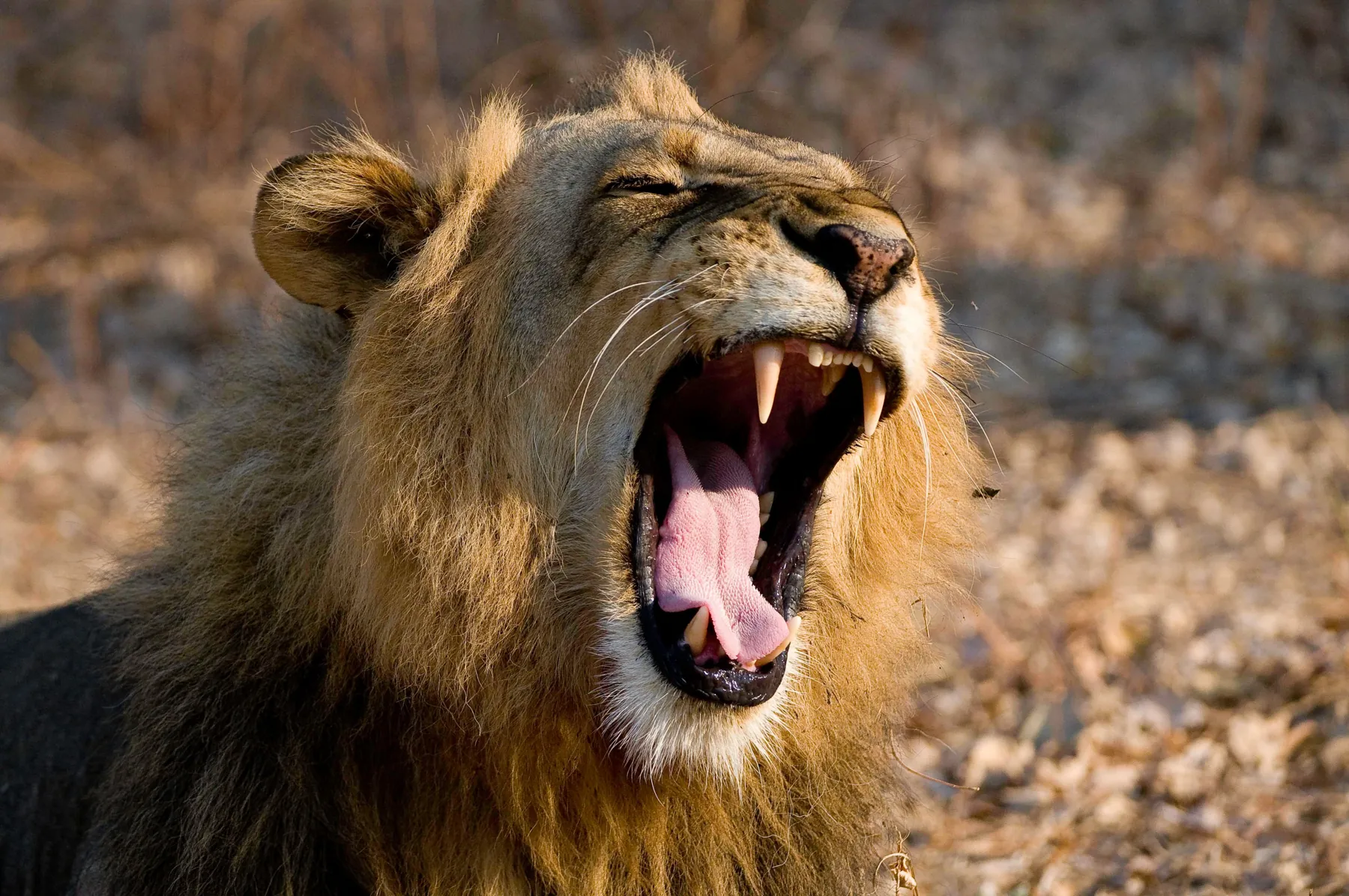
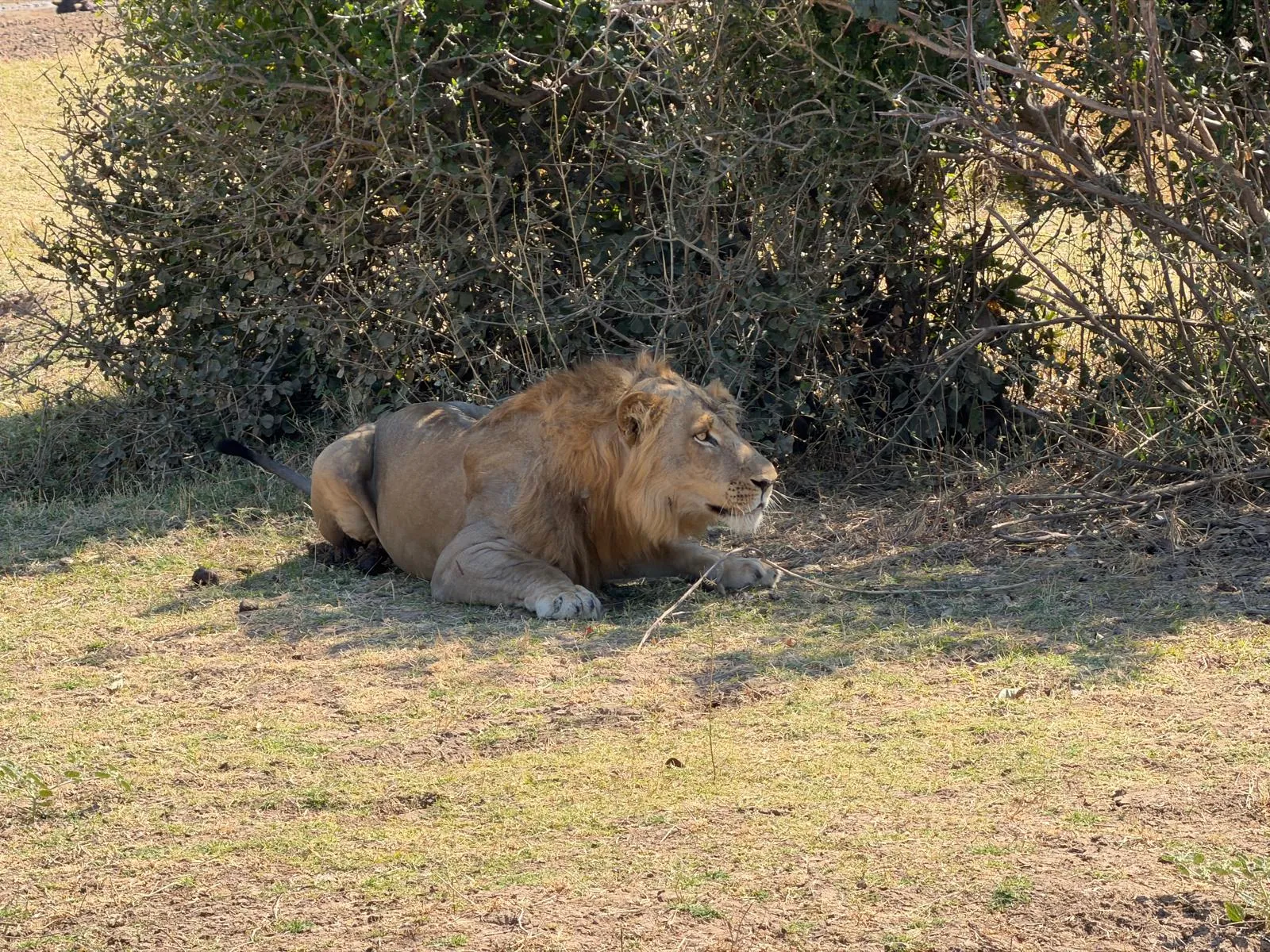
Large prides work the floodplains and lagoons, and males like this old warrior hold their ground through the dry season. Kills along the river are a regular sight.
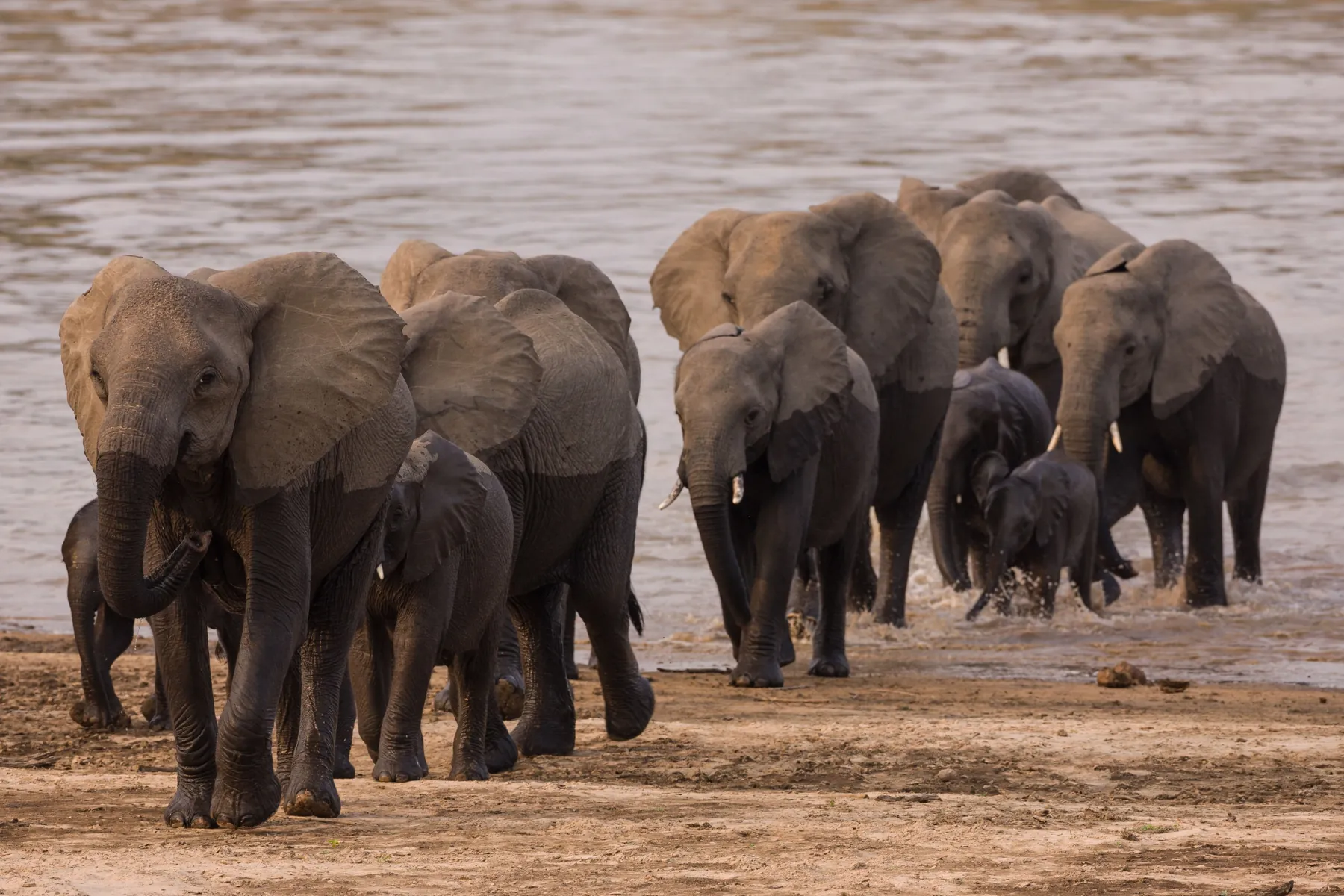
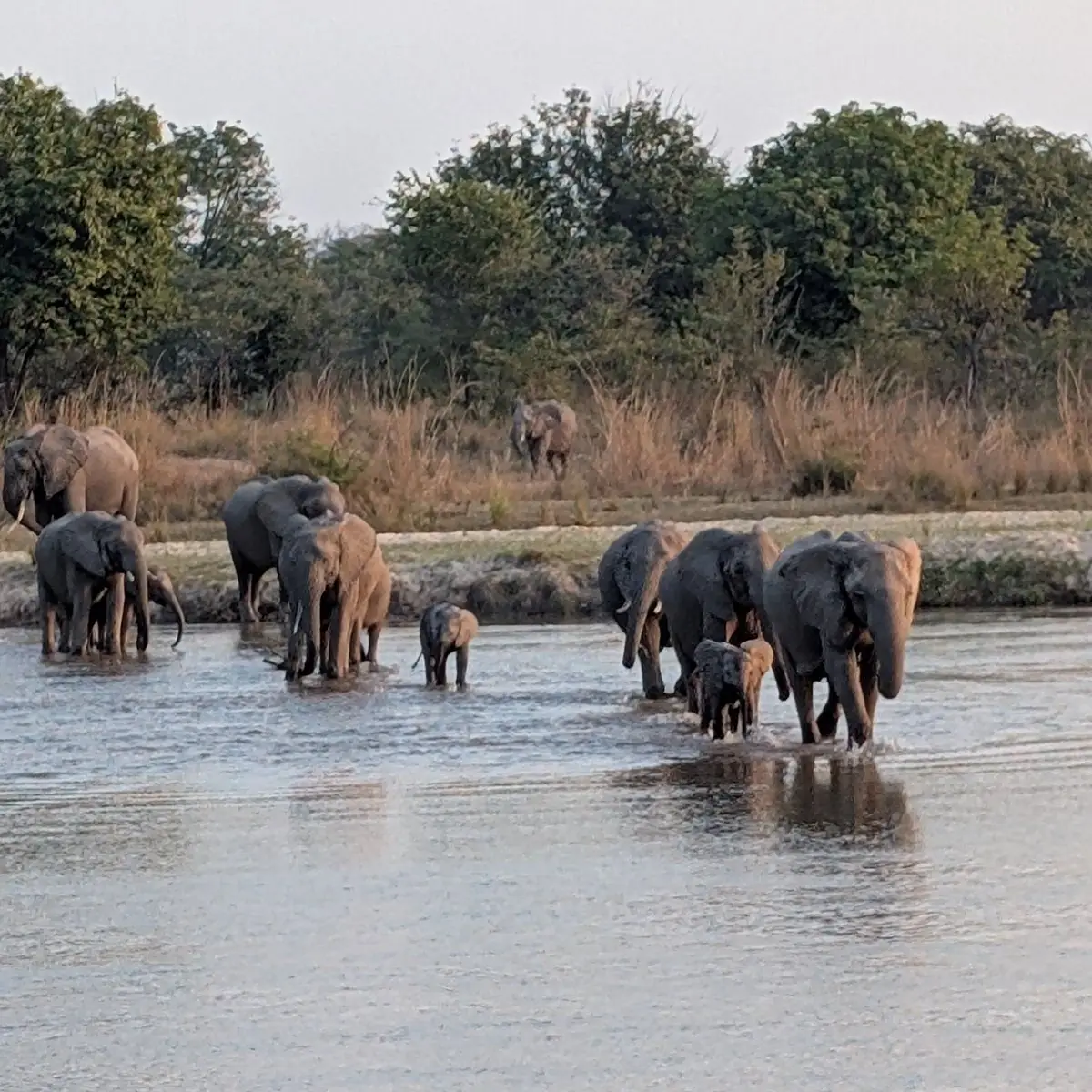
Herds cross the river, browse the banks and walk straight through camp. The valley’s elephants have recovered strongly since the poaching years.
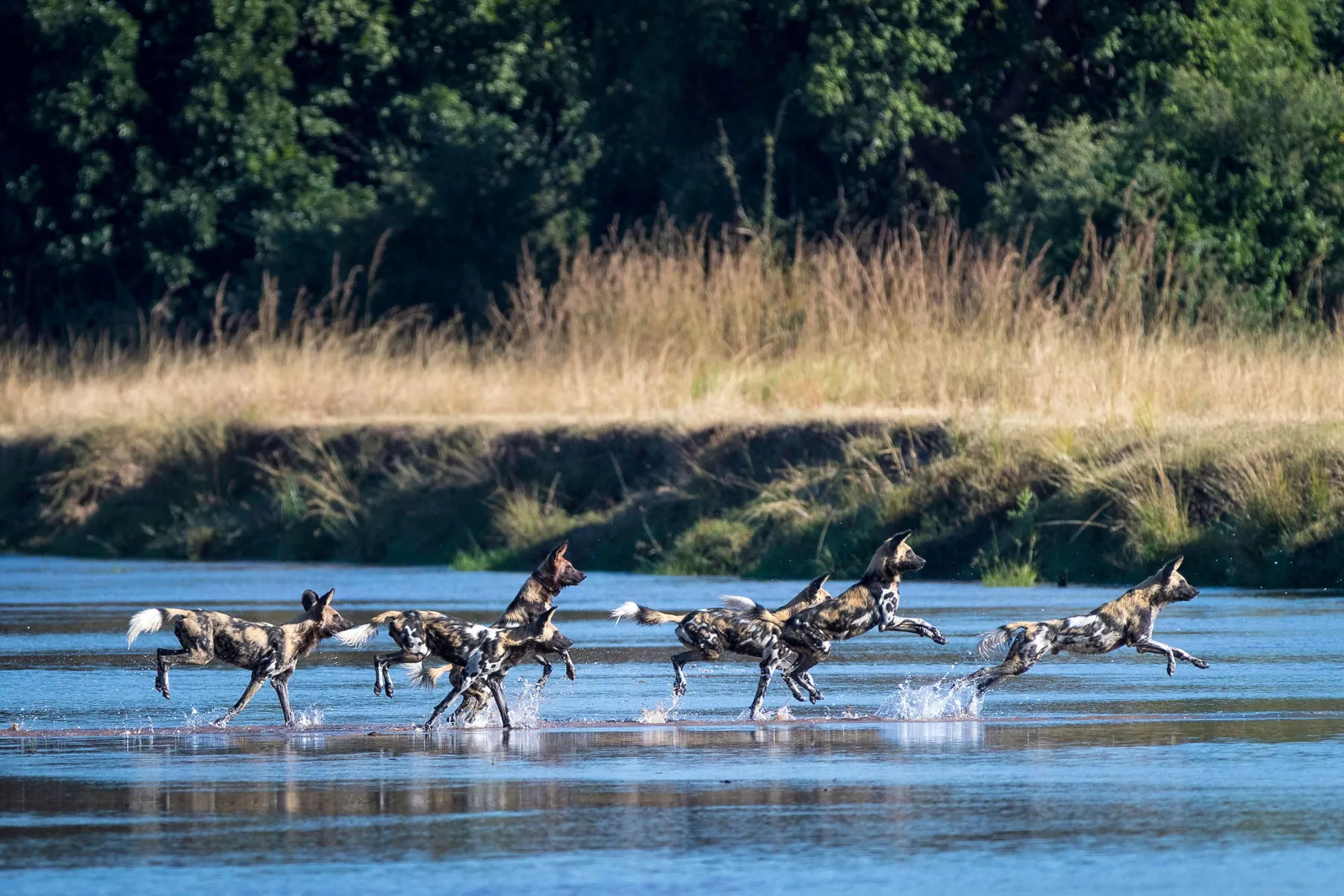
Africa’s painted dogs range across the valley and are studied by the Zambian Carnivore Programme. Seeing a pack on the move is a highlight of any trip.
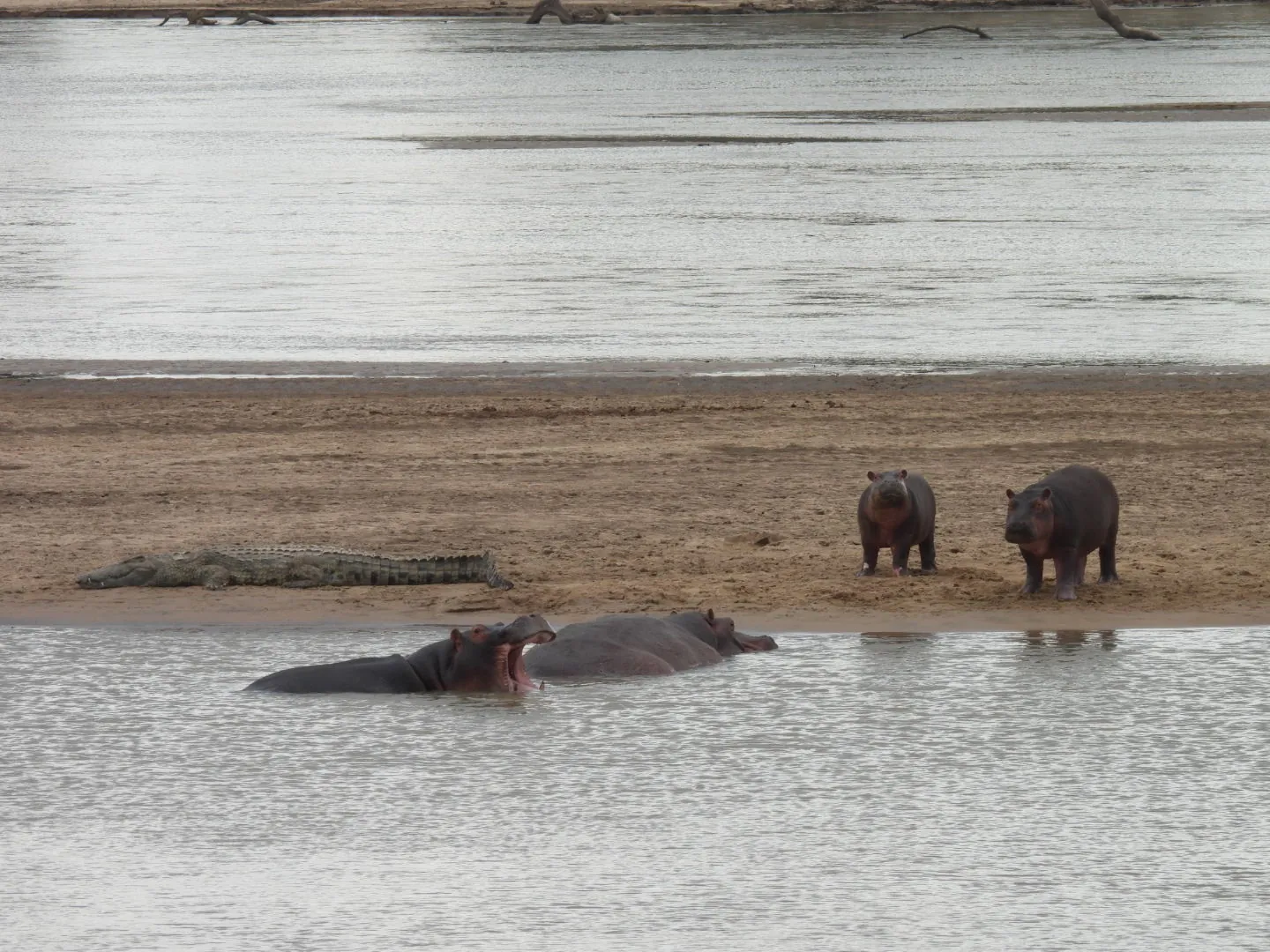
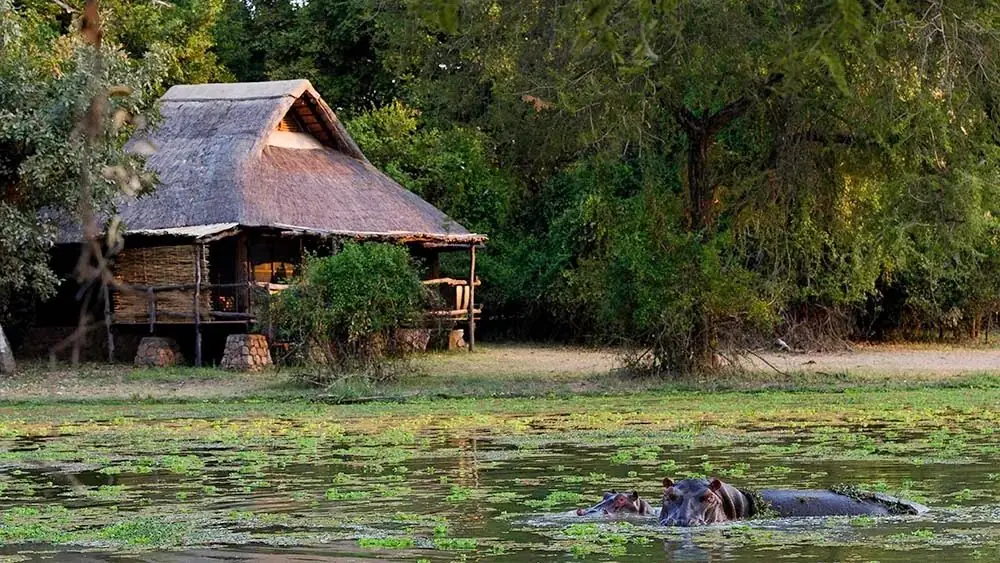
The Luangwa holds one of Africa’s largest hippo populations. In the dry season they crowd every pool, with big crocodiles alongside.
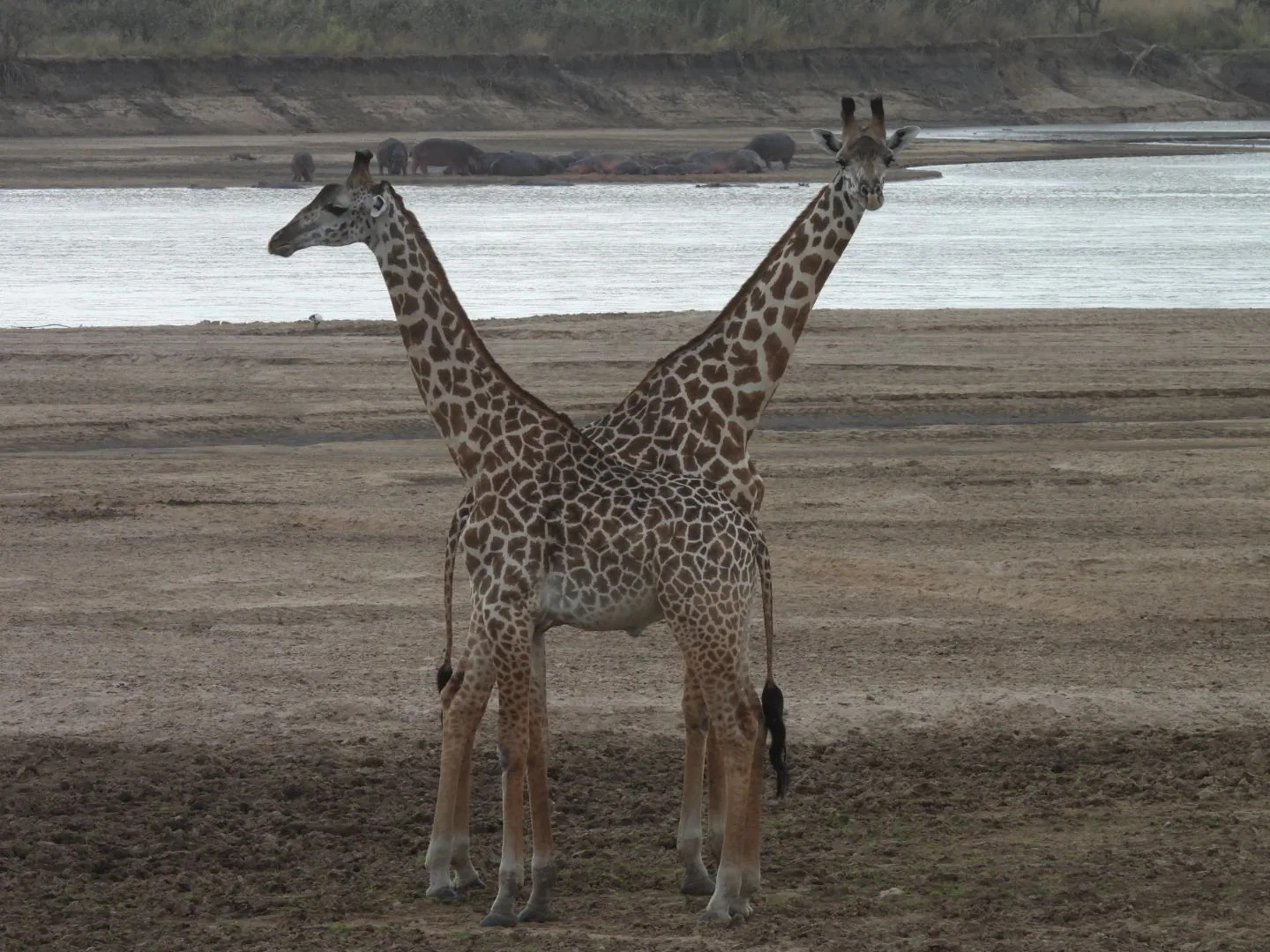
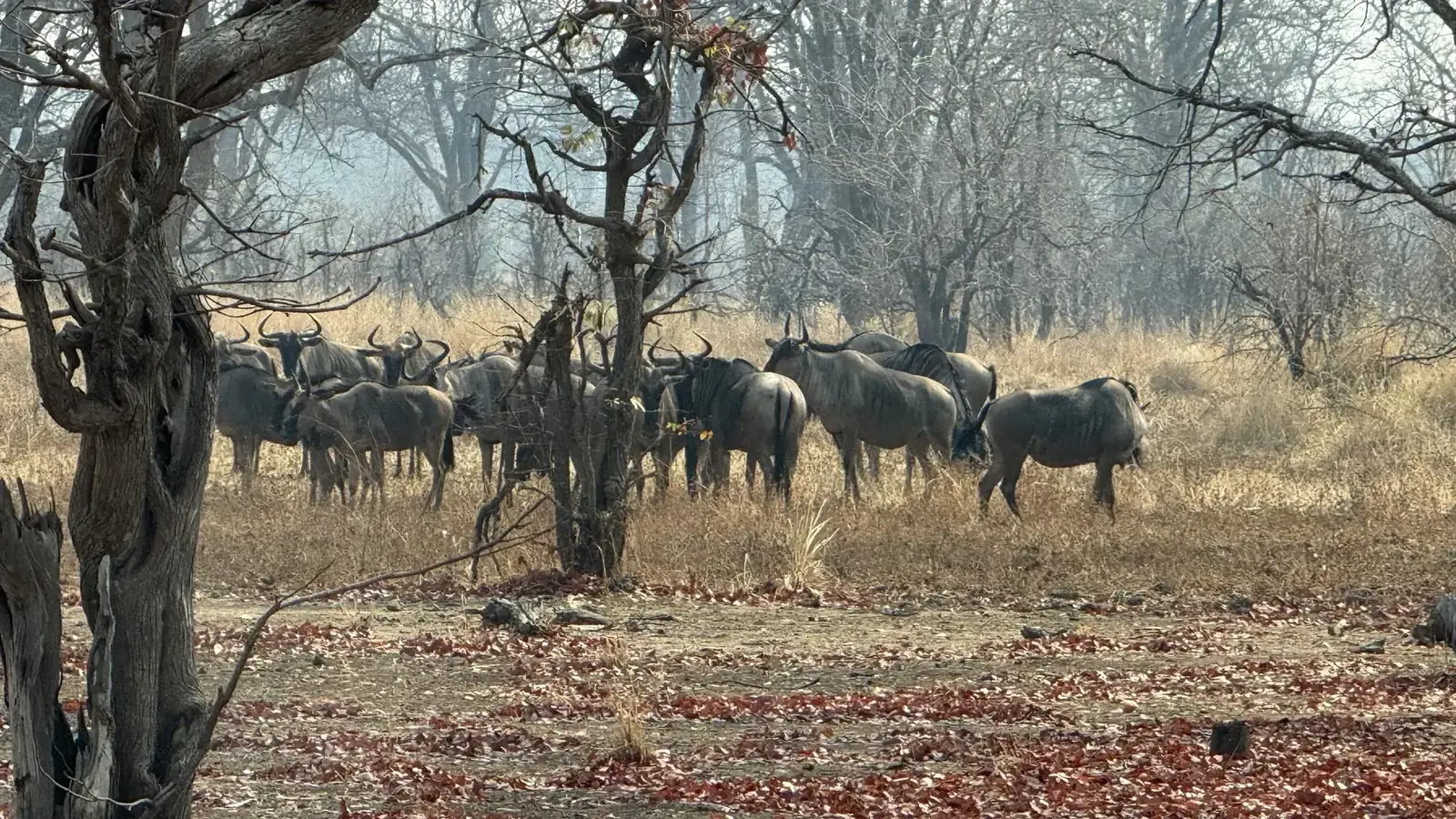
Thornicroft’s giraffe lives only in the Luangwa Valley. Cookson’s wildebeest is a valley specialty too, and Crawshay’s zebra is the local zebra.
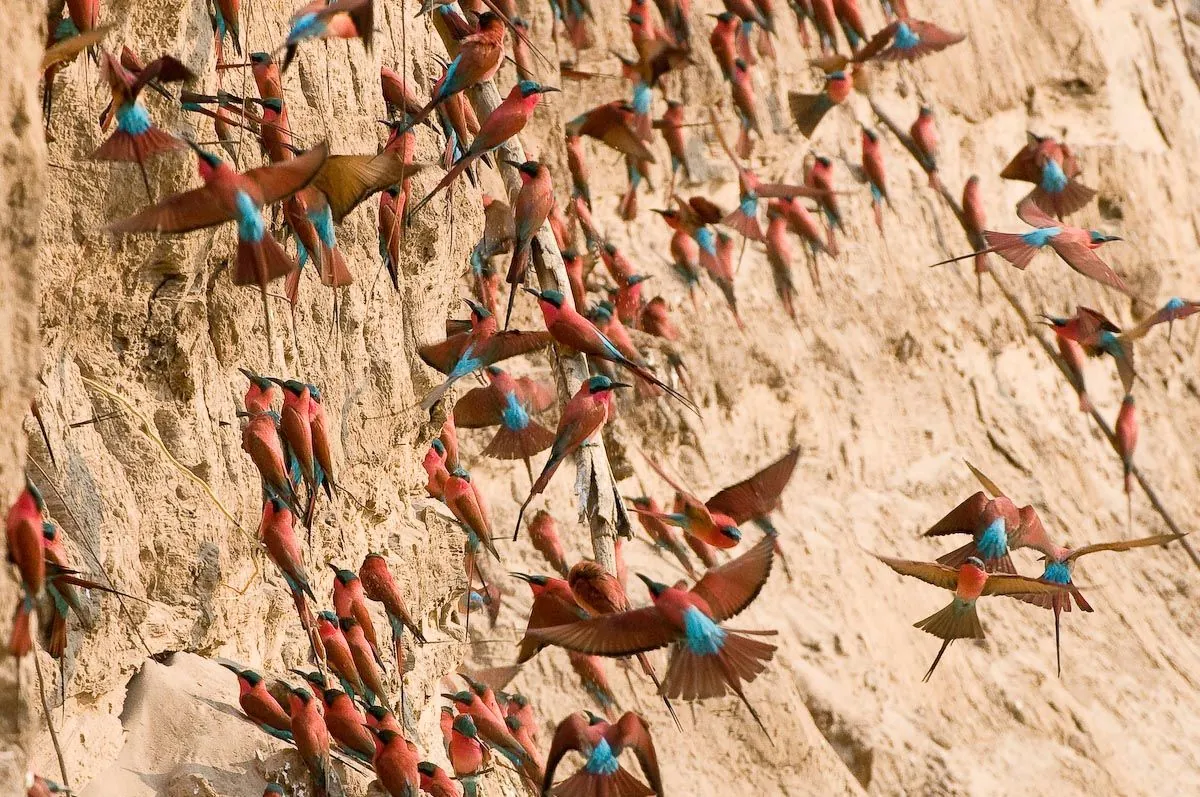
From African fish eagles and Lilian’s lovebirds to Pel’s fishing owl. In September and October, carmine bee-eaters nest by the thousand in the riverbanks.
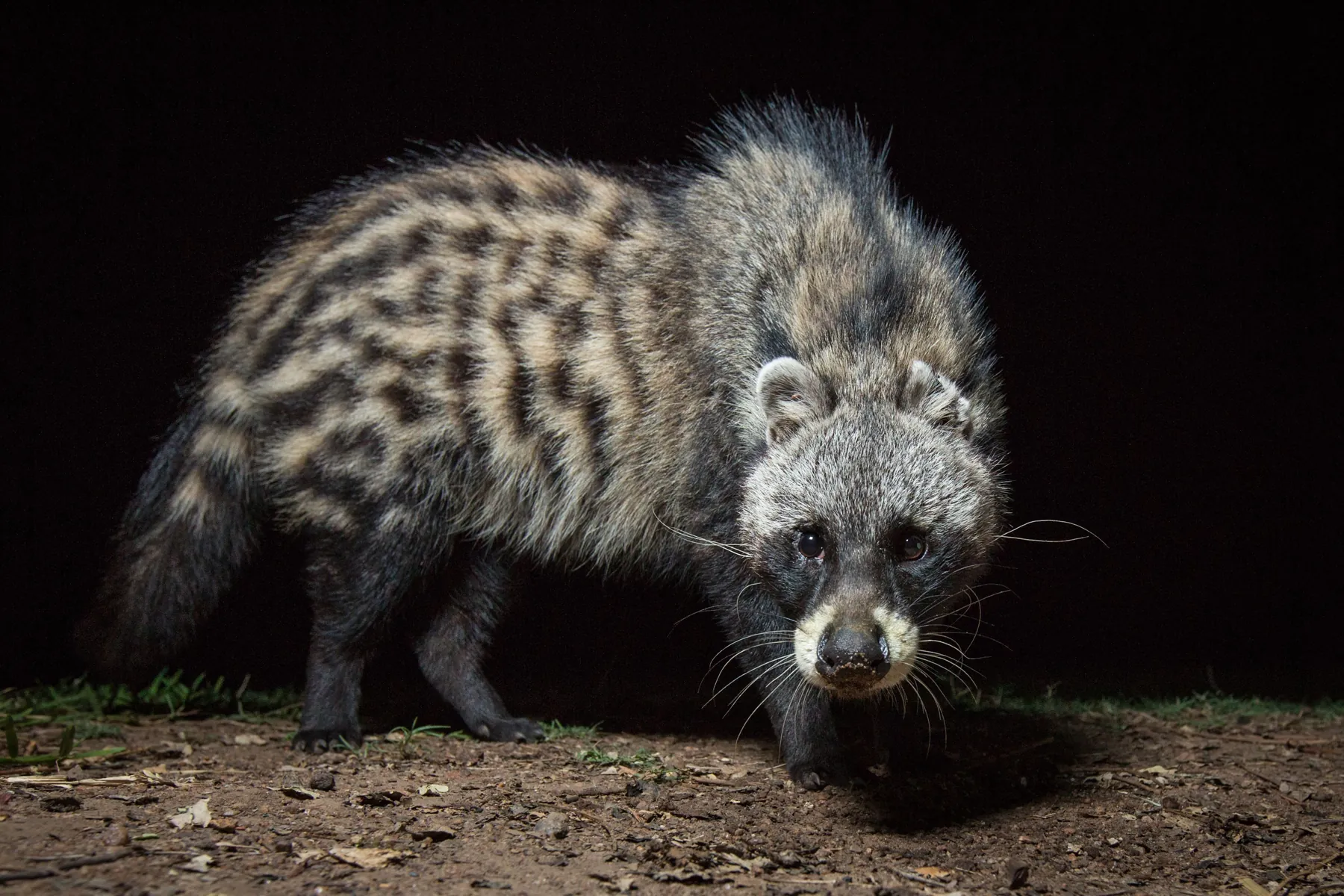
Night drives turn up the animals you never see by day: genets, civets, porcupines, hyenas, and leopards on the hunt.
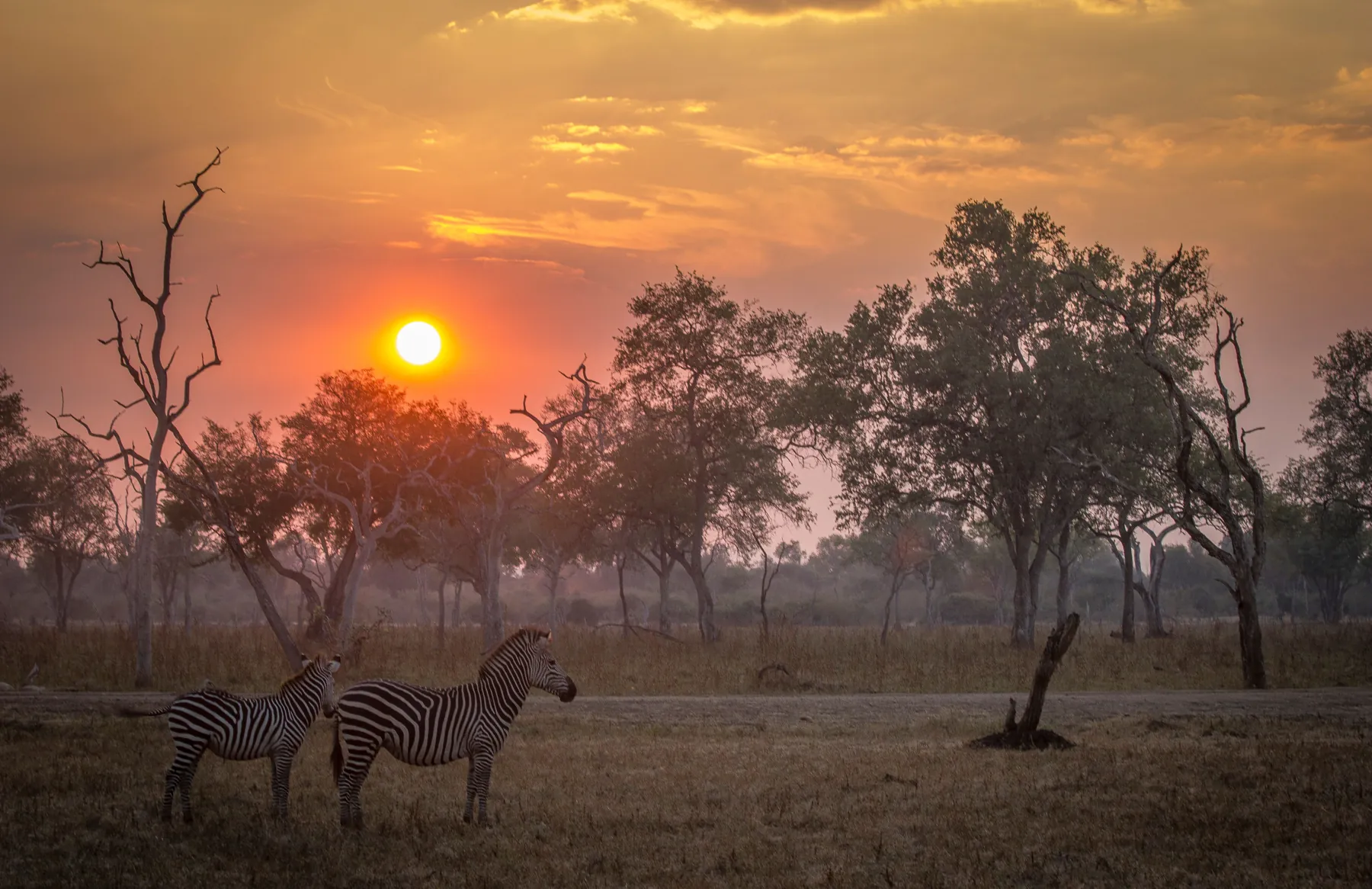
Big buffalo herds and Crawshay’s zebra move across the floodplains with the antelope, and keep the predators busy.
The Bushcamp Company’s guides record what they see across the camps every day, and the log is published for anyone to read. Nothing is ever guaranteed in South Luangwa. But day in, day out, the record shows a valley that delivers: leopard, lion, painted dog, elephant and the great herds, in some of the best game viewing in Africa.
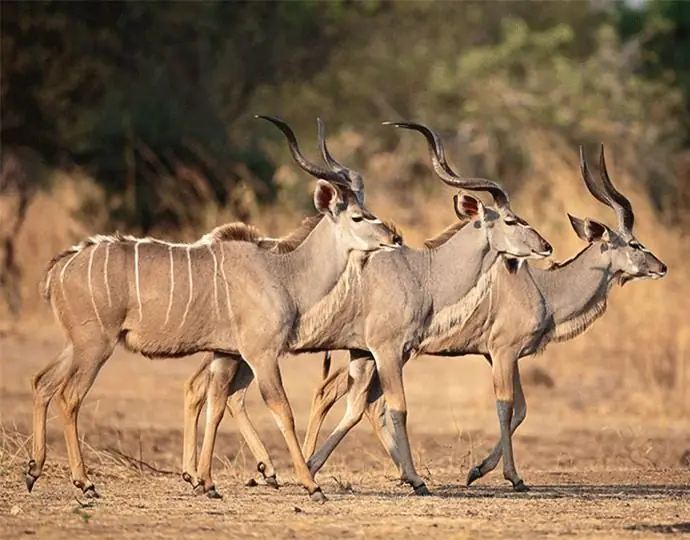
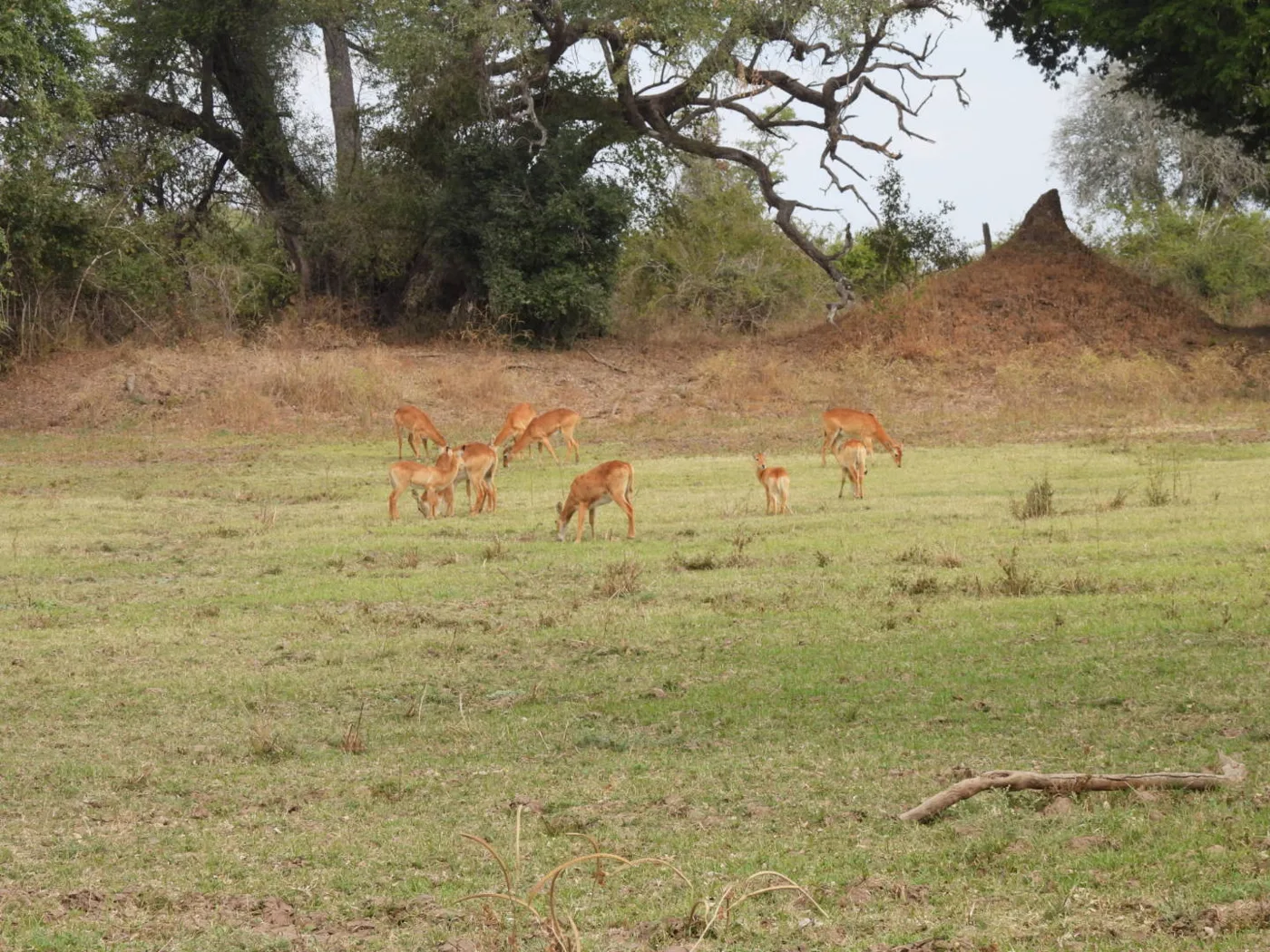
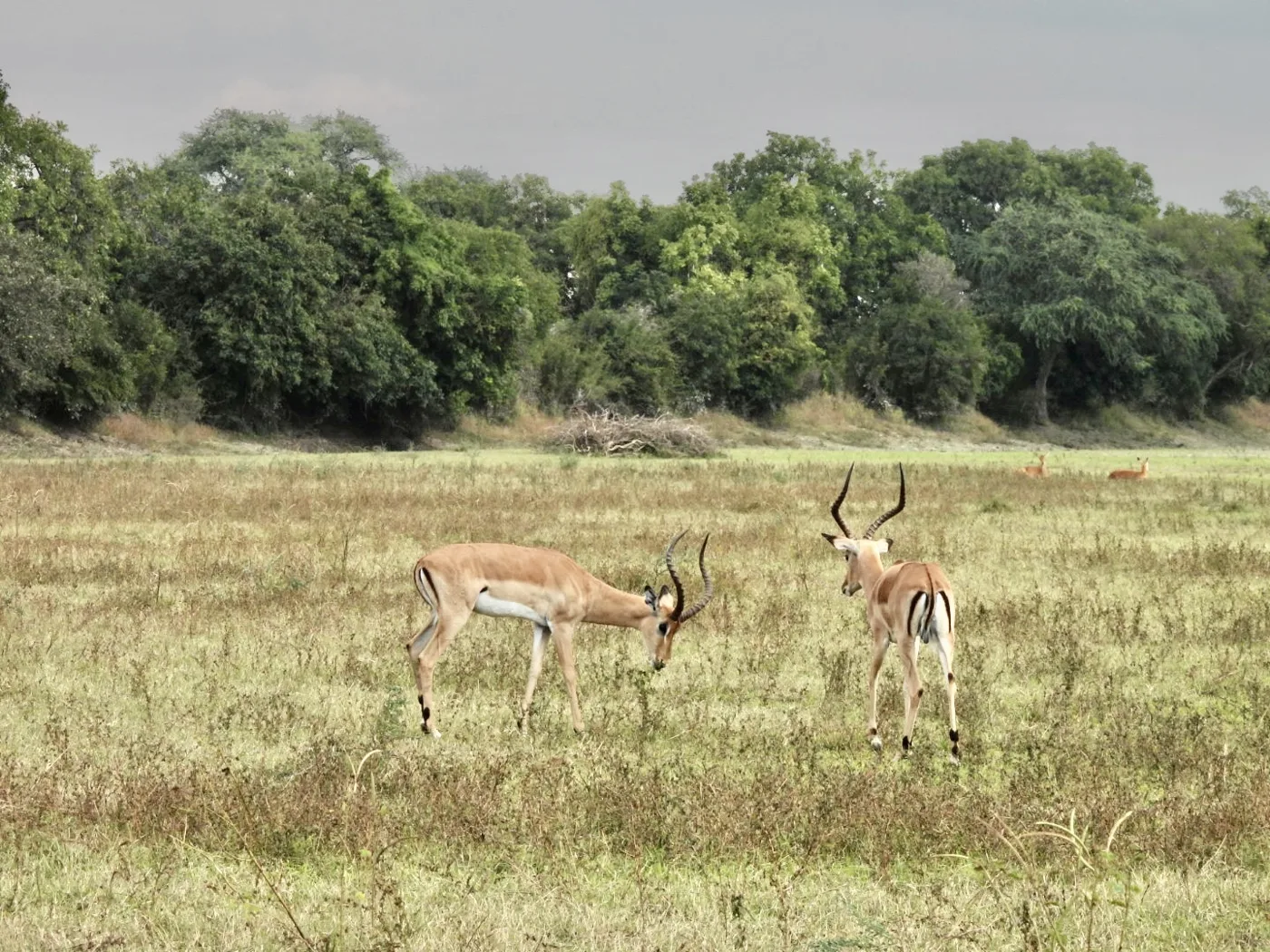
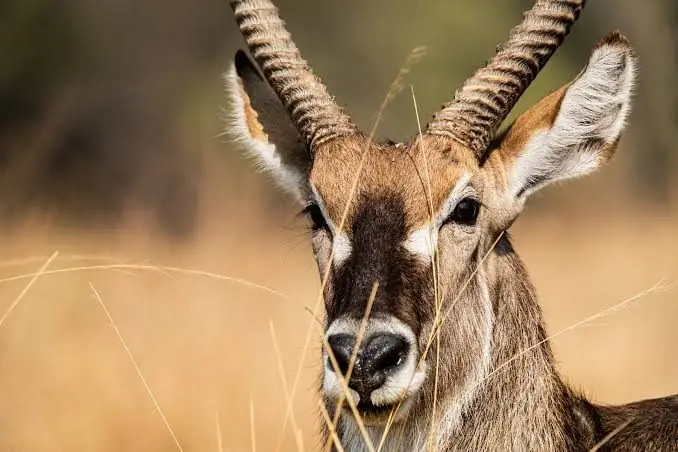
South Luangwa is home to around fourteen antelope species, from the puku that fill every floodplain to the tiny grysbok you will only meet after dark. They are the reason the predators are here, and every walk and drive is full of them.
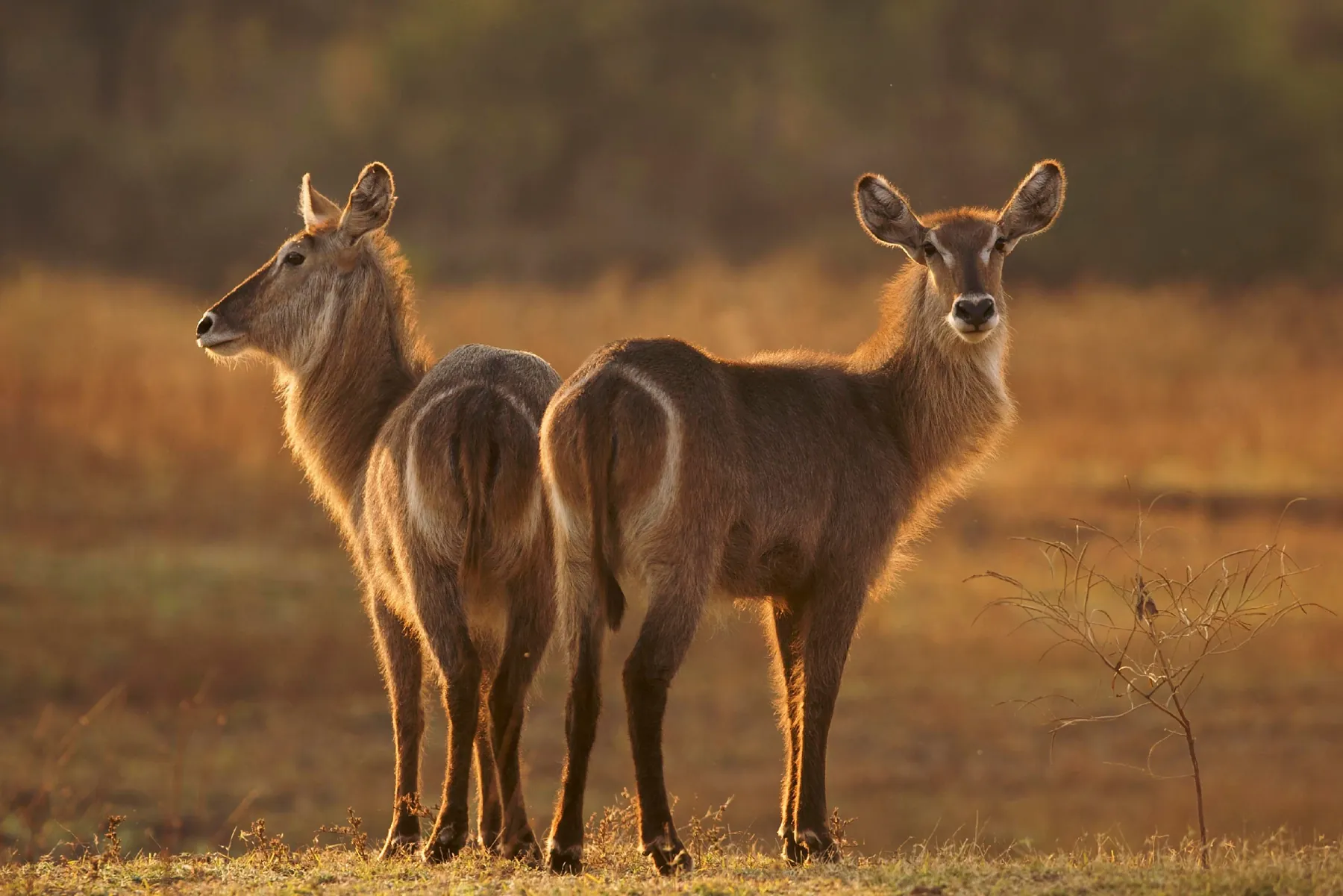
The valley’s signature antelope: golden, stocky, on every floodplain.
Herds everywhere, and a favorite of leopard and painted dog.
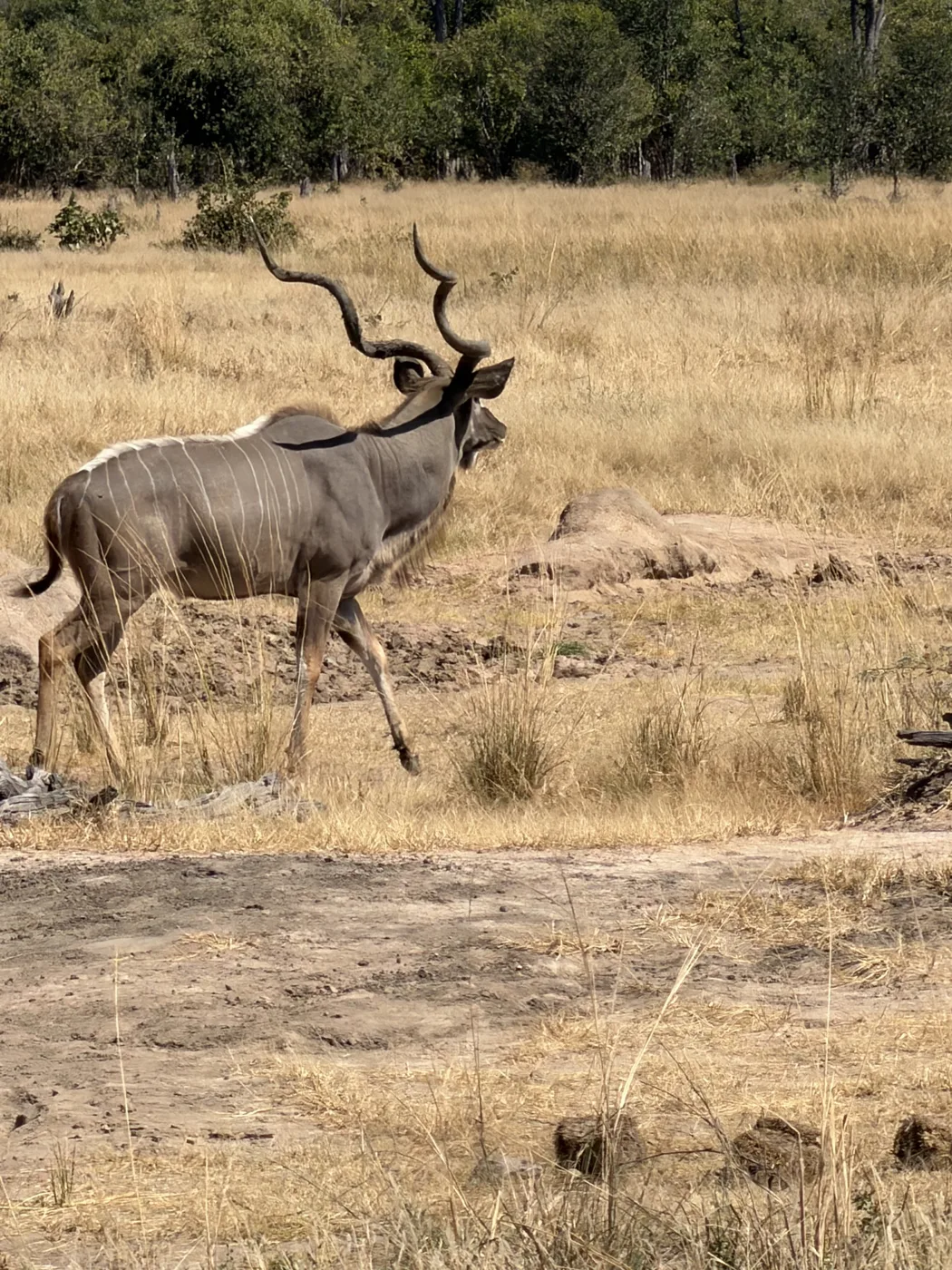
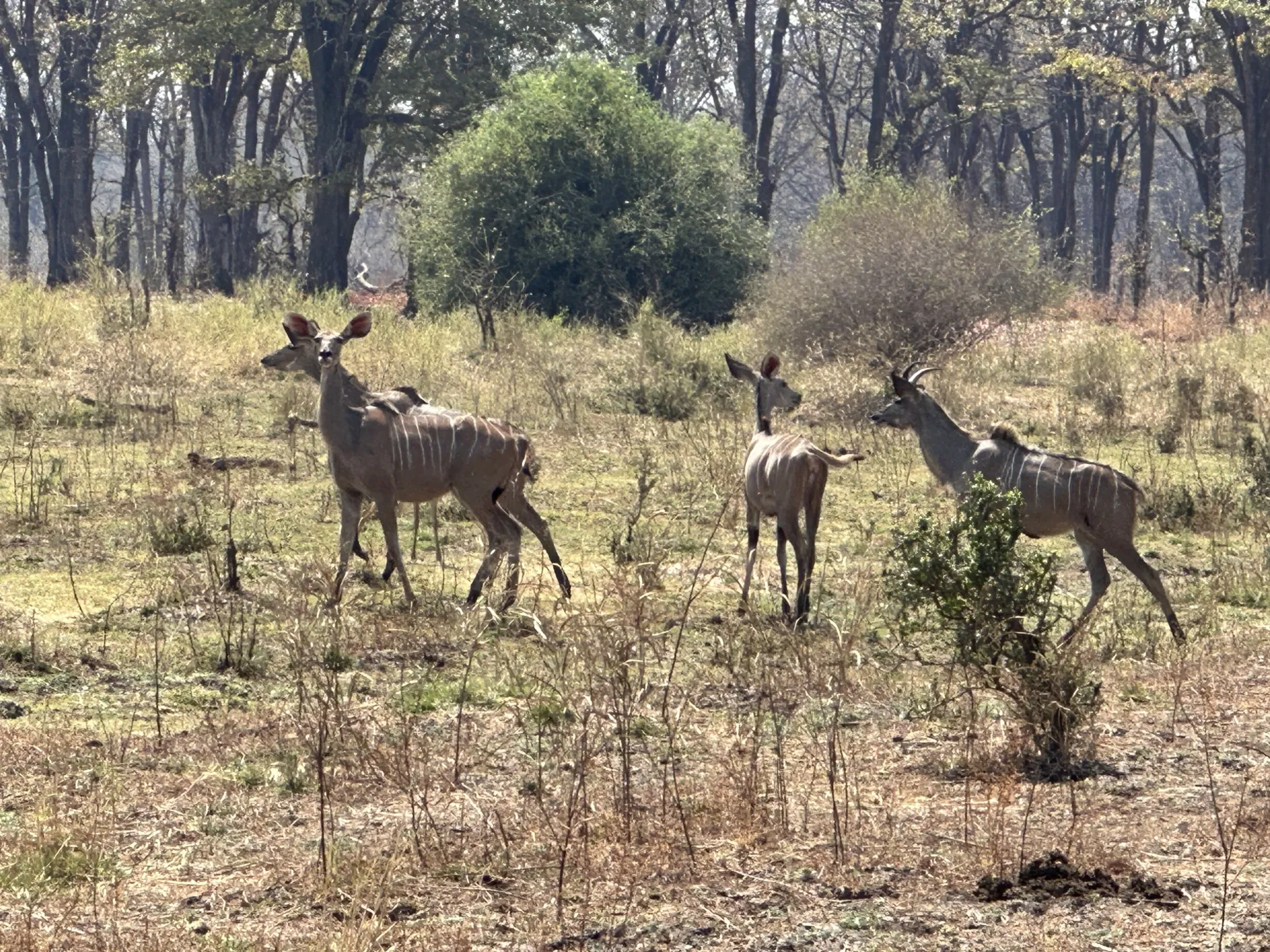
Spiral-horned bulls and striped cows in the woodland.
Shaggy and solid, never far from the river.
Shy and spotted, in thicket along the banks.
Africa’s largest antelope, often in wandering herds.
A Luangwa specialty, found nowhere else. Regular at Lion Camp, and at Chibembe late in the dry season; seldom seen in the south.
Small and solitary, in the woodland.
Big and horse-like, in the drier woodland.
Sweeping horns, a rare sighting.
Long-faced and russet, on the open plains.
Tiny and nocturnal; a night-drive find.
In long grass near water.
On the rocky ground of the escarpment.
Scroll for more →
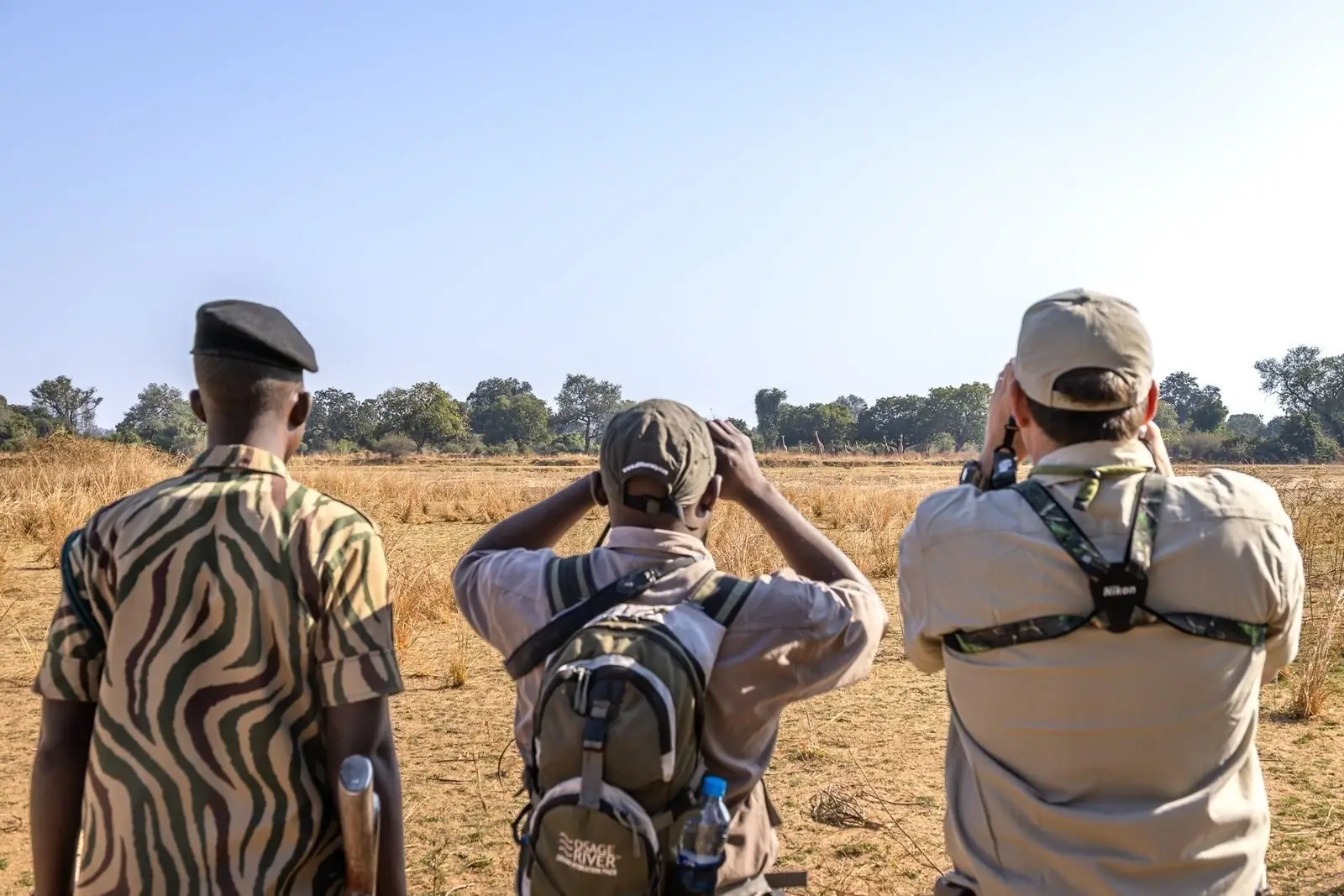
Walking is optional at every camp, and it changes how you see the valley. A guide reads the ground as you go: fresh lion tracks in the mud, a leopard’s drag mark, the dung beetles, the birds, the smell of elephant on the wind. You notice the small things, and the big ones feel very big indeed.
Walking safaris and experiences · Where the walking safari began
The dry season, roughly May to October, is peak game viewing: the bush thins, the animals gather at the river and, from June, all ten camps are open. The bee-eaters arrive in September. The green season brings newborn animals, migrant birds and lush landscapes at the gateway lodges, which are open all year.
When to go, month by month · See the wildlife gallery · The Bushcamp Company’s guide to South Luangwa wildlife · Daily sightings log · Choose your camps
 The Seasons
 May to August
The grass dies back, the bush opens up and game begins to gather near the river and lagoons. Days are warm and dry; early mornings and nights can be cold, so pack a warm layer. The first bushcamps open in April and the rest by early June, and this is a lovely, cooler time to walk.
 September to October
The peak of the season. Water is scarce, so wildlife concentrates along the Luangwa and its lagoons, and sightings are at their best (the daily sightings log shows it). For a fuller month-by-month picture, see The Bushcamp Company’s month-by-month guide. Afternoons are hot, often above 100°F (38°C), which is why walks start at first light. These are the busiest months; book early.
 December to April
The rains arrive, the valley turns emerald and the migrant birds return. Many roads become impassable, so the bushcamps close on November 1, while Mfuwe Lodge and The Villas at KuKaya stay open all year. From late October to mid-December, elephant families walk through Mfuwe Lodge’s reception to reach the ripe wild mangoes.
Swipe to see all months →
| Jan | Feb | Mar | Apr | May | Jun | Jul | Aug | Sep | Oct | Nov | Dec | |
|---|---|---|---|---|---|---|---|---|---|---|---|---|
| Mfuwe LodgeAll year | ||||||||||||
| The Villas at KuKayaAll year | ||||||||||||
| Six bushcampsOpening April to June, to Nov 1 | ||||||||||||
| Lion CampLate May to October | ||||||||||||
| ChibembeJune to October |
Exact opening dates are set each year; check with the camp or your travel advisor. Walking runs throughout each camp’s season, and game drives run all year at Mfuwe Lodge and KuKaya.
For walking. June to October, when the grass is low and the ground is firm. Early-season walks are cooler; late-season walks bring more wildlife to the water.
For the whole circuit. June to October, when every camp, from Chibembe in the north to Zungulila in the south, is open.
For value and quiet. The first and last weeks of the season, or the green season at Mfuwe Lodge and KuKaya. Read The Emerald Season.
For the elephants of Mfuwe Lodge. Late October to mid-December.
For practical questions, see Plan your trip.