Most people planning a first safari start with the same questions: where to go, how long to stay, what it costs, and what a day is actually like. This is the short version, written for first-timers by the people who run camps in South Luangwa, Zambia. If you only read one thing before you call a travel advisor, read this.
Why South Luangwa
East Africa is famous for big open plains and the Great Migration, and it is wonderful. South Luangwa offers something different. It is a long, unfenced river valley in eastern Zambia, with some of the densest wildlife in Africa and very few vehicles. It is known above all for three things.
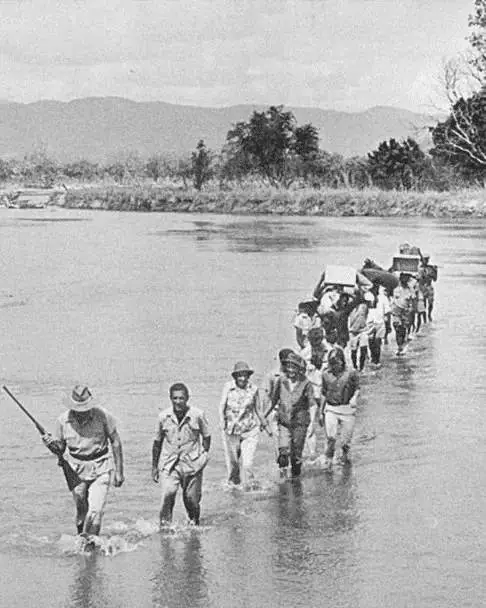
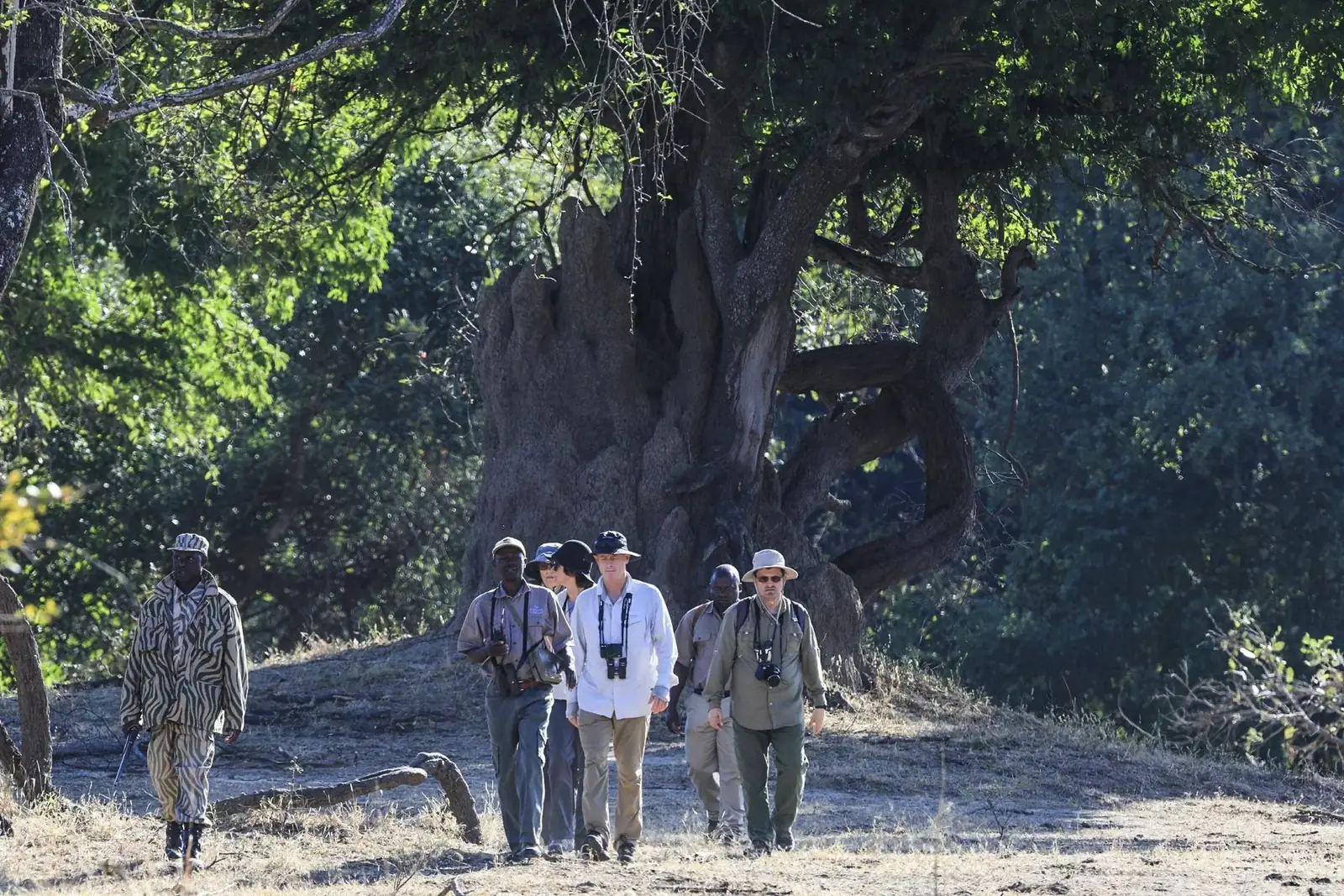
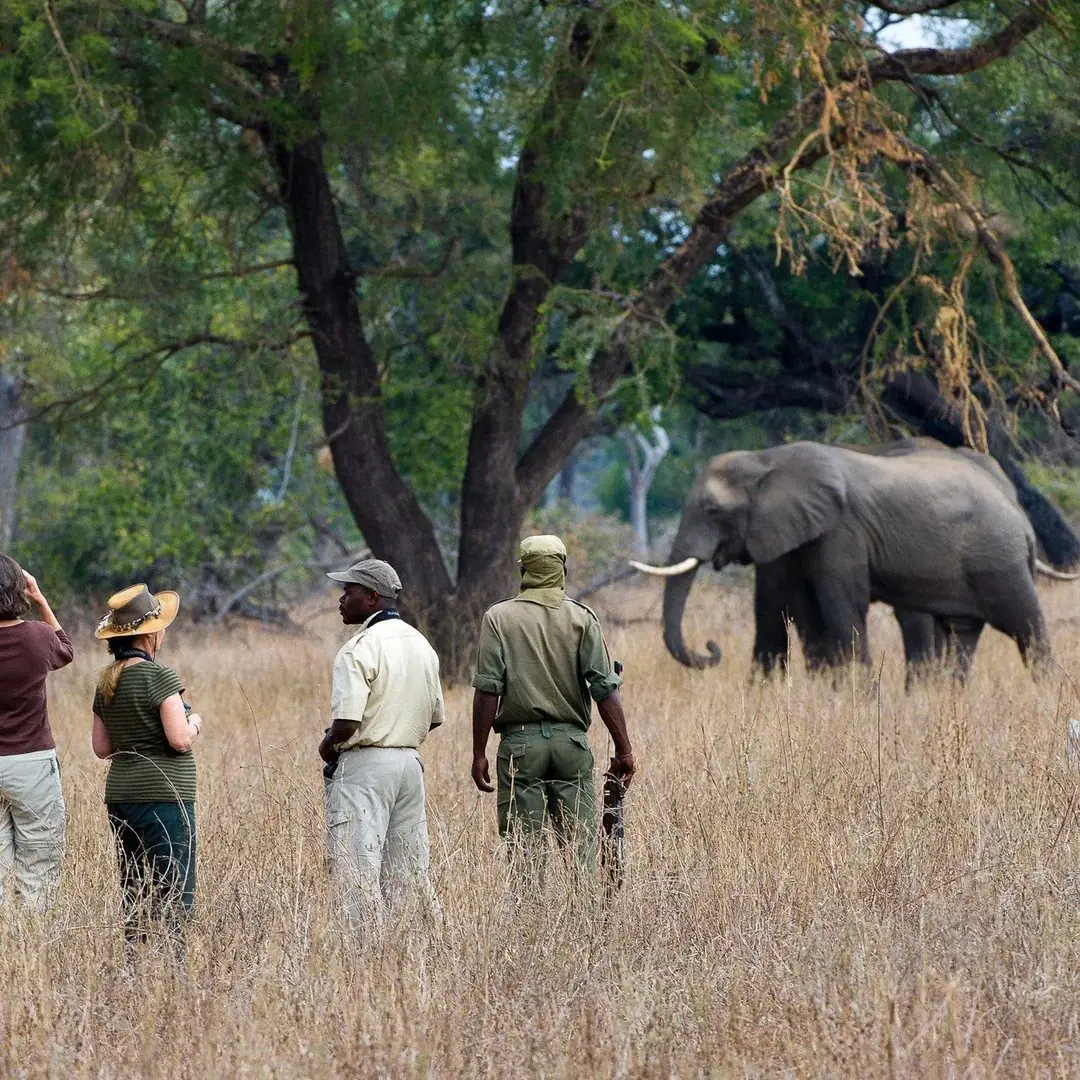
- Walking. This is where the walking safari began as a form of tourism, in 1961. Exploring on foot, with a guide and an armed scout, is still the heart of a safari here.
- Leopards. The valley is often called the valley of the leopard, and sightings are a regular part of the week.
- Night drives. In many parks you must be back in camp by dark. Here the afternoon drive runs on after sunset with a spotlight, when leopards, hyenas and the small cats come out.
Add lions, elephants, buffalo, painted dogs, hippos by the hundred, a giraffe and a wildebeest found nowhere else, and more than 400 kinds of birds. Read more in The Guide to South Luangwa.
A day on safari
Safari days follow the animals, which are most active in the cool of morning and evening. A typical day at a camp in the Collection looks like this:
- Around 5:30. A wake-up knock, coffee by the fire as the sky lightens.
- Morning. A walk or a game drive, with a stop for tea or coffee in the bush. Back by late morning.
- Midday. Brunch, then time to rest through the heat. Many guests watch from the deck as animals come down to the water.
- Afternoon. Tea at around half past three, then the afternoon drive.
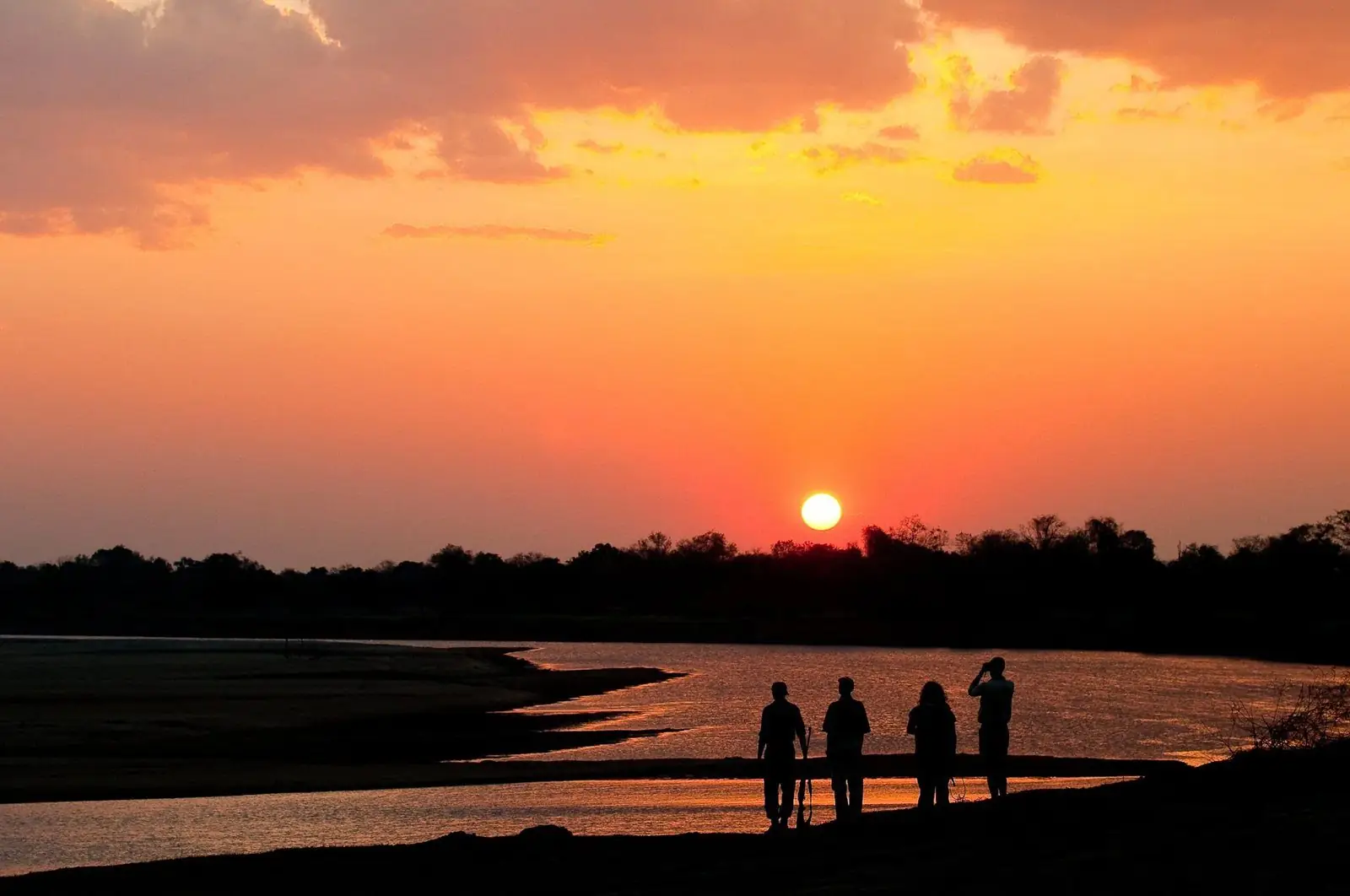
- Sunset and after. A drink as the sun goes down, then the drive continues by spotlight. Dinner under the stars, and stories around the fire.
Walking or driving?
You get to choose. Walking is always optional, game drives run at every camp, and you can mix the two from one day to the next. On shared drives no more than six guests ride in a vehicle, and a private vehicle can be added for your party alone. Most first-timers drive on the first day or two, then try a morning walk once they have a feel for the bush. Walks are unhurried, usually two to three miles in the cool of the morning, and are less about covering ground than about noticing things: tracks, birds, the smell of a herd nearby. For many guests, the walk becomes the highlight of the trip. The minimum walking age in the park is 12; a few camps set it higher.
Inside the park, or outside it?
It is the question most first-timers never think to ask, and it matters as much as any other. South Luangwa National Park is ringed by game management areas: community land, some of it farmed and settled, where wildlife comes and goes. Plenty of lodges sit in these areas, many of them just outside the park boundary, and if you ask, you will usually be told it makes no difference.
It does. Inside the park, the wildlife is better protected by the Department of National Parks and Wildlife, the game is at its densest, and you are among it from the moment you leave your room. From a lodge outside, most game drives begin with a drive to the gate, and in the busy Mfuwe sector you share that gate, and the roads beyond it, with every other vehicle in the area. Outside the park, game is thinner and warier, and it shares the land with villages and fields.
So ask every camp one plain question: is it inside the park? Lion Camp, both gateway properties and all six bushcamps of The Bushcamp Company stand inside South Luangwa National Park: Mfuwe Lodge and The Villas at KuKaya just inside the main entrance, the bushcamps spread across 140,000 acres of the remote south, and Lion Camp in the wild north.
Chibembe is the exception, and it is a different thing altogether. It lies on the east bank, outside the park, but it is not a lodge in a game management area. It is a private reserve of 3,500 unfenced acres, protected by its own scouts and hours from the busiest part of the park, and its guests cross the river by boat to walk in the national park itself. It is the valley as it was, with no one else on the ground.
How long to stay
For a first safari, plan on seven to ten nights in the valley, split between two to four camps. Moving camps every few nights shows you different country, from the river at the gateway lodges to the remote south and the wild north, and the transfers between camps are game drives in themselves. Minimum stays are two nights at a bushcamp, three at Lion Camp and five at Chibembe. The Collection’s suggested journeys are a good place to start.
What’s included, and what the camps are like
A quote from either reservations team normally covers:
- Accommodation in the camps you choose
- All meals, snacks and sundowners
- Walking safaris, game drives and night drives with your guide
- Road transfers between camps and to and from Mfuwe Airport
- Park fees and government and conservation levies
- A Lusaka hotel, the flight to Mfuwe, meet and greet and Lusaka transport, if you ask for them
Not included: international flights, visas where needed, travel insurance and gratuities, which are at your discretion; reservations can advise on what is customary.
The camps are small. The bushcamps have a handful of chalets each, and every room has its own bathroom, many of them open to the sky. Outside the two gateway lodges the camps run on solar power, with fans rather than full air conditioning (Lion Camp adds Evening Breeze, a cooling system over each bed), and every camp has Wi-Fi. The camps are unfenced, so animals walk through them, and after dark a member of staff walks you to and from your room.
When to go
May to October is the dry season and the classic time for a first safari: the bush thins, animals gather at the water, and from June every camp is open. June and July are cool, especially at dawn; September and October are hot and dramatic. May and November are quieter shoulder months. December to April is the green season, lush and full of young animals and birds, when the gateway lodges stay open. See The Valley & Seasons.
What it costs
In peak season, camps in the Collection, with the exception of Chibembe, run from about US$800 to US$1,700 per person per night, depending on the camp. Chibembe, a private reserve opened to one party at a time by arrangement, shares its rates personally. As a rough guide, ten nights for two in peak season comes to somewhere between US$16,000 and US$34,000, before international flights. Shoulder and green-season rates are lower. Published rates exclude park fees and government and conservation levies, together about US$95 to US$120 per person per night, so add roughly US$2,000 to US$2,400 for two over ten nights; every quote includes them. The flight from Lusaka to Mfuwe can be added to any quote.
Getting there
There are no direct flights from the US to Zambia. Most Americans fly to Lusaka through Johannesburg (Delta flies to Johannesburg), Dubai, Doha, Addis Ababa, Nairobi or Istanbul. From Lusaka, Proflight Zambia flies twice daily to Mfuwe in about an hour and twenty minutes, and you are met at the airport. Door to door, plan on roughly 24 to 36 hours, about a day and a half, from most US cities; many guests break the journey with a night in Lusaka or Johannesburg. From Europe, Australia, Asia and elsewhere, fly to Dubai, Doha, Johannesburg, Addis Ababa or Nairobi; each has daily connections to Lusaka. Scheduled flights to Mfuwe allow soft-sided bags of up to 50 lb. Full details are on Getting There.
Safety and health
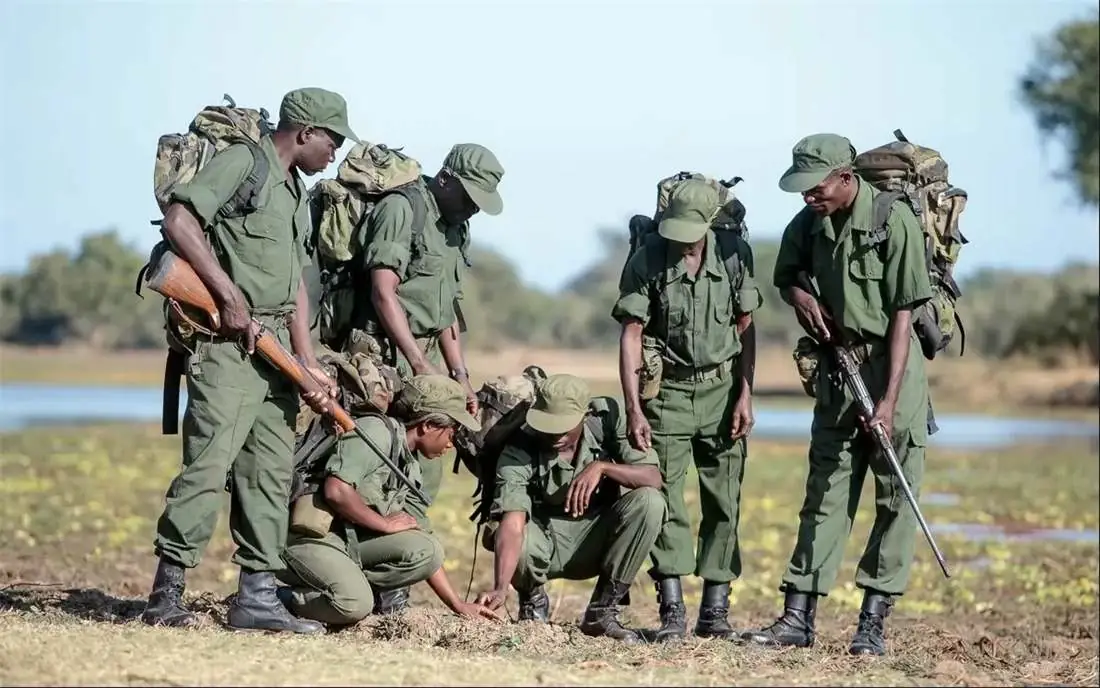
Every walk inside the park goes out with a licensed guide and an armed scout from the Department of National Parks and Wildlife, in a small group, and the guides are trained to read the bush and keep a safe distance. On drives, you stay seated in an open vehicle and the animals treat it as part of the landscape. South Luangwa is a malaria area, so talk to your doctor or a travel clinic well before you go, and check entry rules before you book flights: at the time of writing, US passport holders can visit Zambia for tourism without a visa for up to 90 days, with a passport valid for at least six months and blank pages to spare. Every traveler must have their own travel and medical insurance, and we strongly recommend emergency evacuation cover.
How to book
Most first-time safari travelers book through a travel advisor who knows Africa, and the Collection works closely with advisors. You can also go direct. The Collection has three names but one family: write to either reservations team, The Bushcamp Company or Lion Camp, and they will look after everything, from one camp or Chibembe to the whole circuit across the valley. To sketch out dates first, try the journey planner, and read What to Pack for South Luangwa before you go.
Ready to plan your first safari?
Start from A First Walking Safari