The most common mistake on a first safari is packing too much. Every camp in the Collection does laundry, supplies the basics and can usually help with anything you forget. What matters is a short list of the right things: quiet colors, good shoes, warm layers for the early mornings and a decent pair of binoculars.
Your bag
Bring a soft-sided bag; hard suitcases don’t suit the small aircraft and vehicles of the valley. The usual allowance on flights to Mfuwe is 23 kg (50 lb) per person, but it can vary with your routing, so the reservations team will confirm yours. Extra allowance can often be bought at the airport.
Colors
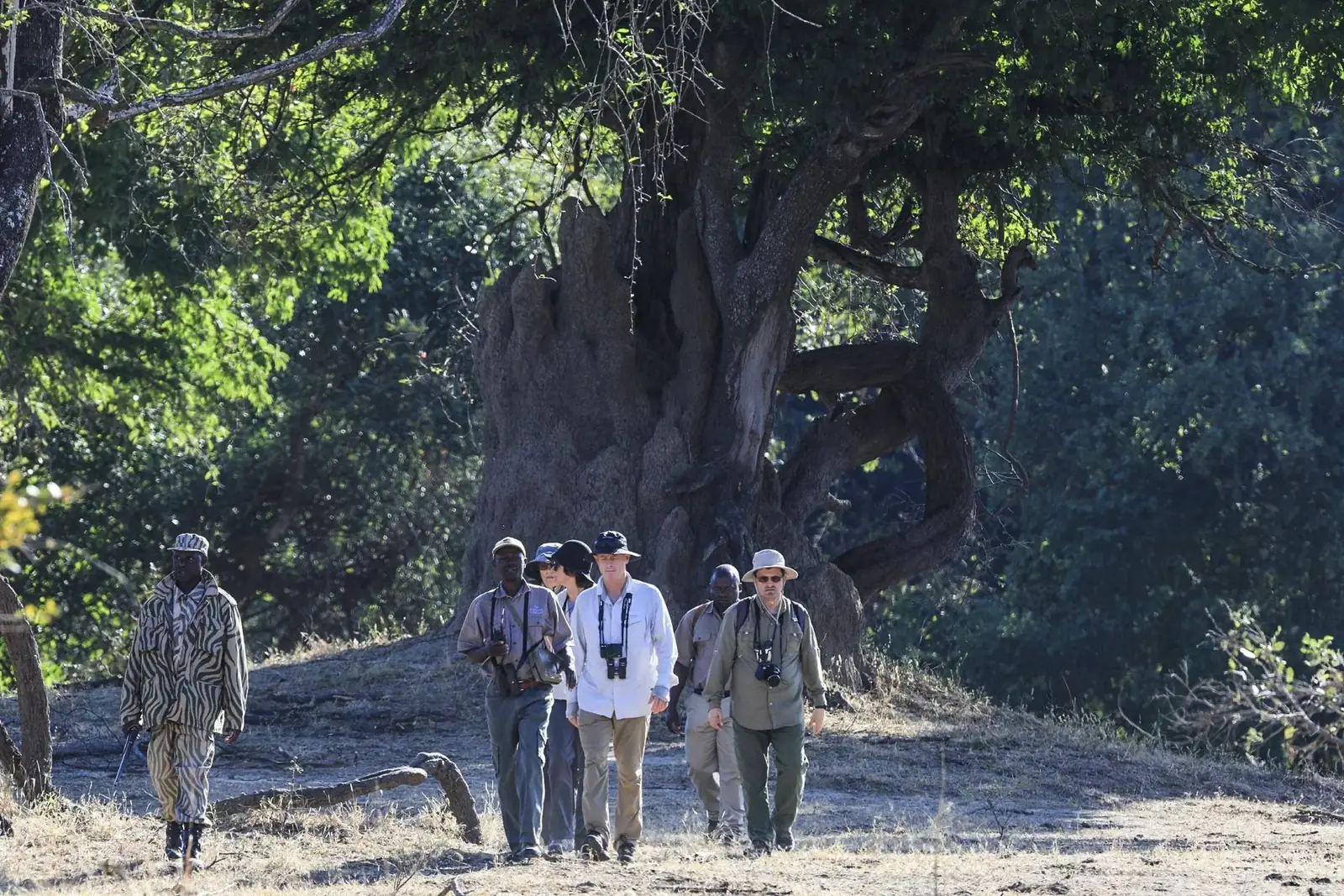
Wear earth tones: khaki, olive, tan, brown and stone. They blend into the bush, which matters on foot. Leave white and bright colors at home; they stand out to animals and show every speck of dust. Avoid dark blue and black, which attract tsetse flies. And skip perfume and strongly scented products on walking days: the animals will smell you long before they see you.
Clothing for a week
- Two or three pairs of lightweight long pants for walks
- A couple of pairs of shorts for warm afternoons in camp
- Several short-sleeved shirts, and two long-sleeved shirts for sun and insects at dawn and dusk
- Warm layers: a fleece vest, a fleece or mid-weight jacket, and a light beanie if you feel the cold. Layers work better than one heavy coat.
- A light rain layer if you are traveling in the green season, December to April
- A swimsuit, for the pools at Mfuwe Lodge, The Villas at KuKaya and Kapamba
Because laundry is done in camp, three or four outfits will carry you through a week or more. There is no dress code, at dinner or anywhere else.
The seasons
Days in the valley are hot all year. But from June to August, an early drive in an open vehicle can be properly cold until the sun is up, and night drives cool down quickly too. By October the heat is the thing to plan for. In the green season, pack the rain layer.
Footwear
For walking safaris, this is the one item that really matters. Bring comfortable, broken-in walking shoes or light boots with good grip; if they are new, wear them in at home first. Add sandals or light shoes for camp.
Binoculars, camera and bush essentials
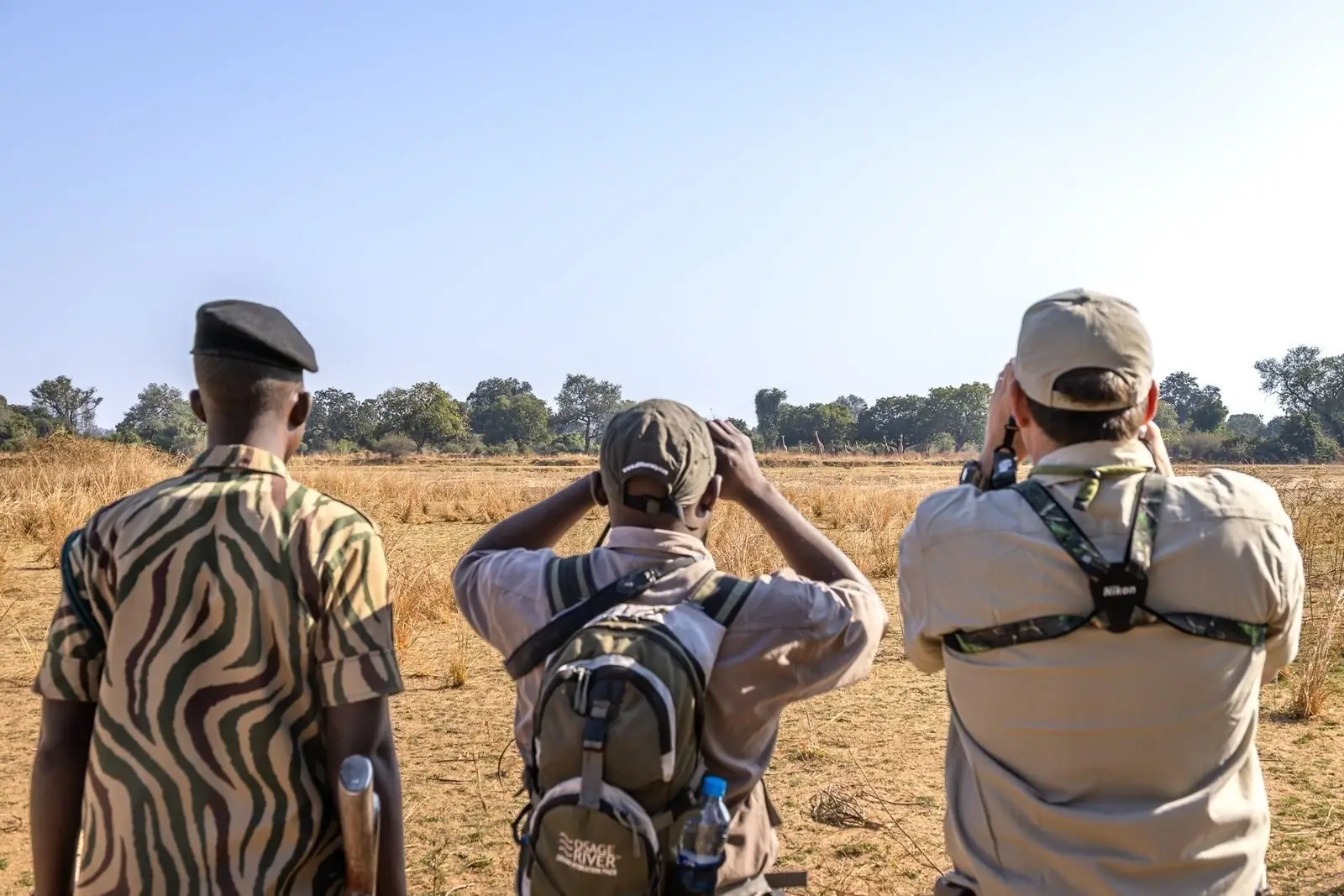
- Binoculars, one pair per person rather than one per couple. Guests often say they wish they had brought better ones.
- A wide-brimmed hat, sunglasses, high-SPF sunscreen and lip balm
- A buff or neck gaiter for sun, dust and wind
- A small daypack for sunscreen, camera and a spare layer
- A headlamp or small flashlight; the solar-powered camps are lit softly at night
- Your camera, with a longer lens if you are serious about photography, plus spare batteries and memory cards. You can charge at every camp.
And now and then, put the camera down and just watch.
Health
South Luangwa is a malaria area, so speak to your doctor or a travel clinic about antimalarials well before you leave. Insect repellent is provided in camp, but bring your favorite if you have one. Carry prescription medicines in your carry-on, in their original packaging, along with a small personal first-aid kit; every camp keeps a full one. Rehydration packets help in the heat.
Documents, money and power
- A passport valid for at least six months beyond your trip, with blank pages
- Most nationalities, including US and UK citizens, can currently visit Zambia visa-free, but rules change, so check before you travel
- Travel insurance, ideally including medical evacuation
- US dollars in cash, in small and recent notes, for gratuities and incidentals
- A travel adapter: Zambia uses the square, three-pin British plug
What to leave at home
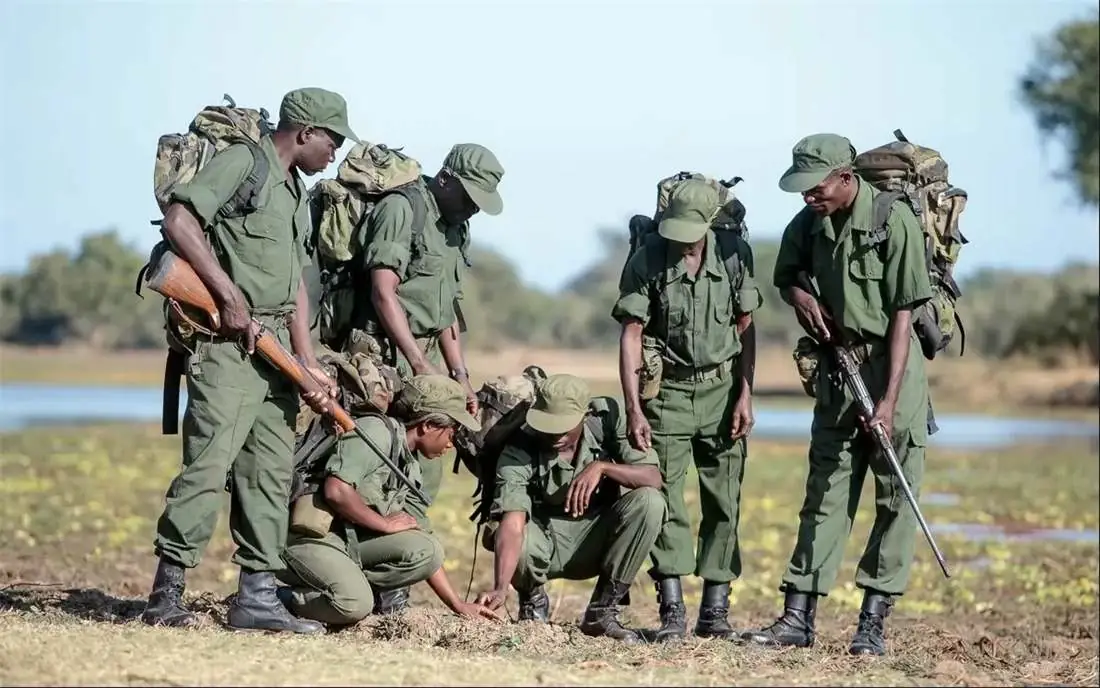
Smart clothes, hard suitcases, hairdryers, bulky gadgets and extra toiletries. Leave camouflage clothing behind too: in parts of Africa it is reserved for the military.
The short version
Earth-toned clothes, broken-in walking shoes, a vest and a fleece, good binoculars, a hat, sunglasses, a buff, sunscreen, a daypack, antimalarials, and a soft bag under the weight limit.
For everything else, from flights to families, see Planning & FAQ and The Guide to South Luangwa.