
South Luangwa · Zambia Safari HeritageCollection
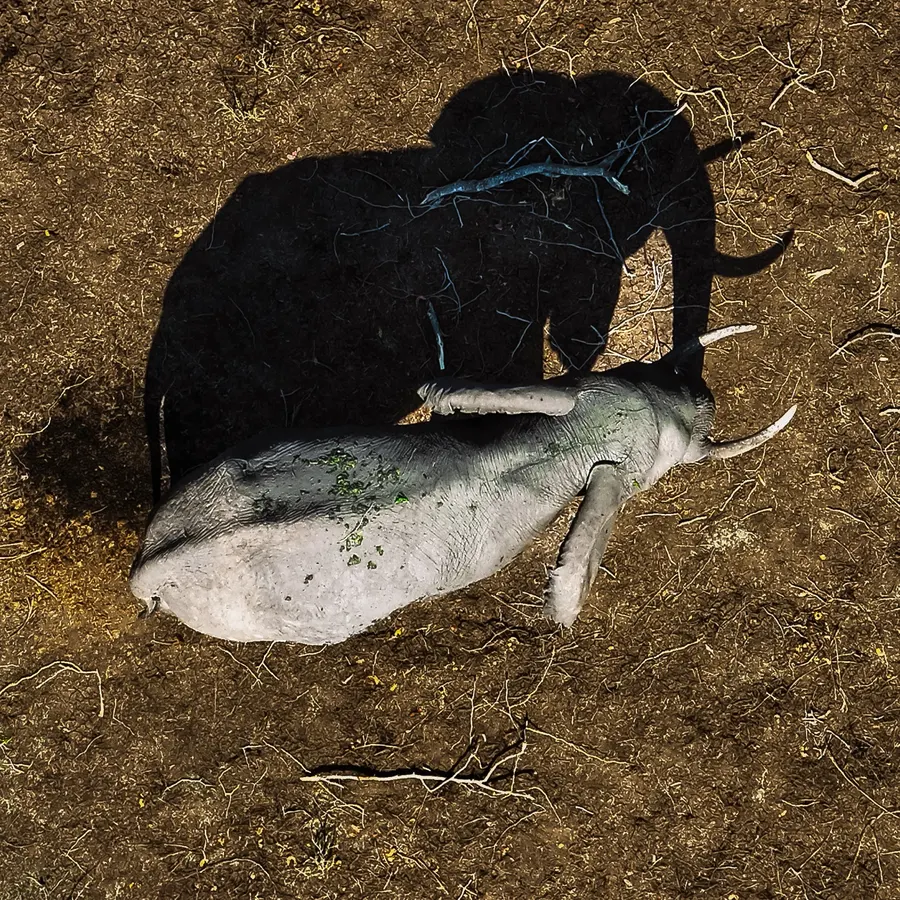
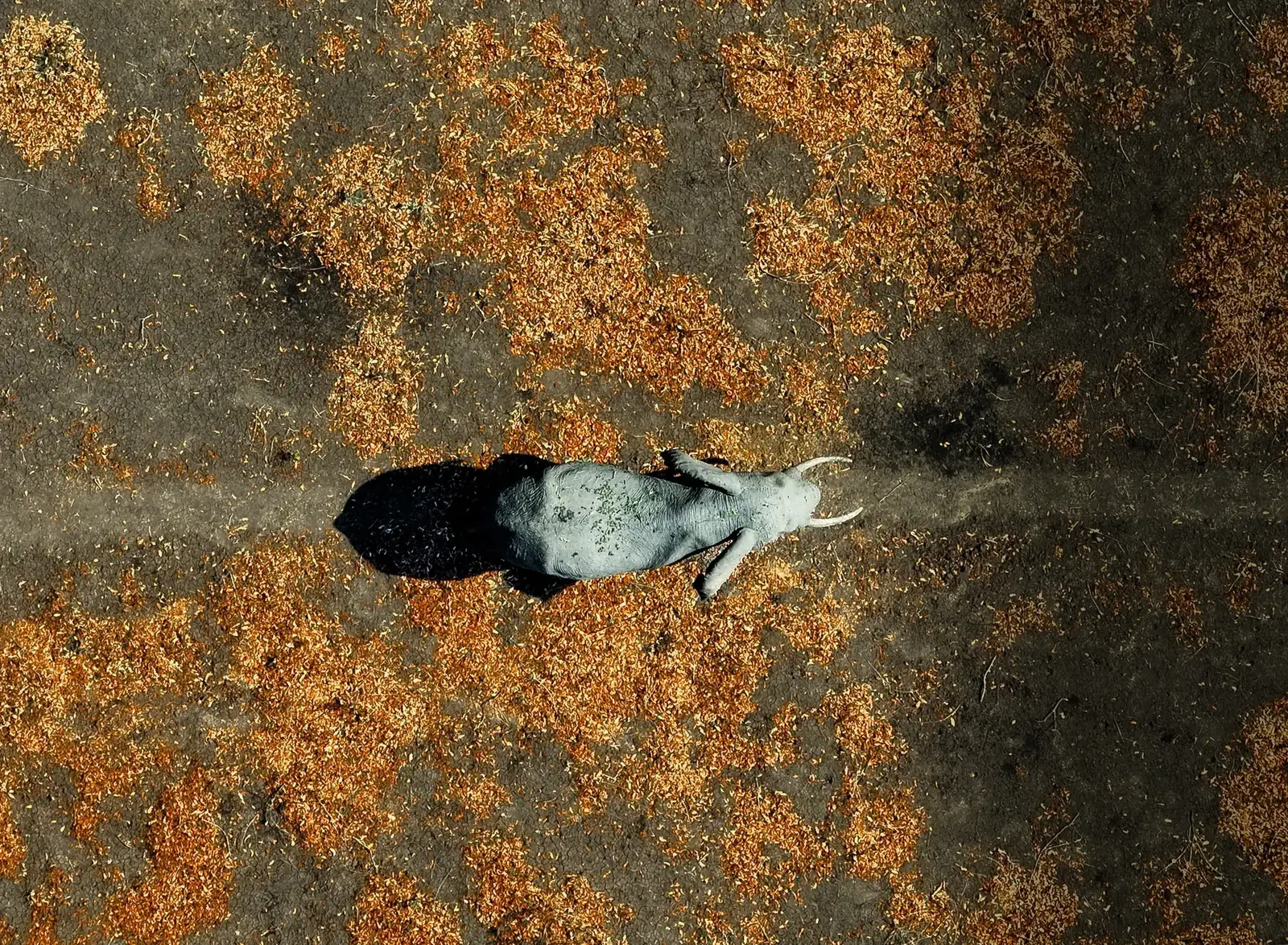
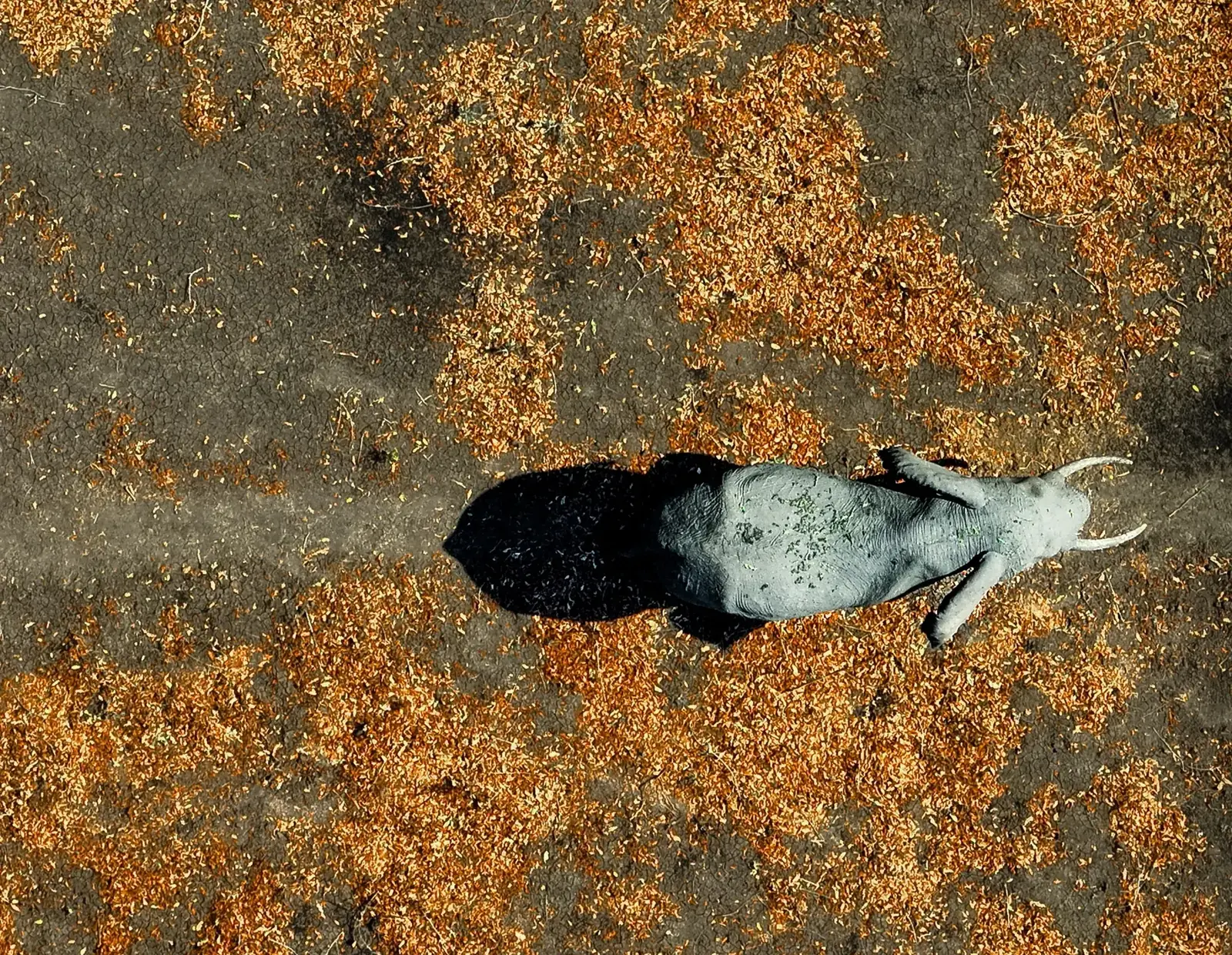
An elephant crossing red leaf litter on the floodplain at Chibembe, seen from directly above
The crossing · East bank · Reopened 2026

Chibembe Wildlife Reserve

3,500 unfenced acres · East bank of the Luangwa · Walking at its heart

chibembewildlifereserve.com (opens the Chibembe website in a new tab) Ask about a stay →
Configuration
Private hire, whole camp
Minimum stay
Five nights
Season
June – October
Stays
By arrangement
Rate
On request
Access
Exclusive use, one party · six private stays a year
The Ground

Not a lodge. A private safari heritage reserve.

Walking is the heart of every stay, including boat crossings to walk in the national park, with game drives and night drives as well.

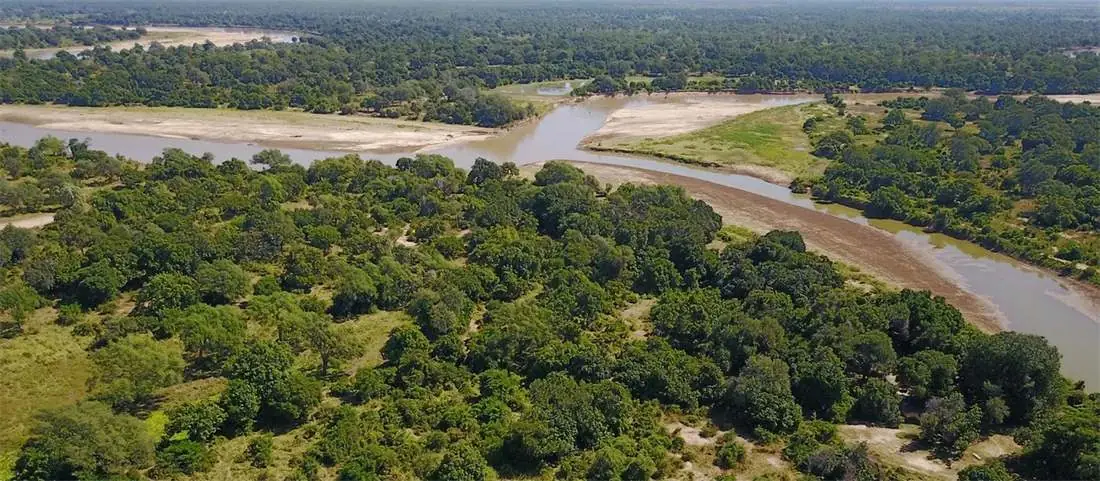
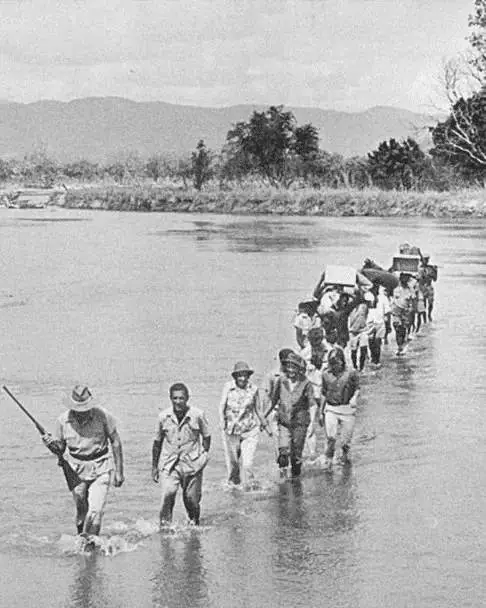
Chibembe was the name of this stretch of the Luangwa’s east bank, at the confluence with the Chibembe Channel, long before it was the name of a camp. Today the reserve covers 3,500 unfenced acres here: ground zero of the walking safari. The 1955 record places the pontoon here, built “to permit access from the east.” The 1961 record names Lion Camp, across the river, as the camp from which Carr pioneered Wilderness Trails. The road from Fort Jameson ended on this bank, at the camp Carr’s partner Peter Hankin had built by the crossing, and Carr’s guests set out from here to walk. In 1968 Carr formalized the circuit and built a new Chibembe Safari Camp on this ground, an area that had always been known as Chibembe, and it became the hub of his circuit, where a generation of Luangwa guides learned the craft, among them Phil Berry, Robin Pope and John Coppinger, who later ran Wilderness Trails from Chibembe. In time the name of the camp and the name of the place became one.

Guests came in from the east and staged at the Chibembe pontoon. From these grounds, across the river to Lion Camp on the west bank and through the wild miles between, the walking safari was pioneered as a form of tourism. Read why South Luangwa is still the mecca of walking safaris.

The reserve is opened to one party at a time, for five nights or more, by private arrangement. That is the whole program.
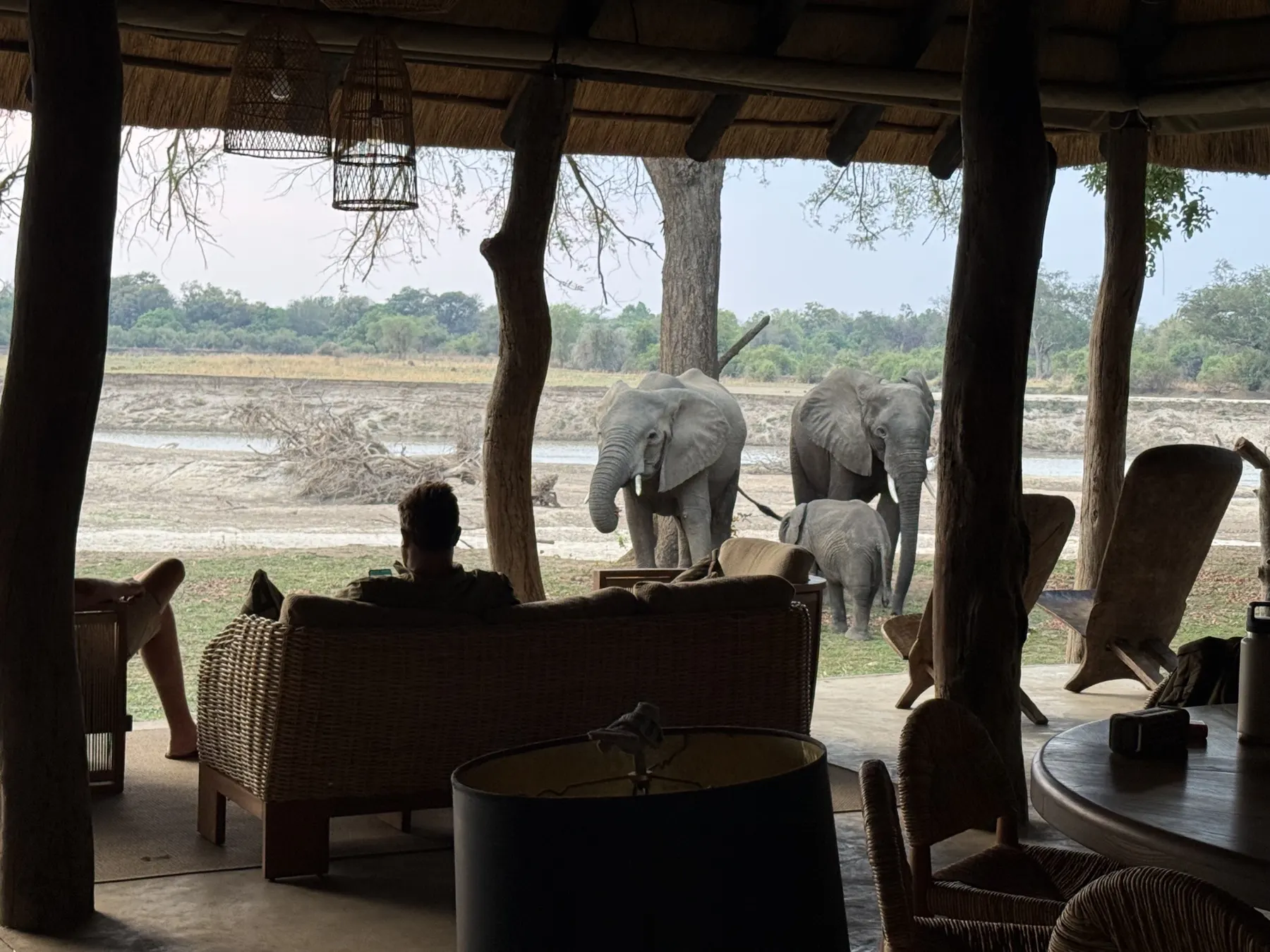
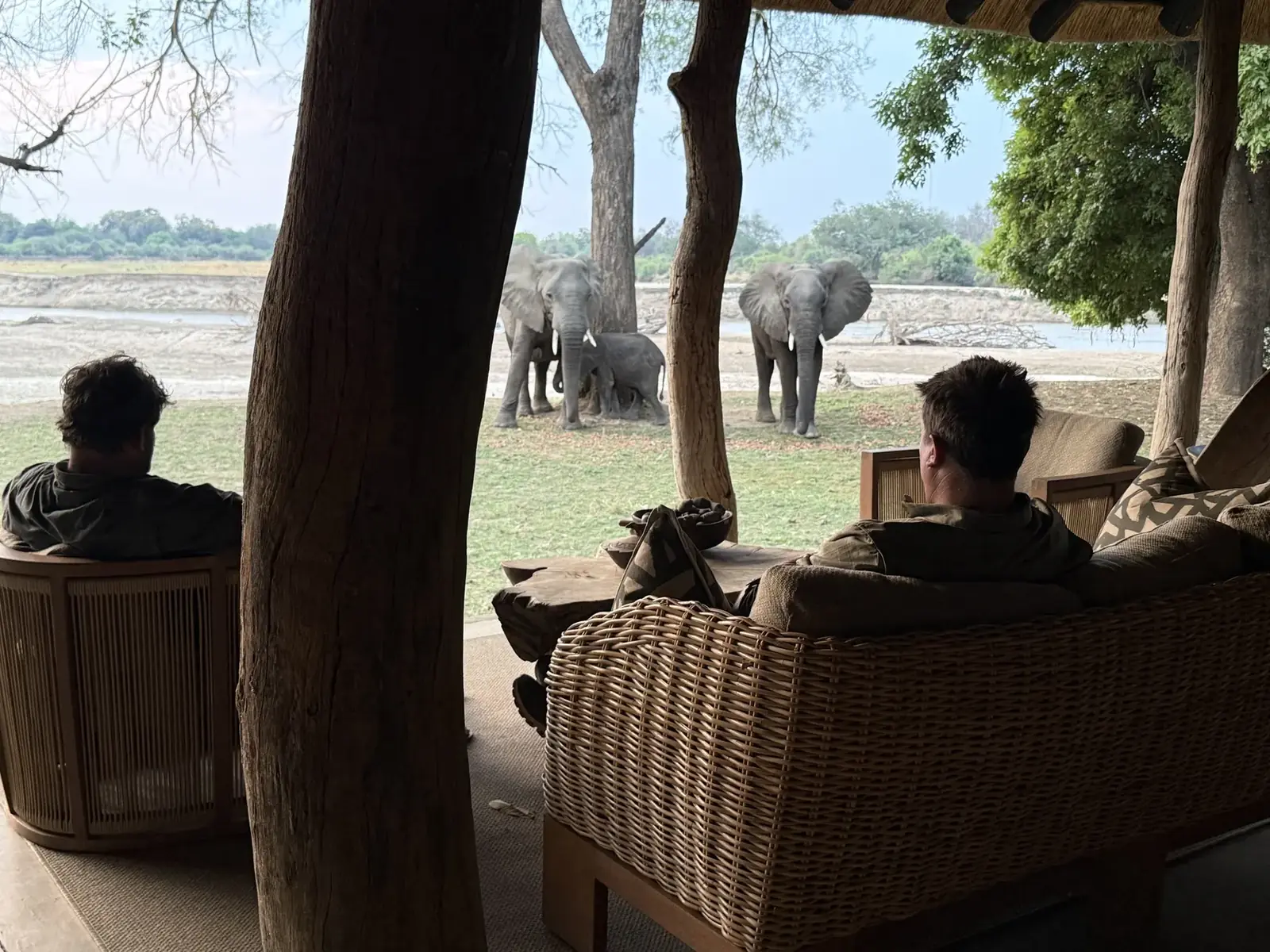
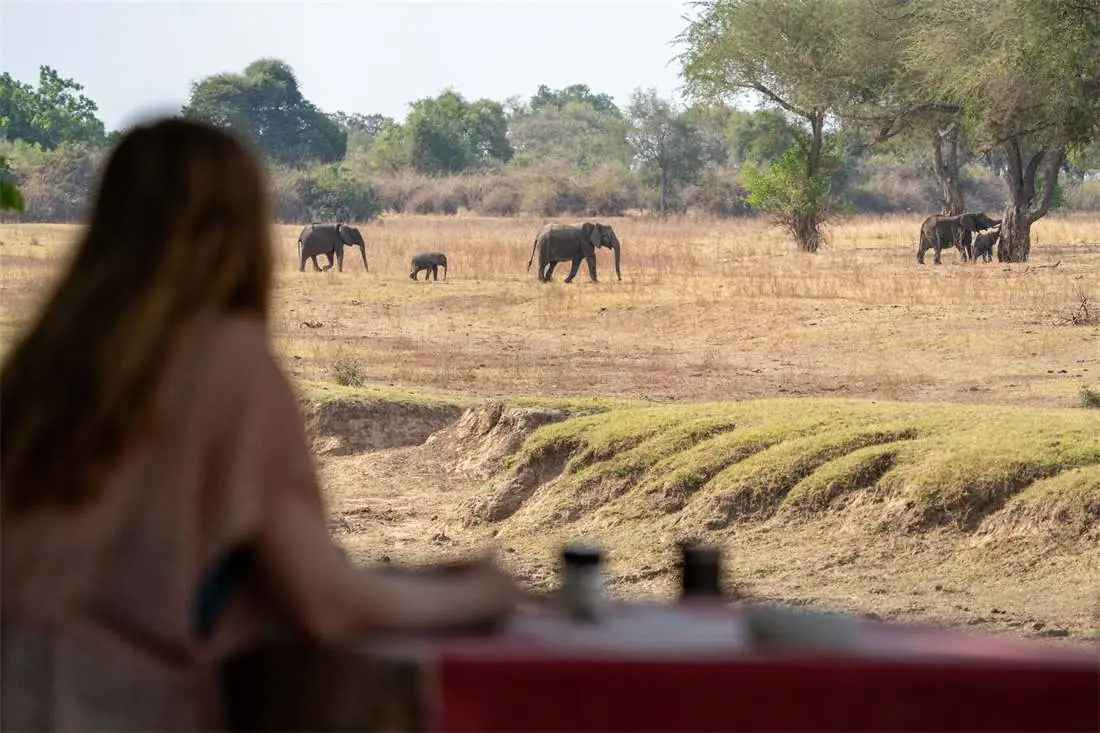
Elephants and a calf a few yards from the lounge at Chibembe, guests watching from the sofas, the Luangwa behind
The Record

The birth certificate of the walking safari.

1955 — The Ground “A seasonal pontoon crossing built across the Luangwa at Chibembe to permit access from the east. Lion Camp and viewing tracks built.”
1961 — The Founding “Lion camp leased to ‘Luangwa Safaris’, a director of this company was N.J. Carr; from this camp Wilderness Trails were pioneered by Carr as a type of tourism.”

Source · the 1955 and 1961 entries are recorded in A History of Wildlife Conservation and Management in the mid-Luangwa Valley, Zambia (1999) by W. L. Astle, in Zambian government wildlife service from 1959 and later the country’s Chief Wildlife Research Officer.
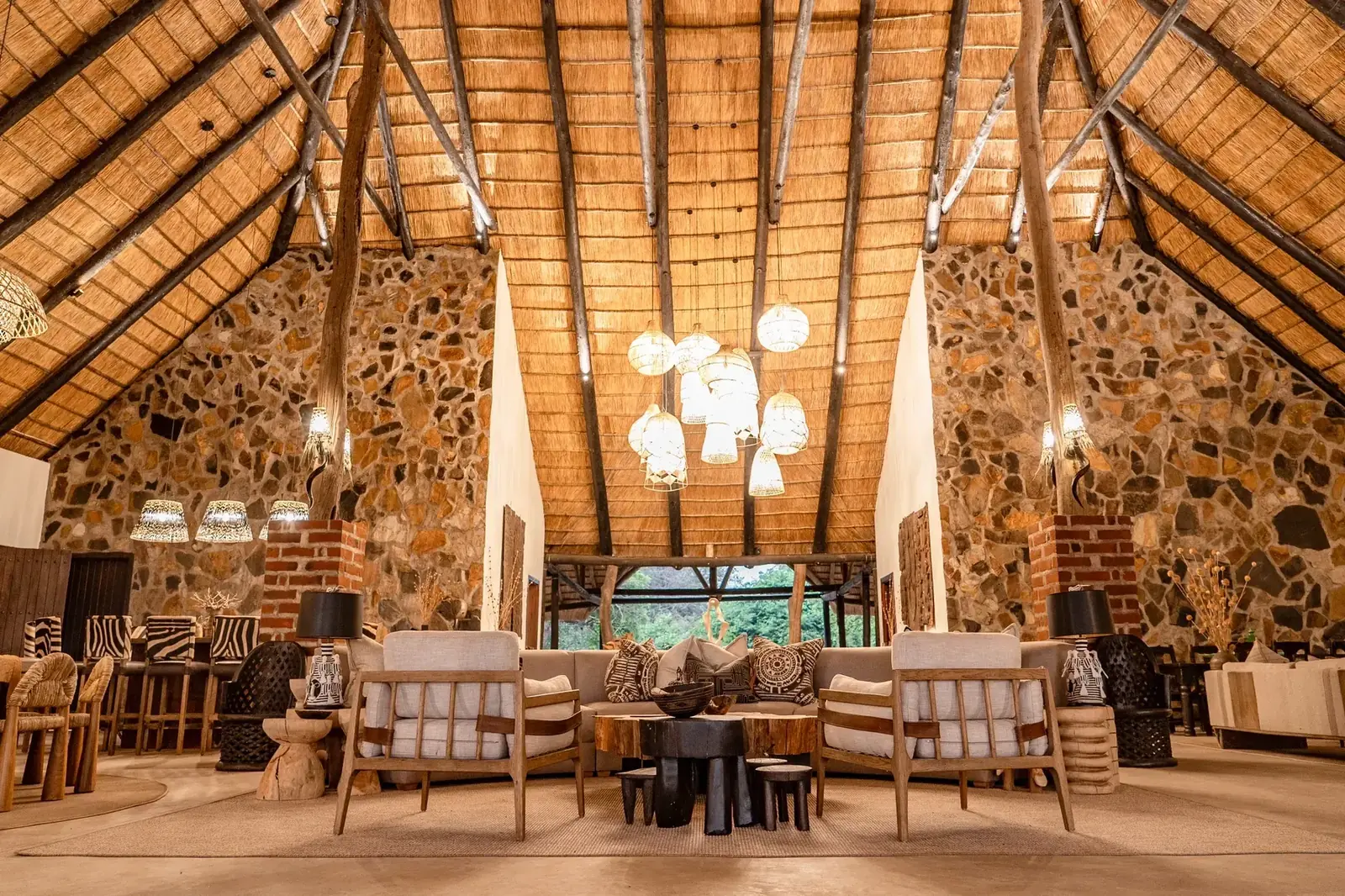
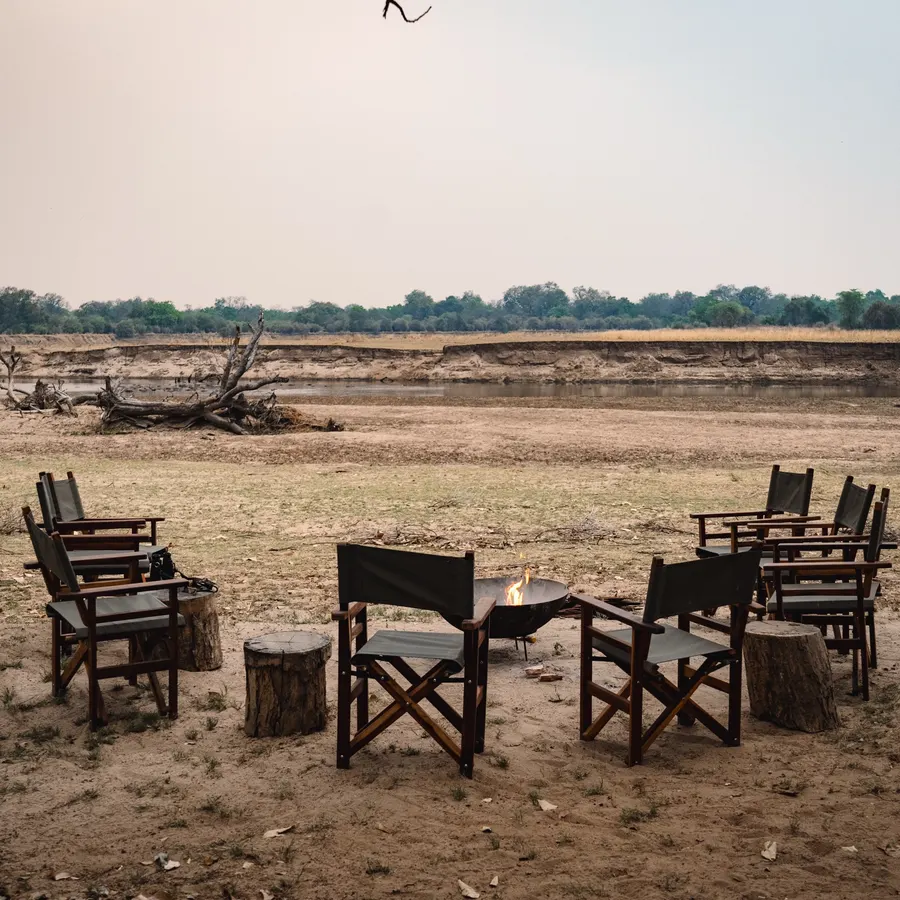
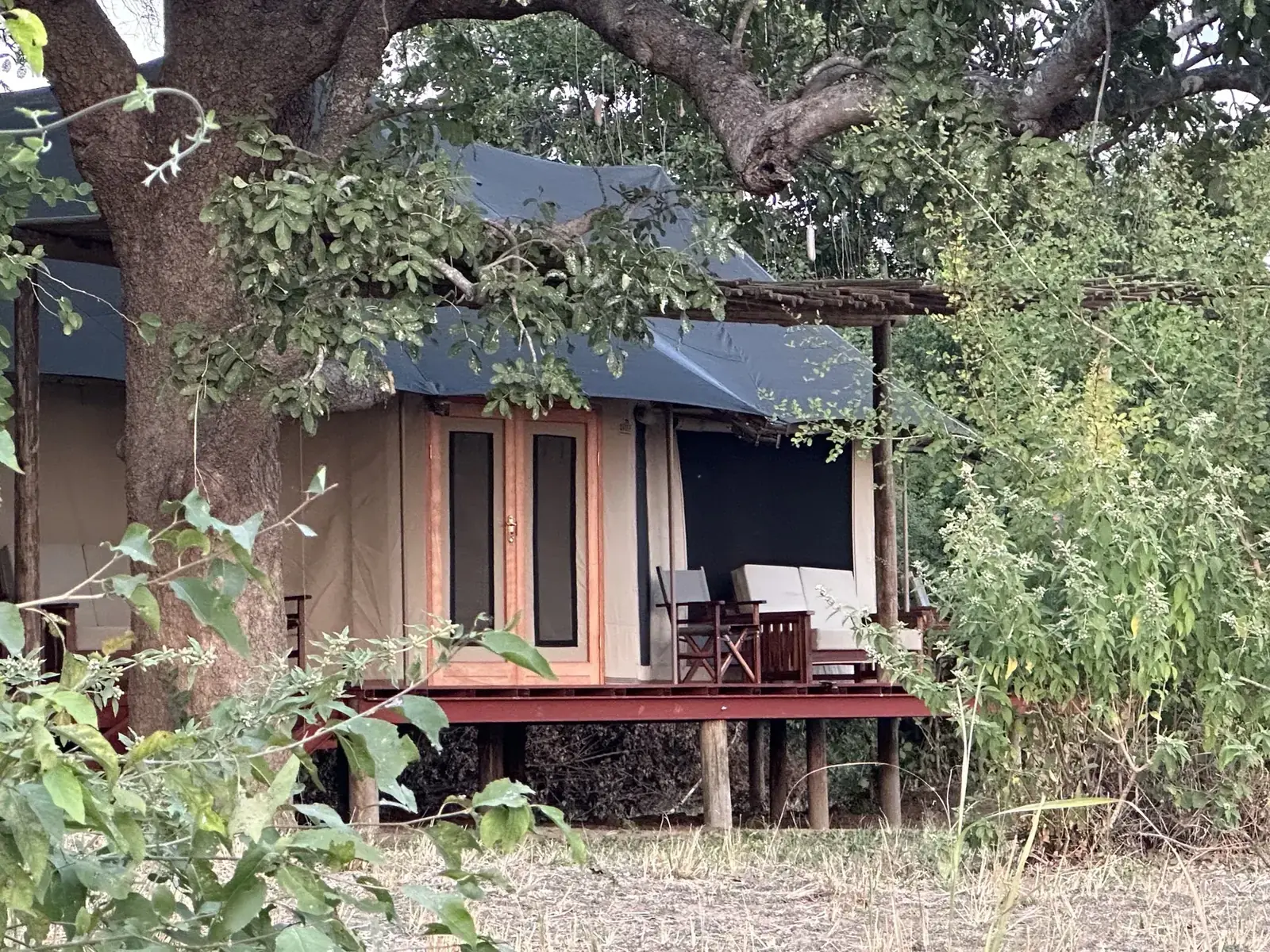
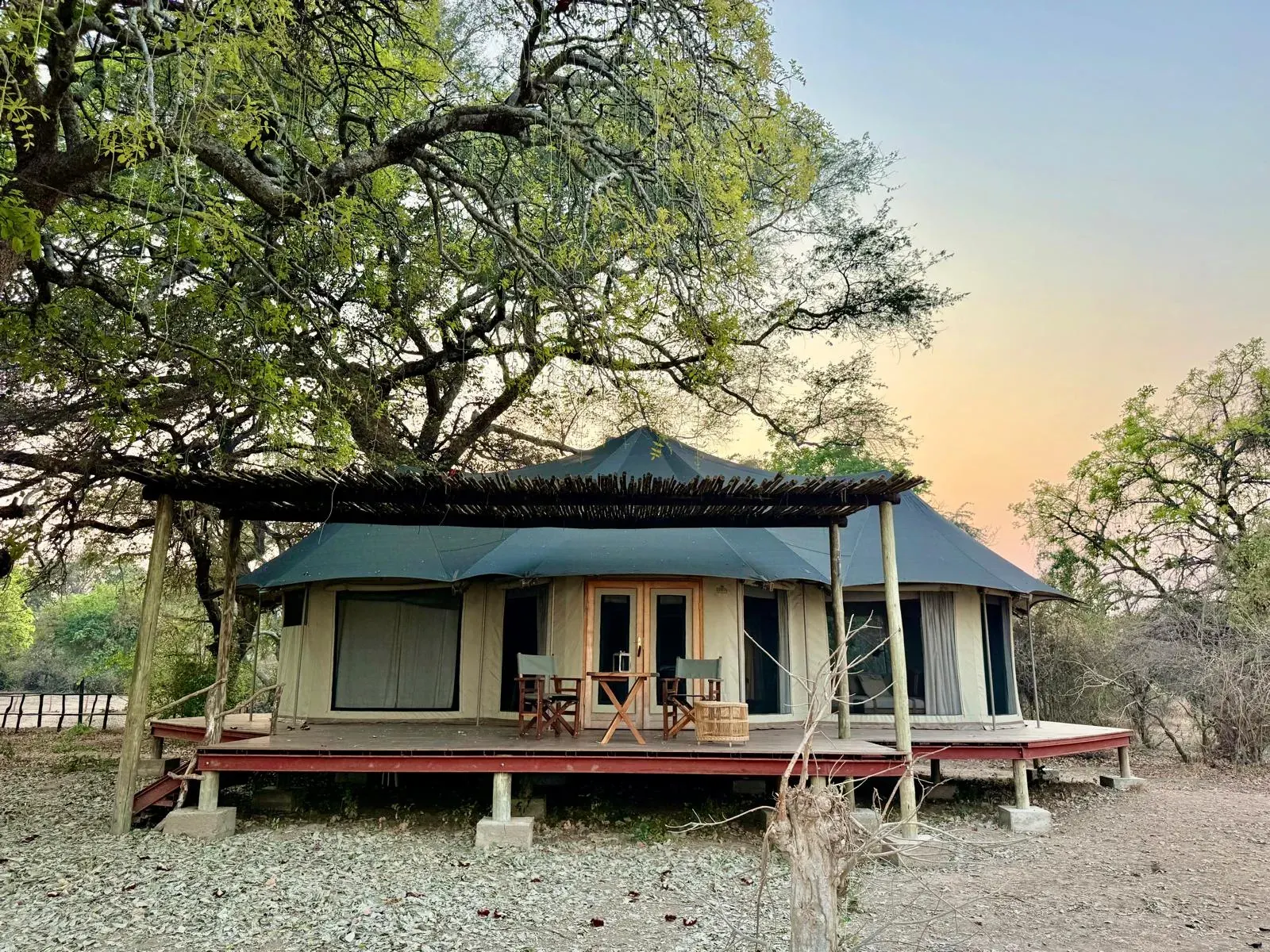
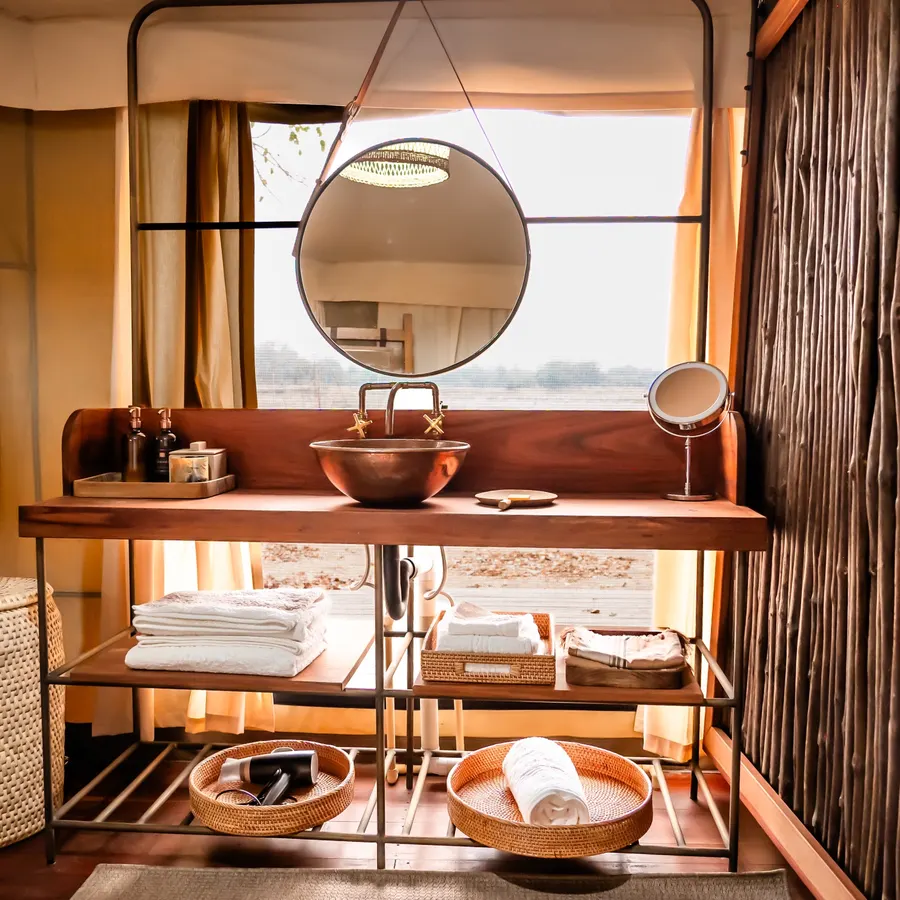
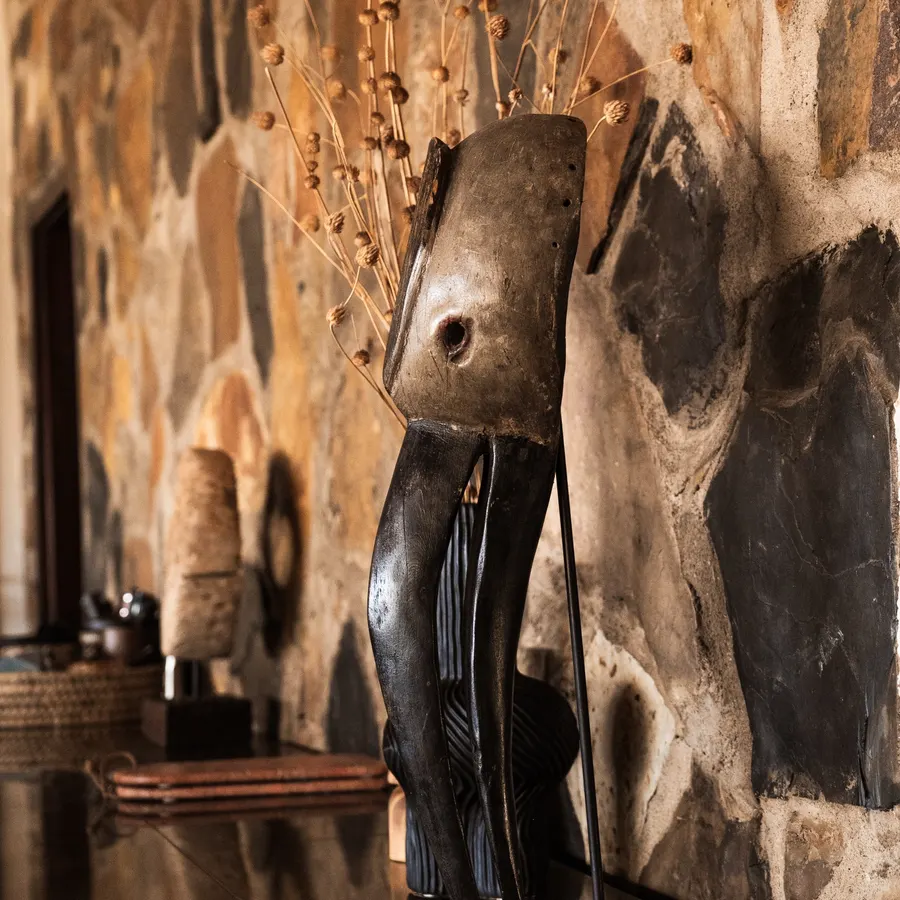
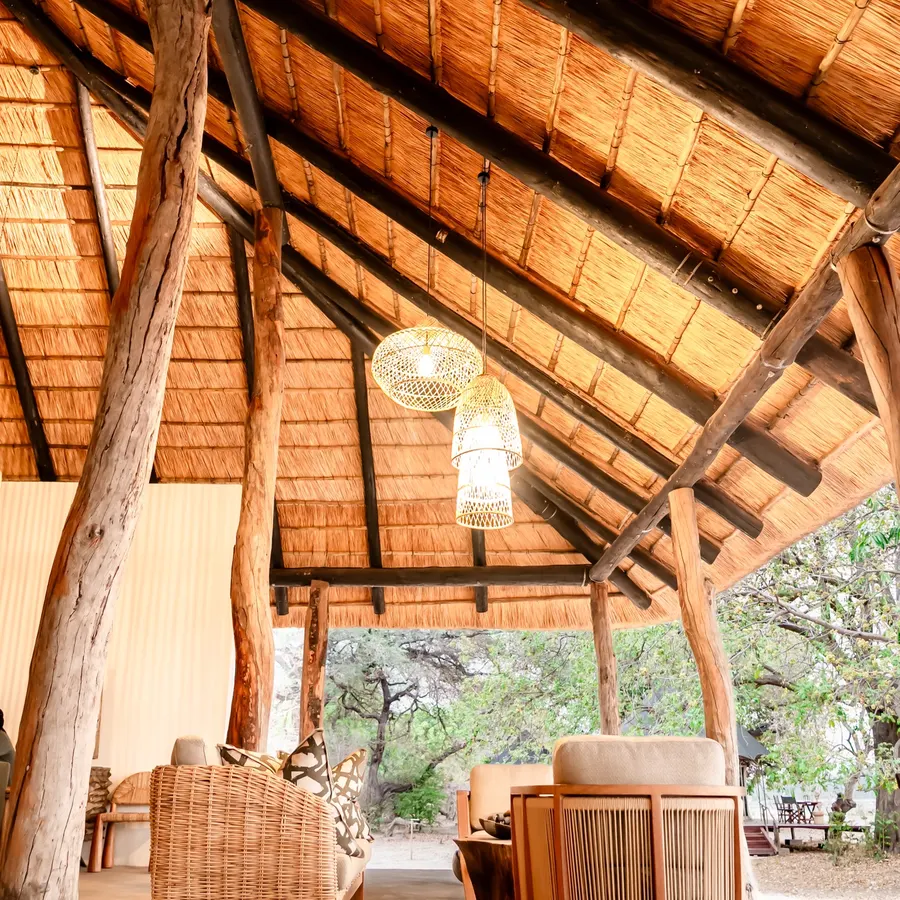
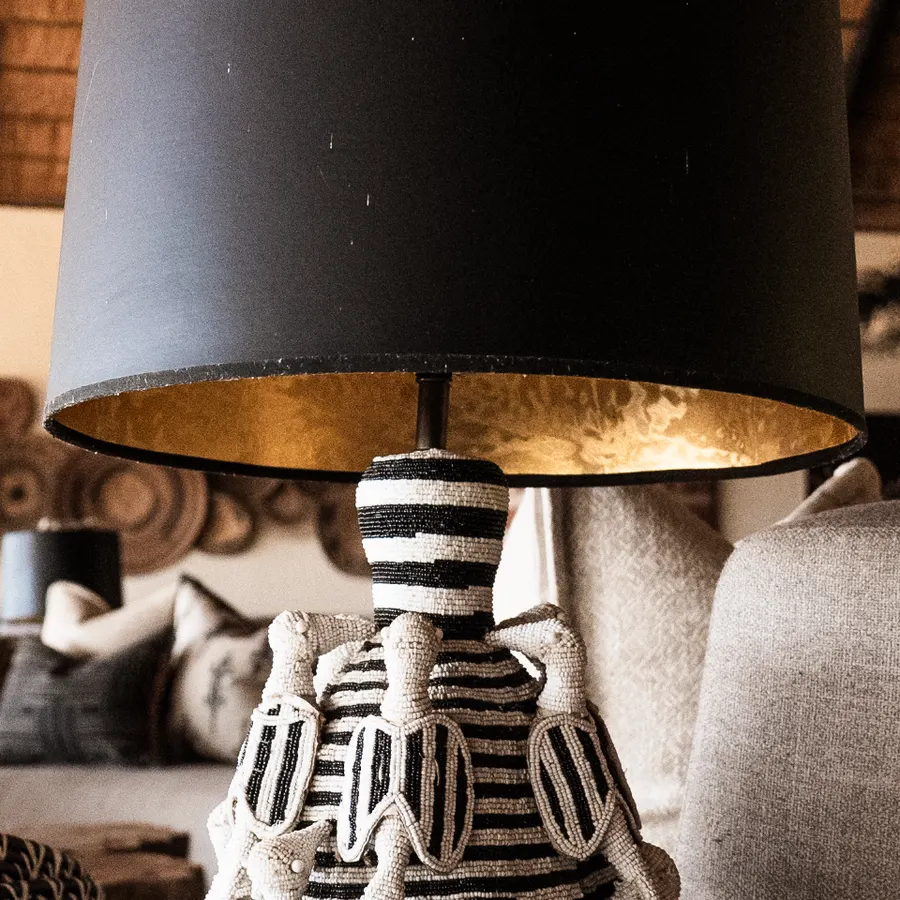
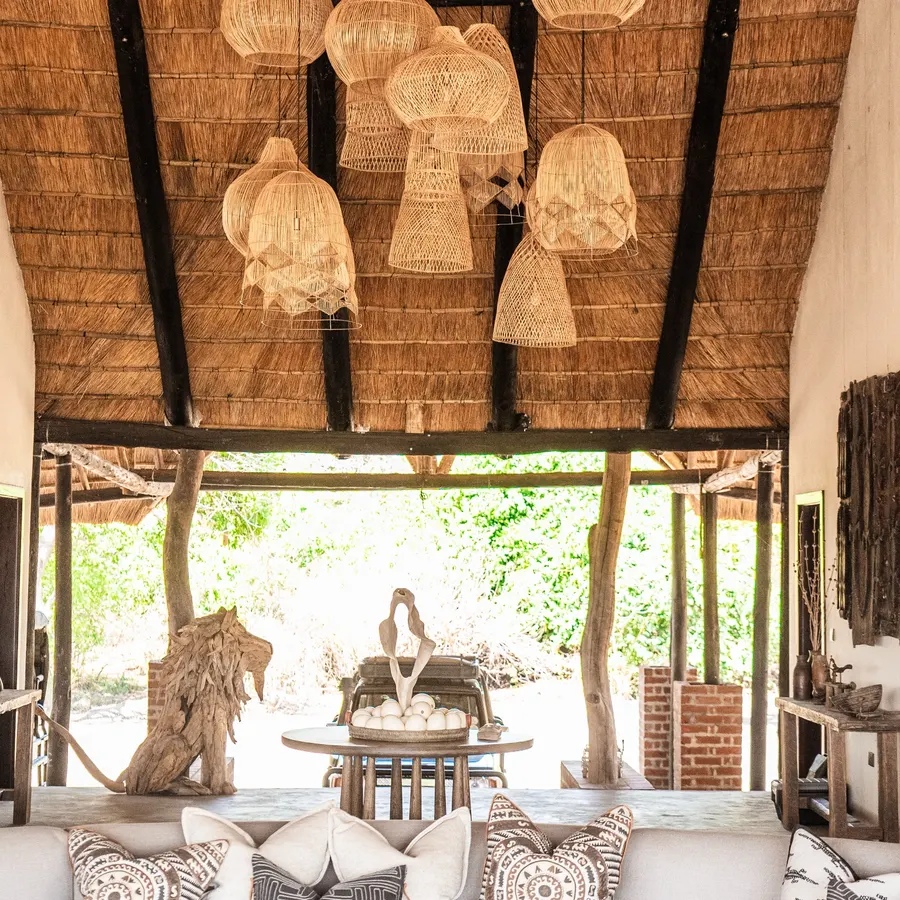
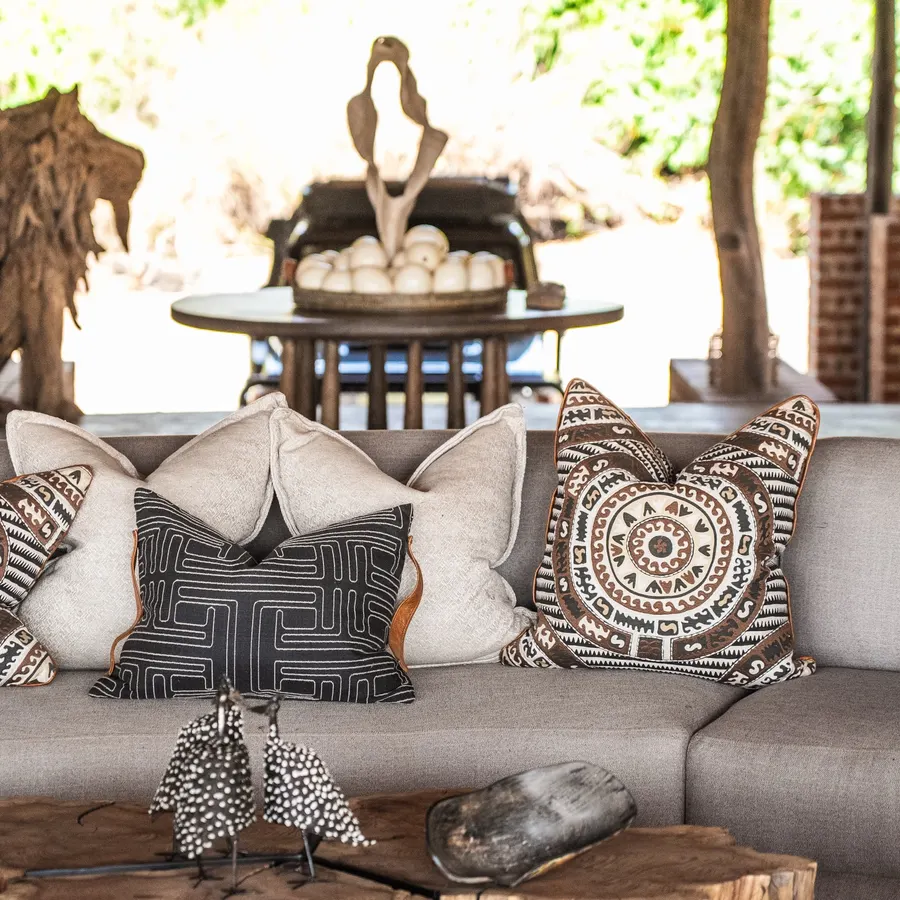
The main lounge at Chibembe beneath its soaring thatch, stone walls and clustered woven lanterns Safari chairs around the fire on the riverbank at Chibembe, the Luangwa beyond A tented suite at Chibembe on its raised deck, half hidden beneath the branches of an old tree A tented suite at Chibembe, the deck set with two chairs beneath the canopy of an old tree at dusk A copper basin and mirror at the vanity of a tented suite at Chibembe A carved mask and dried grasses against the stone wall at Chibembe The open side of the lounge at Chibembe, wicker seating beneath the thatch An elephant and its long shadow on the floodplain at Chibembe, seen from above A beaded lamp in a tented suite at Chibembe Clustered woven lanterns above the sofa in the main lounge at Chibembe Armchairs in the open-sided lounge at Chibembe, a tented suite through the trees Embroidered cushions and a carved guineafowl pair on the lounge sofa at Chibembe
In a guest’s words
“If one could imagine Heaven on earth, it would be Chibembe. Wildlife everywhere, the day at your own pace, tranquility, and a place that pampers your every wish.”

Sheri B. · USA

Getting There

About two hours by road from Mfuwe Airport, or 30 minutes from the nearby airstrip.

One party at a time, by private arrangement: eight guests in comfort, and up to seventeen for a family, for five nights or more. Guests flying in by private charter land at the airstrip in Mwanya Chiefdom, about 30 minutes’ drive from camp. Boat crossings take you to walk in the national park, and Lion Camp is 35 minutes away plus a river crossing. It also closes the Collection’s Heritage Journey, which runs on set dates each season.
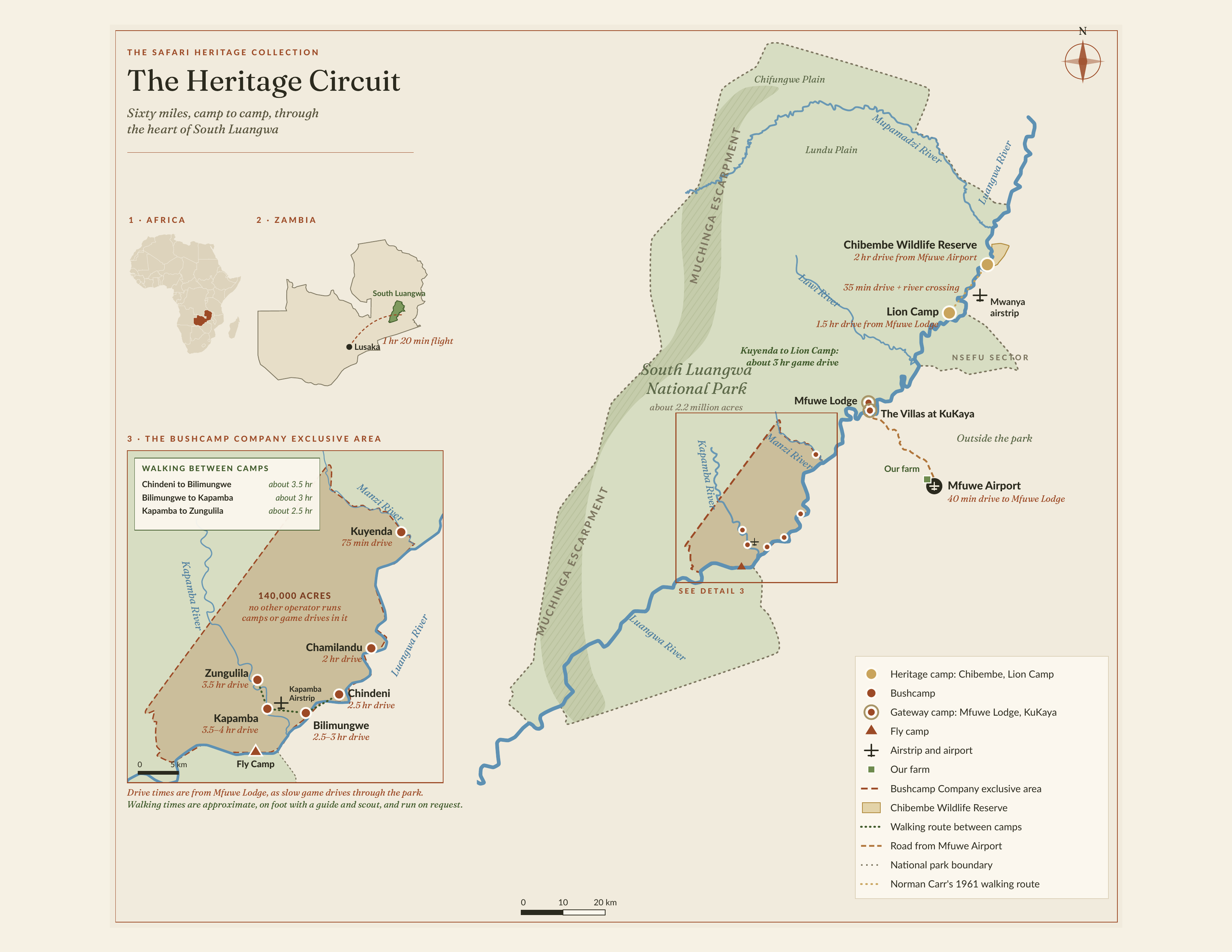
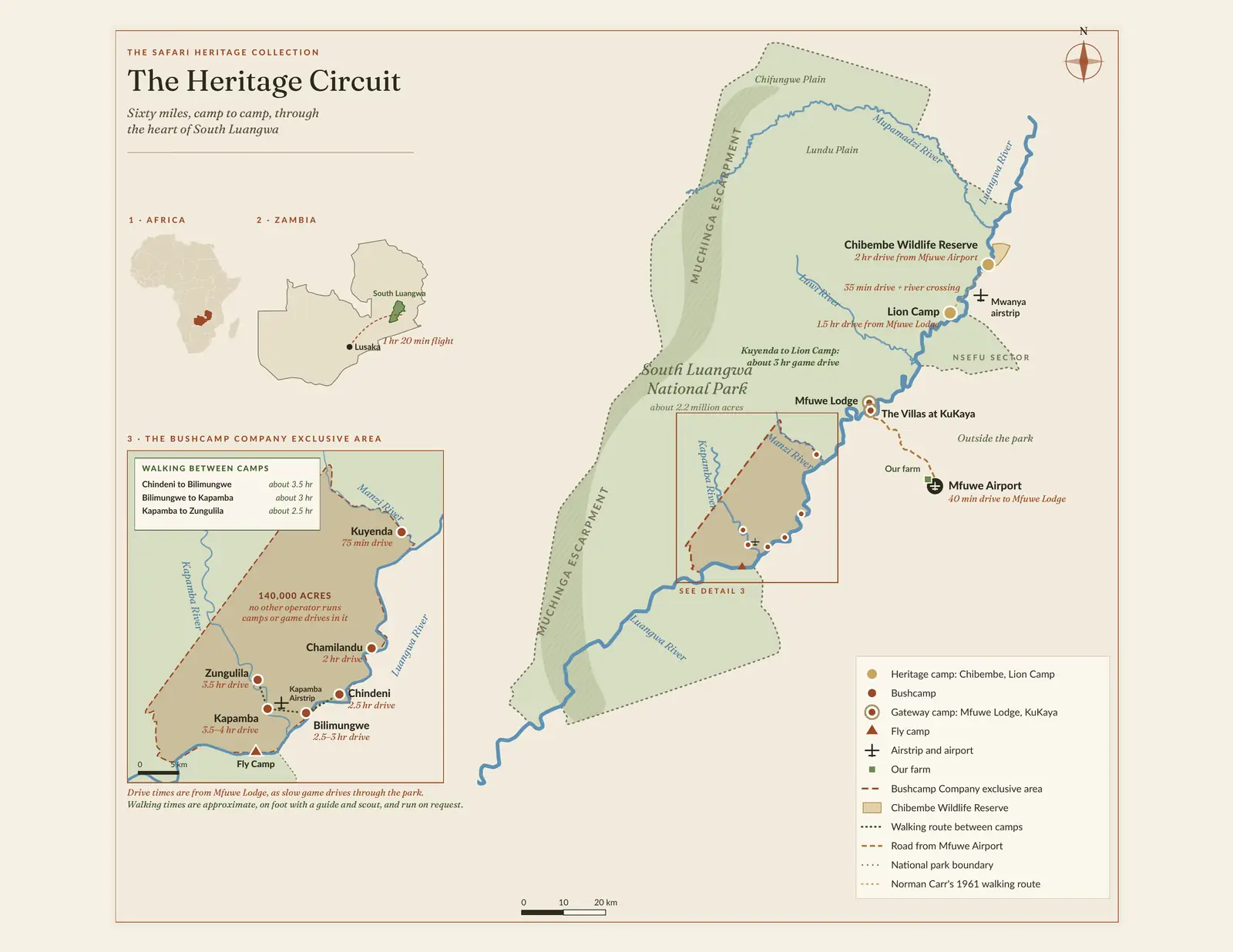
Map of the Heritage Circuit in South Luangwa, Zambia: the ten camps of the Safari Heritage Collection, from Chibembe and Lion Camp in the north to the gateway lodges at Mfuwe and six bushcamps in the 140,000-acre exclusive area in the south, with drive and walking times.

Download the map (PDF) ↓

Staying at Chibembe

The whole reserve, for your party.

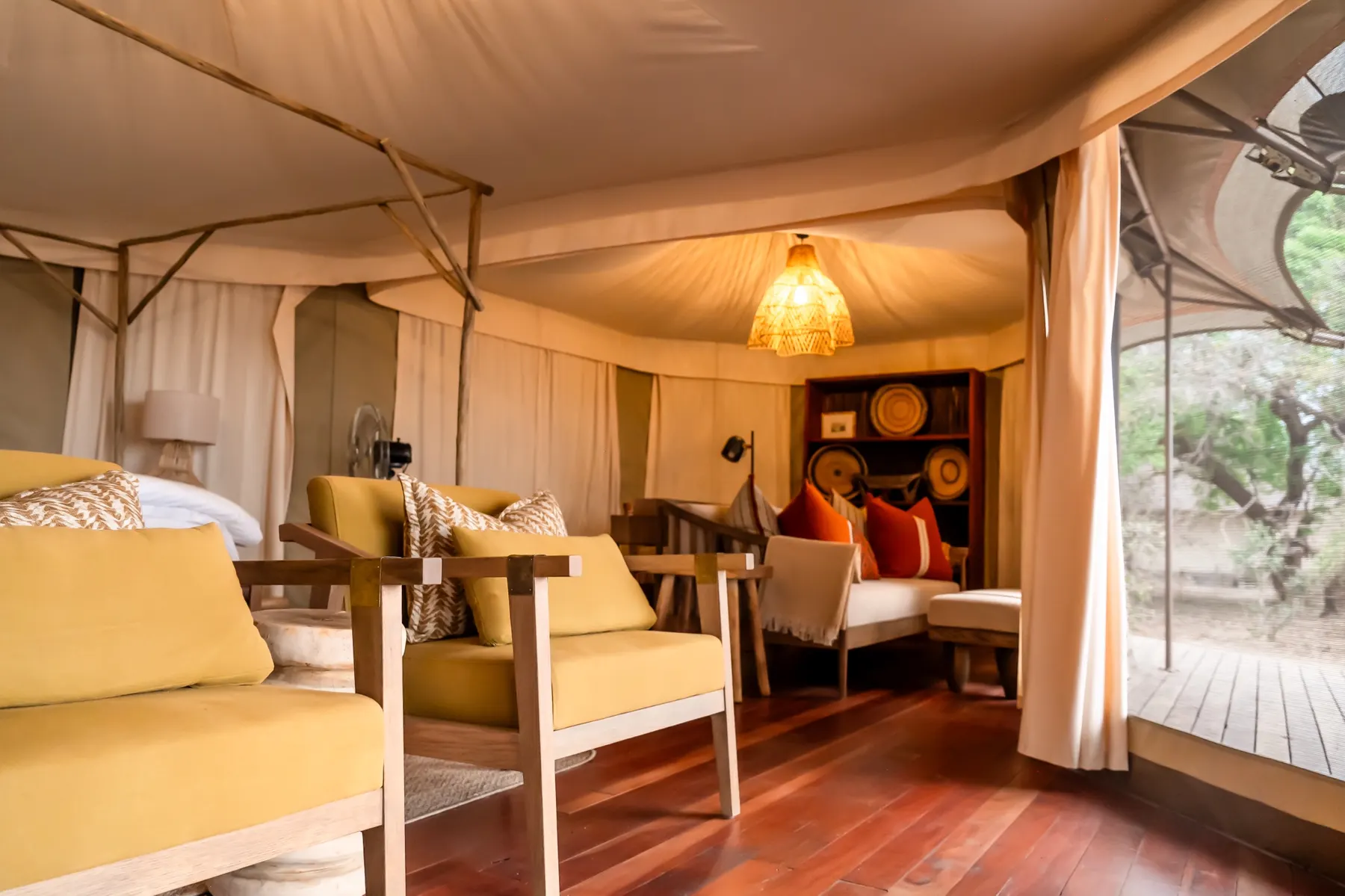
Inside a tented suite at Chibembe: mustard armchairs before the four-poster bed A copper basin and mirror at the vanity of a tented suite at Chibembe The four-poster bed in a tented suite at Chibembe, white linen beneath a woven pendant light
In short
  • Four tented suites: three on the Luangwa, one on the back lagoon: eight guests in comfort, up to seventeen for a family.
  • Never shared. The guide, the vehicle, the boat and the reserve are yours.
  • The family’s own private reserve, opened to guests by personal arrangement, no more than six times a year.
  • Five nights minimum: walks on the reserve, boat crossings into the park, drives by day and after dark.
  • Also the final stretch of the Heritage Journey, on set dates.

Four tented suites stand on timber decks: three on the Luangwa, the fourth on the back lagoon, each with its own deck and bathroom and a view across the floodplain. Eight guests stay in comfort, and because the camp was built for a family, it flexes to as many as seventeen. There is never anyone else in camp: the guide, the vehicle, the boat and the reserve are yours.

A private reserve, not a lodge. Chibembe is the Robertson family’s own place in the valley, built for the family and kept as a private reserve. A few times a year it is opened to guests, and they live as the family does: their own pace, every activity when they want it, and no one to meet when they set out. It is the valley as it used to be, people and wildlife living side by side.

By private arrangement. Chibembe hosts no more than six private stays a year, which is what keeps the reserve as quiet as the day Carr’s guests first crossed. If it is the stay you have been dreaming of, tell us. Every stay is arranged personally, and it begins with a conversation about who is coming and what you hope to find. Chibembe is also the final stretch of the Collection’s Heritage Journey, offered on set dates each season.

Two or a whole family. The reserve is never shared, whether there are two of you or three generations. It is priced for the whole camp rather than by the room, and rates are shared once a stay is being arranged.

Why five nights. The reserve rewards time: walks on the private land, boat crossings into the national park, a day exploring the park’s Nsefu Sector, drives along the channel by day and after dark, and days when you simply stay put and let the river come to you.
A day at Chibembe
  • Dawn. Coffee by the fire, then a walk or drive on the reserve.
  • Late morning. Brunch on the deck above the riverbed.
  • Afternoon. Rest, or a boat crossing into the park.
  • Evening. Sundowners on the sand, a night drive along the channel, dinner under the stars.
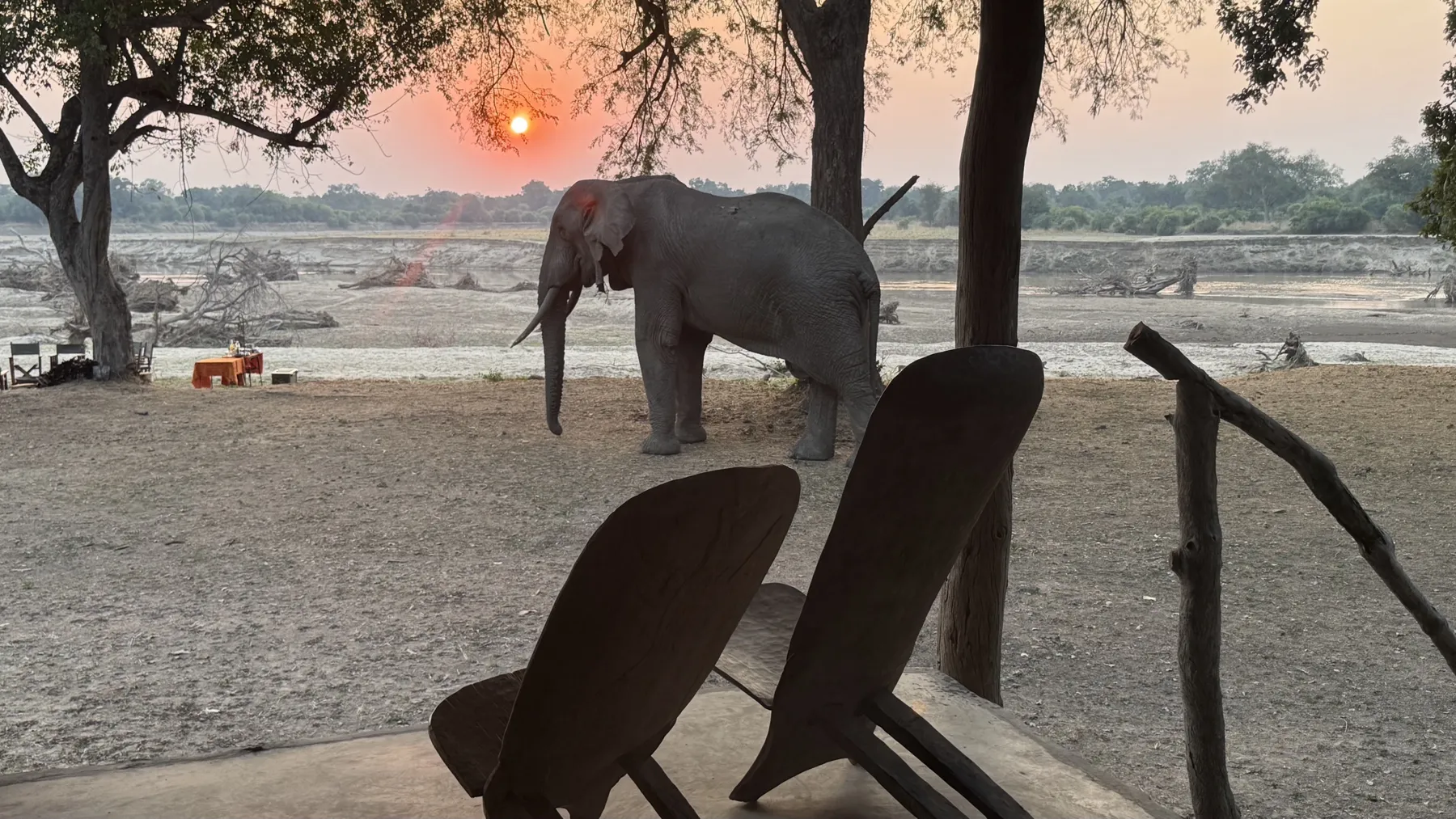
An elephant bull in camp at Chibembe at sunset, two carved chairs on the deck and breakfast laid out on the riverbank
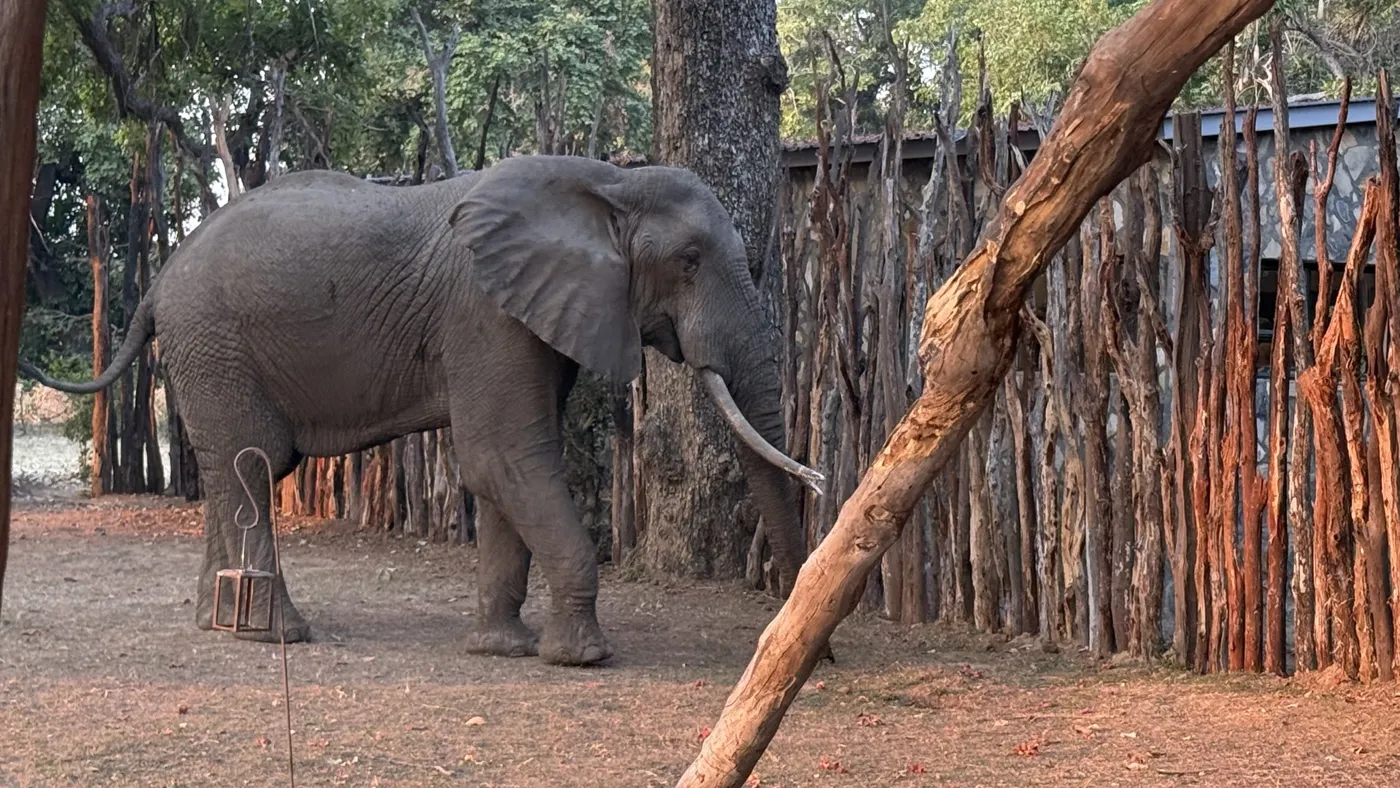
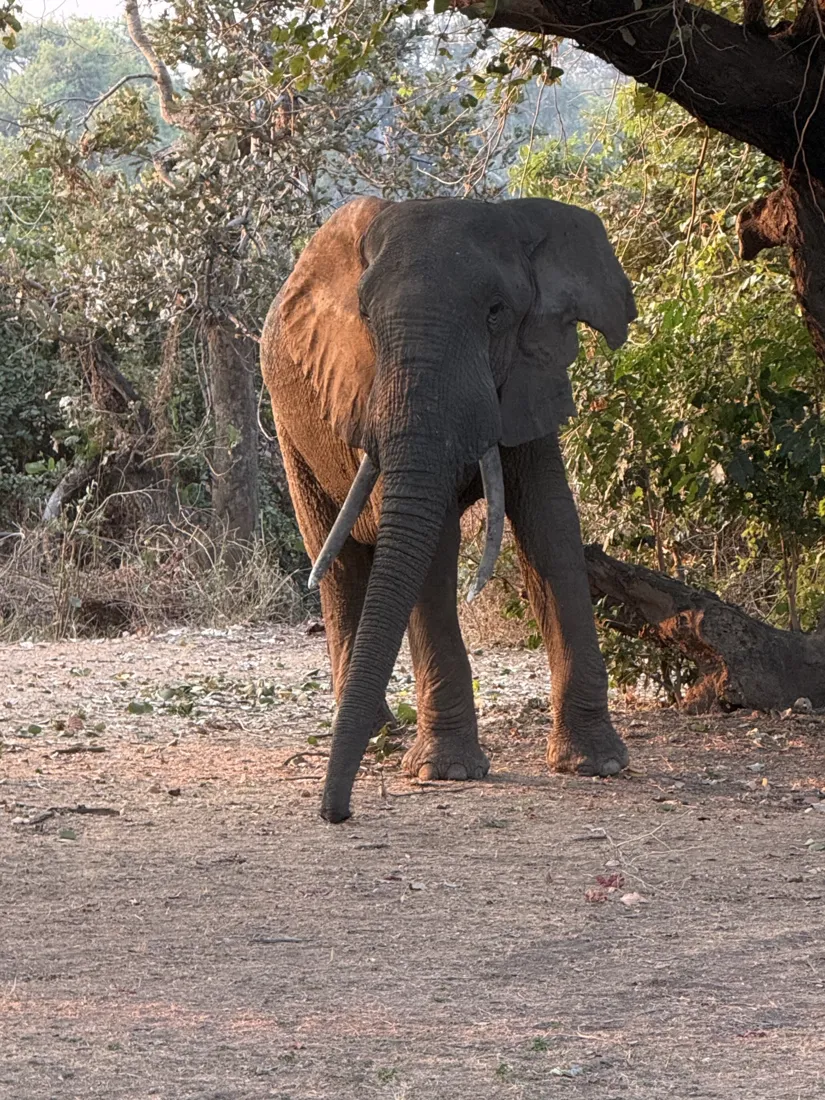
An elephant bull facing the camera beneath the trees in camp at Chibembe An elephant walking past the pole fence of the boma at Chibembe
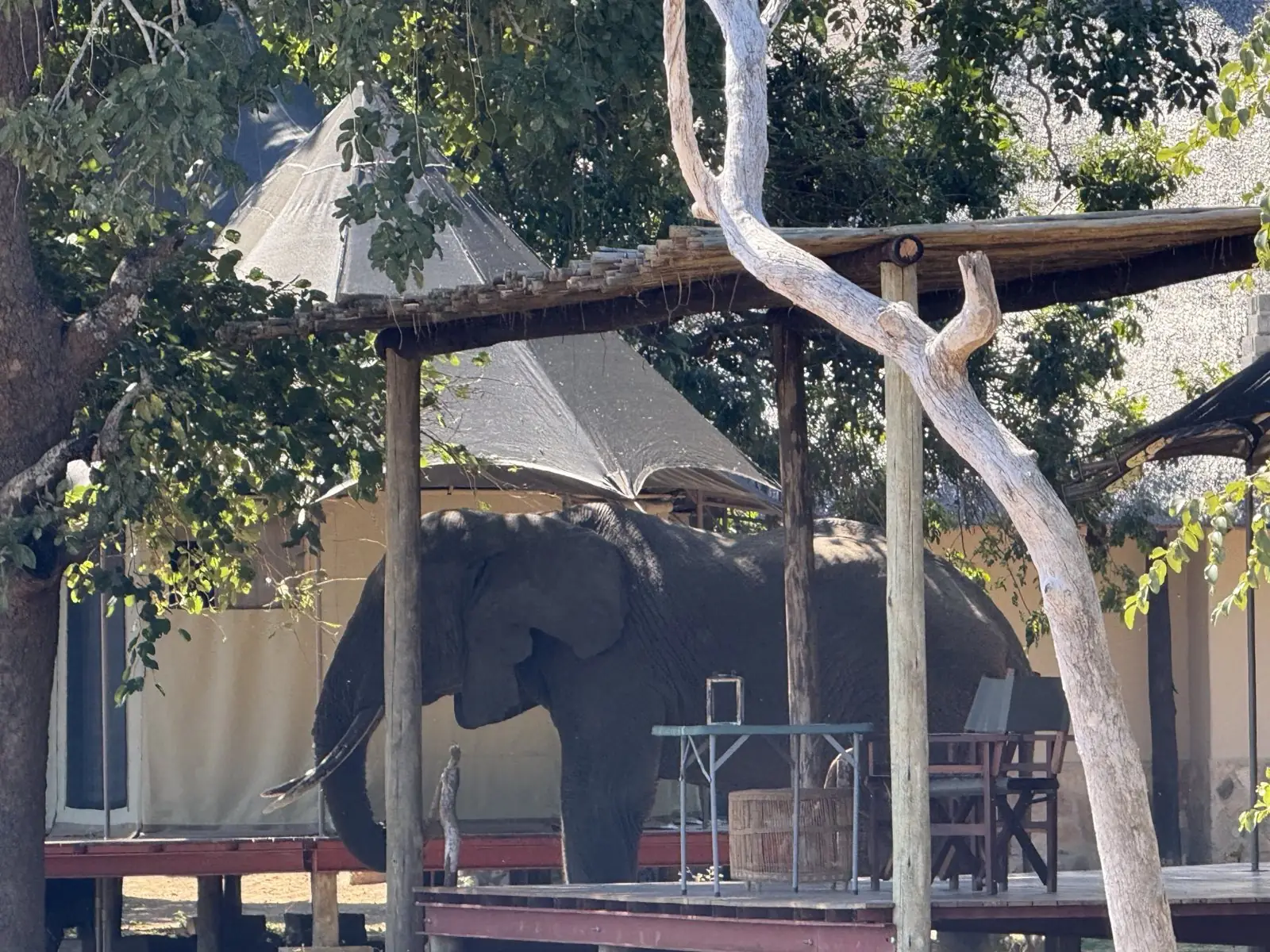
Visitors at Chibembe. The elephants walk through camp as if it were theirs, which it is.

Filmed from the deck of the lagoon tent, early one August morning: a lion walking in across the back lagoon. No vehicle, no drive. Just the view from your door.
The Reserve

3,500 unfenced acres where the walking safari began, and no one else on them.

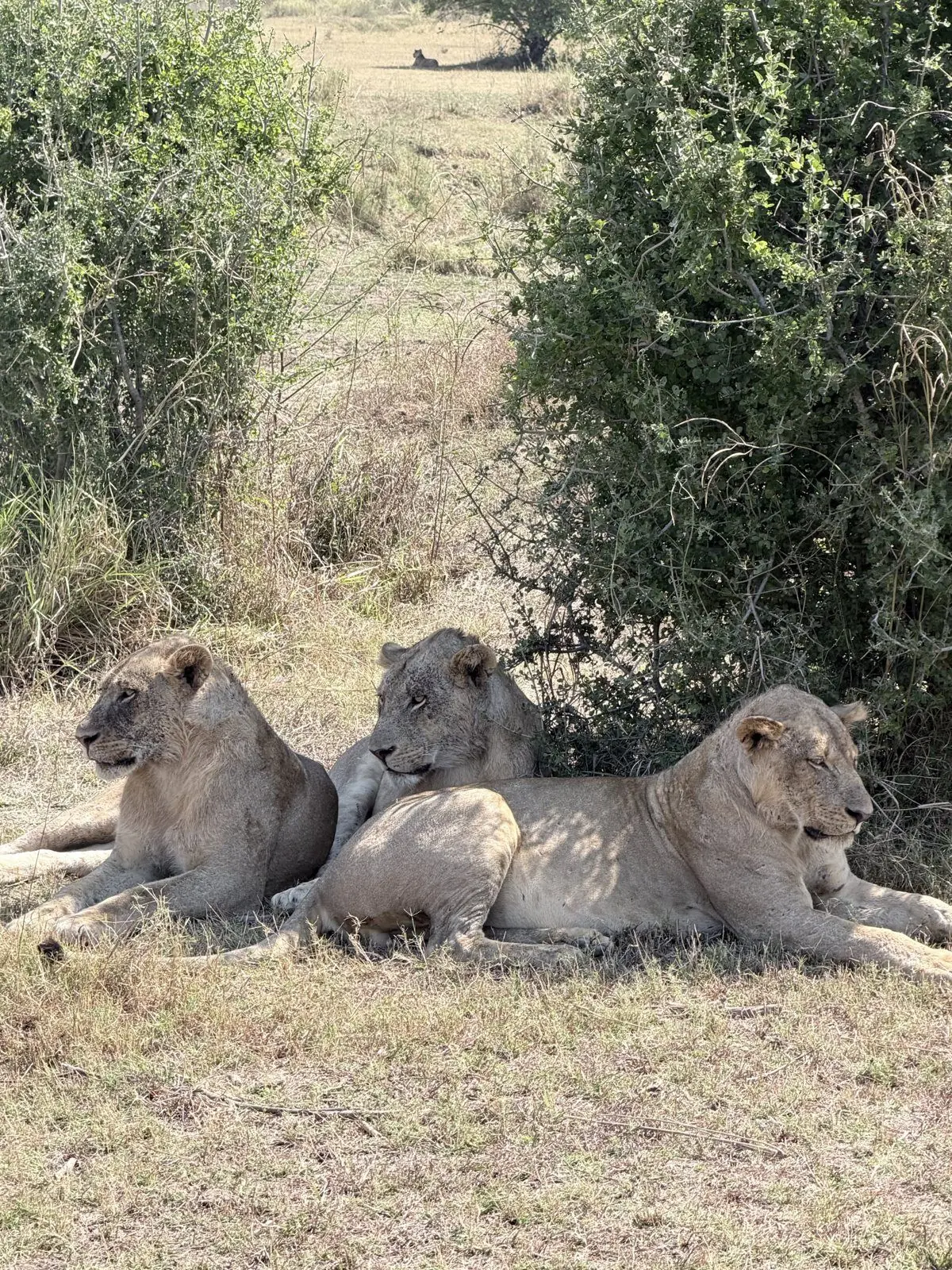
Young lions resting together in the shade at Chibembe, another lying out on the plain behind
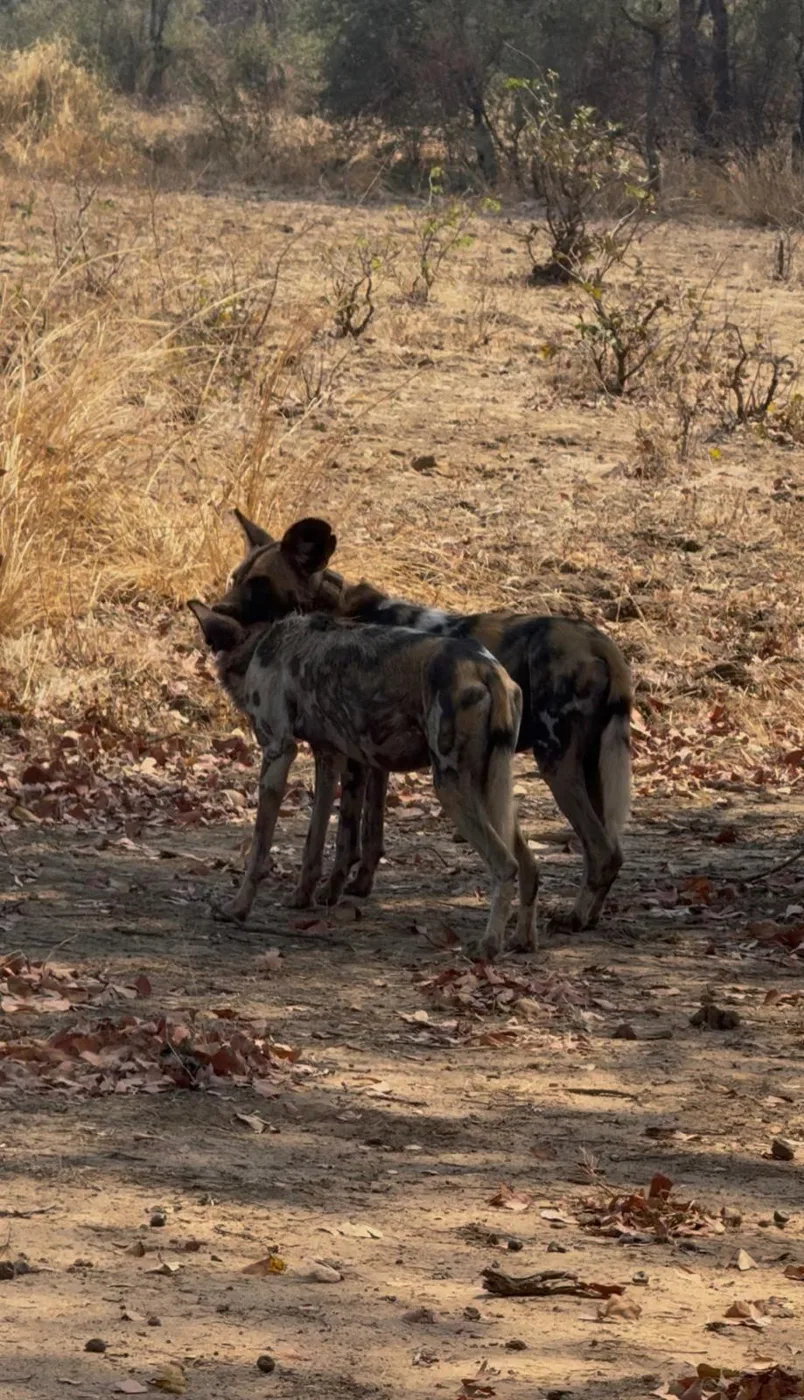
Two painted dogs greeting on the track by the back lagoon at Chibembe
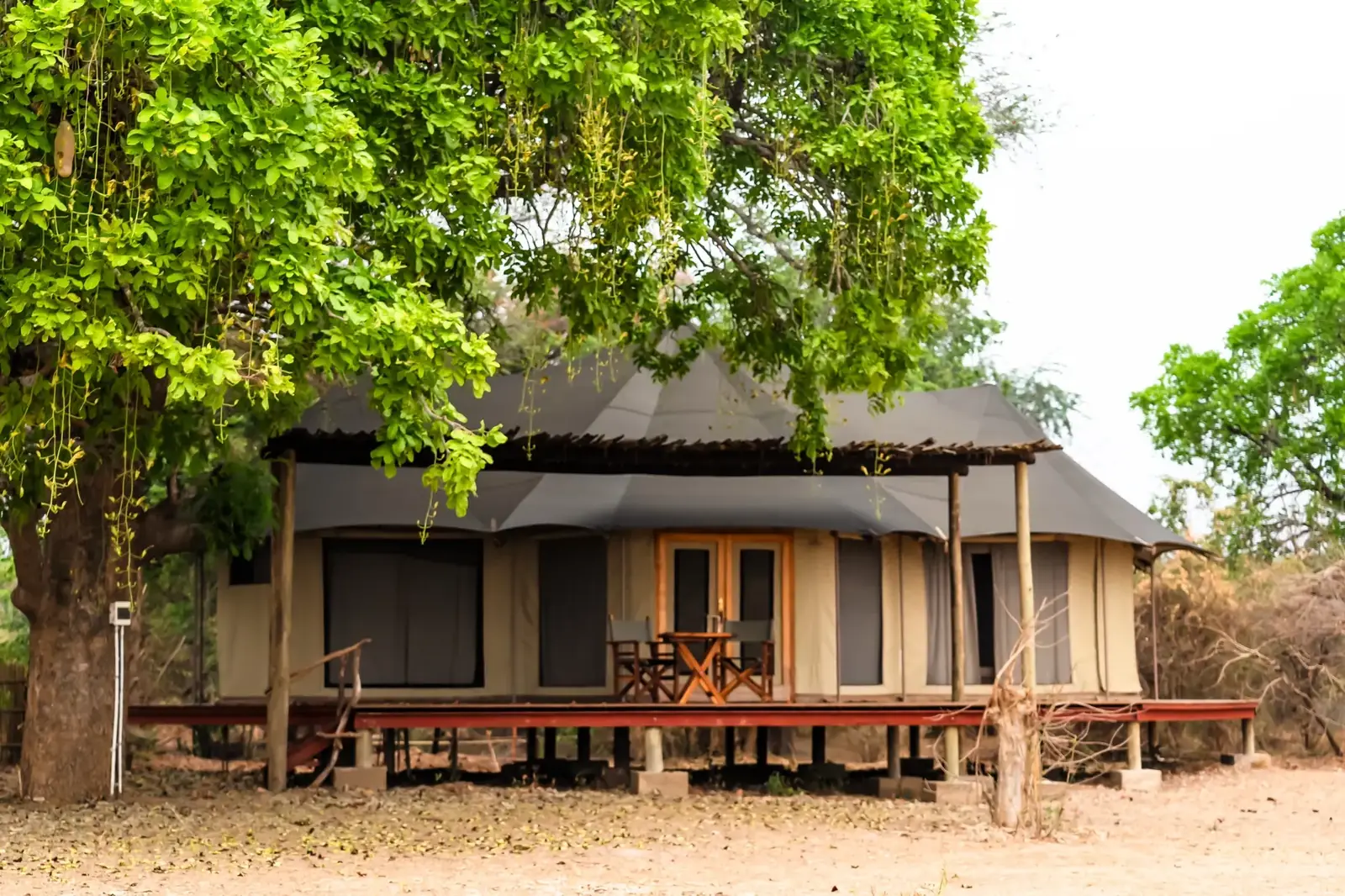
A tented suite at Chibembe on its raised deck beneath a sausage tree
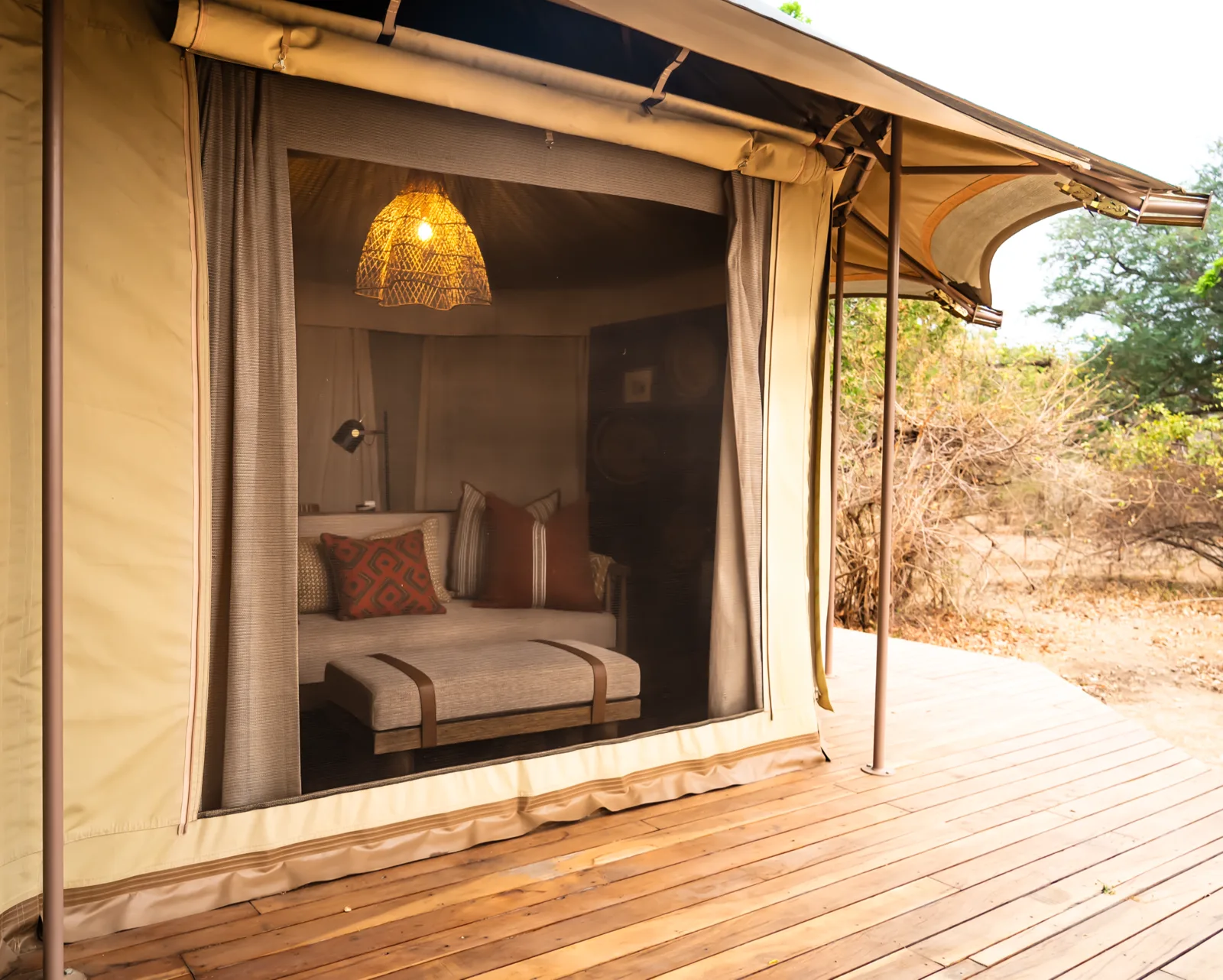
A tented suite at Chibembe from its deck, the canvas rolled up to a daybed beneath a woven pendant light
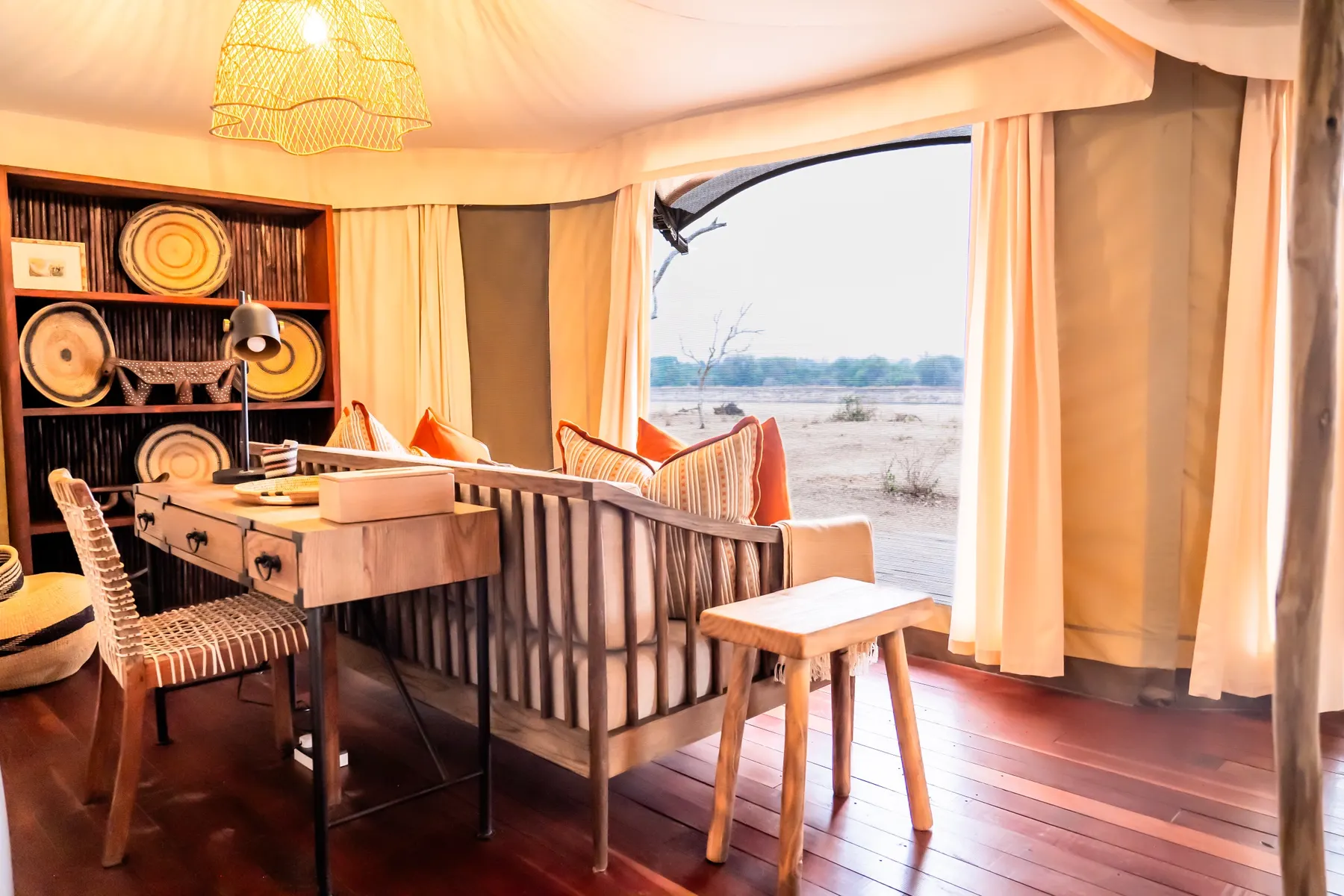
A writing desk inside a tented suite at Chibembe, the canvas rolled up to the river
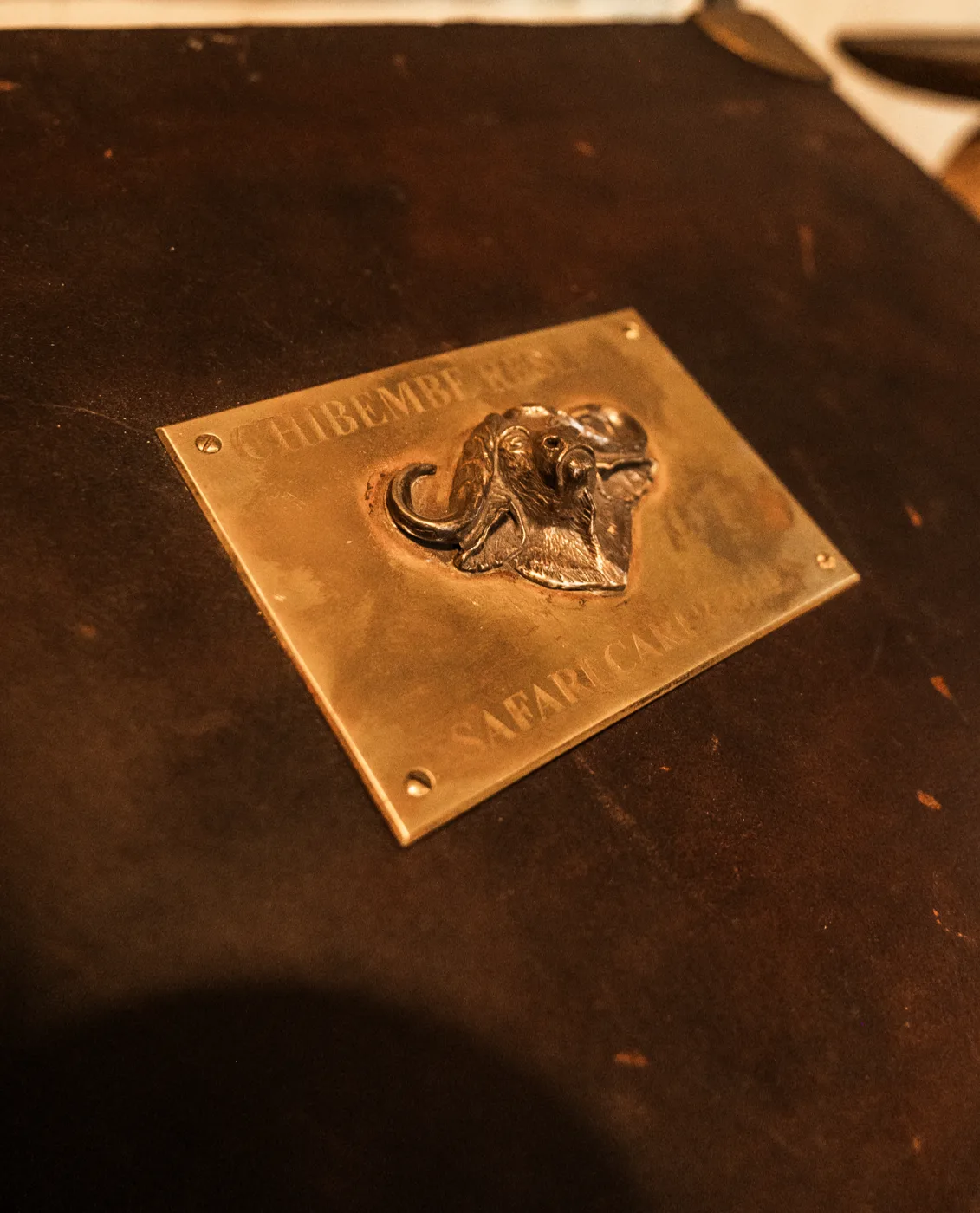
A brass Chibembe plate with a cast buffalo head, set into a leather-topped camp trunk
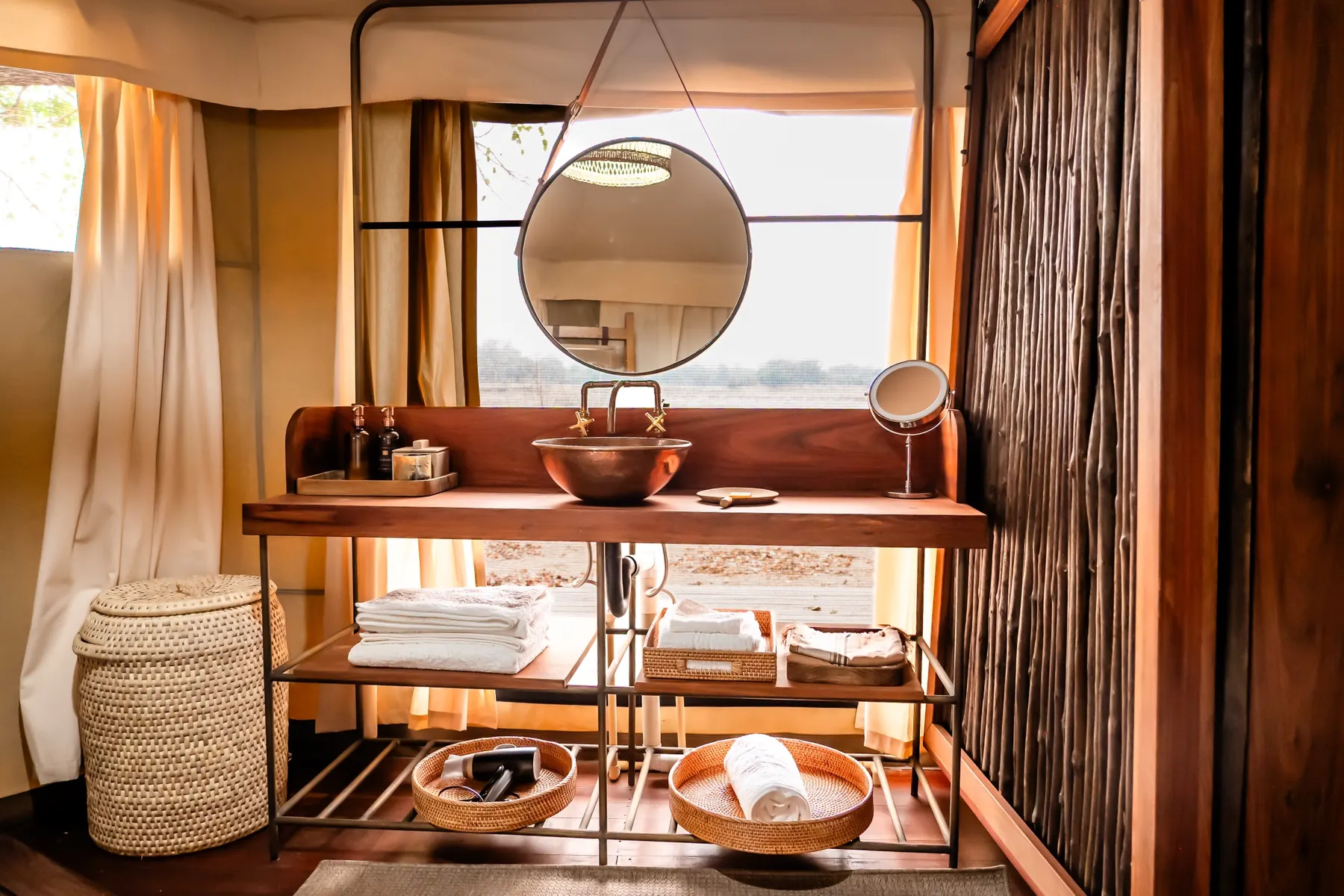
A copper basin and mirror at the vanity of a tented suite at Chibembe
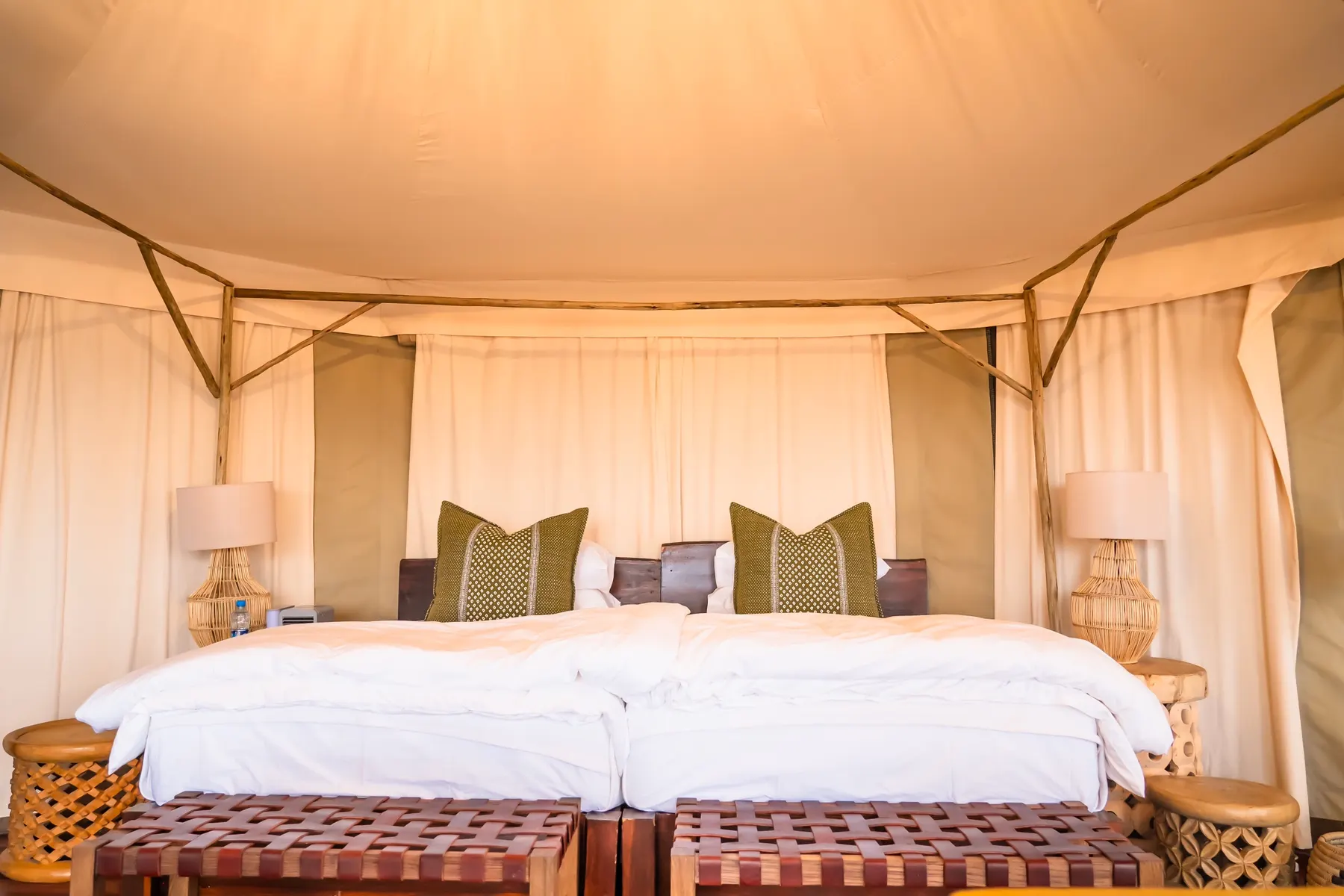
The four-poster bed in a tented suite at Chibembe, white linen beneath a woven pendant light
Guests in the lounge at Chibembe watching elephants with a calf on the lawn by the river
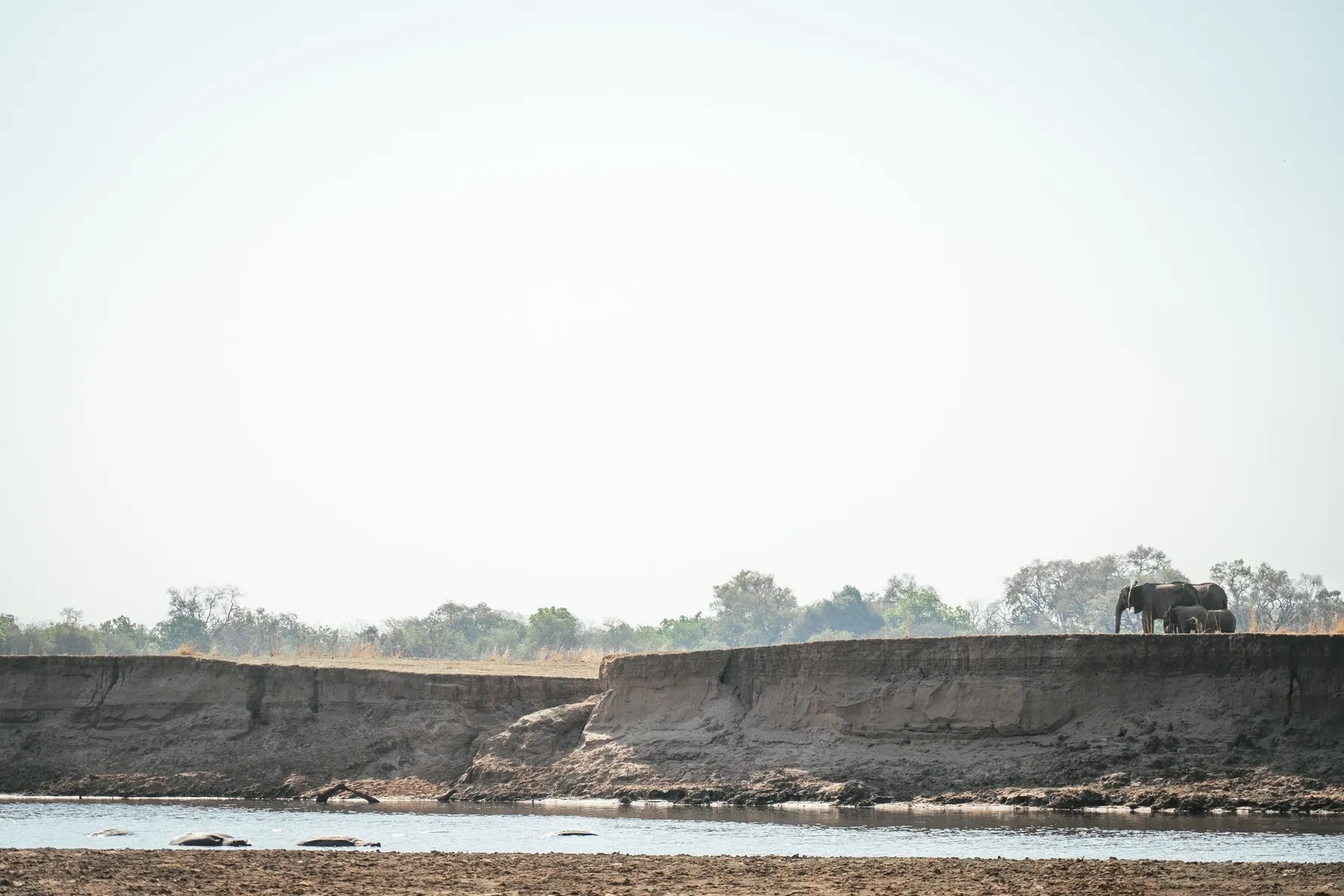
Elephants on the high riverbank above the Luangwa at Chibembe, hippos in the channel below
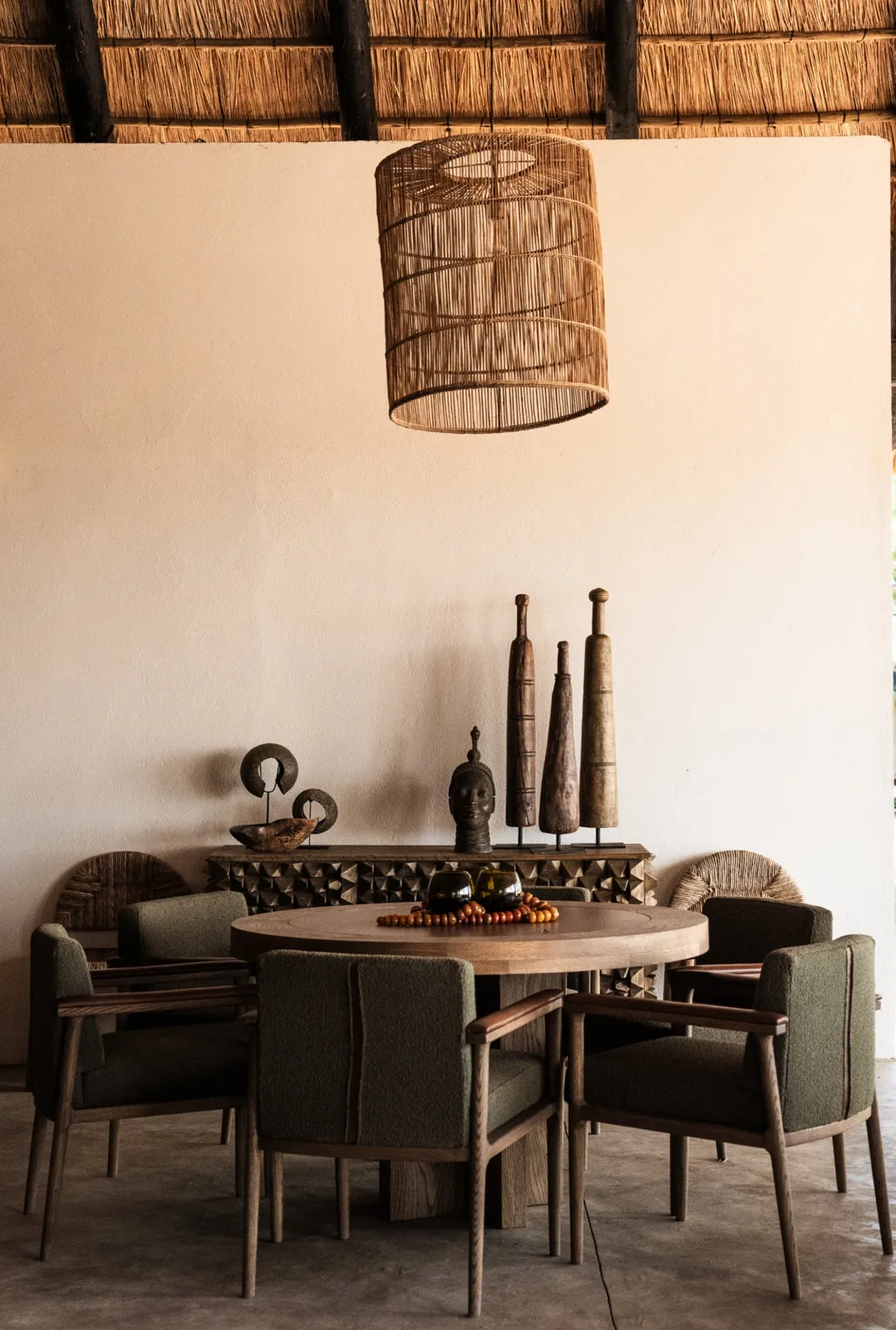
A round dining table and woven pendant light beneath the thatch at Chibembe, carved pieces on the console behind
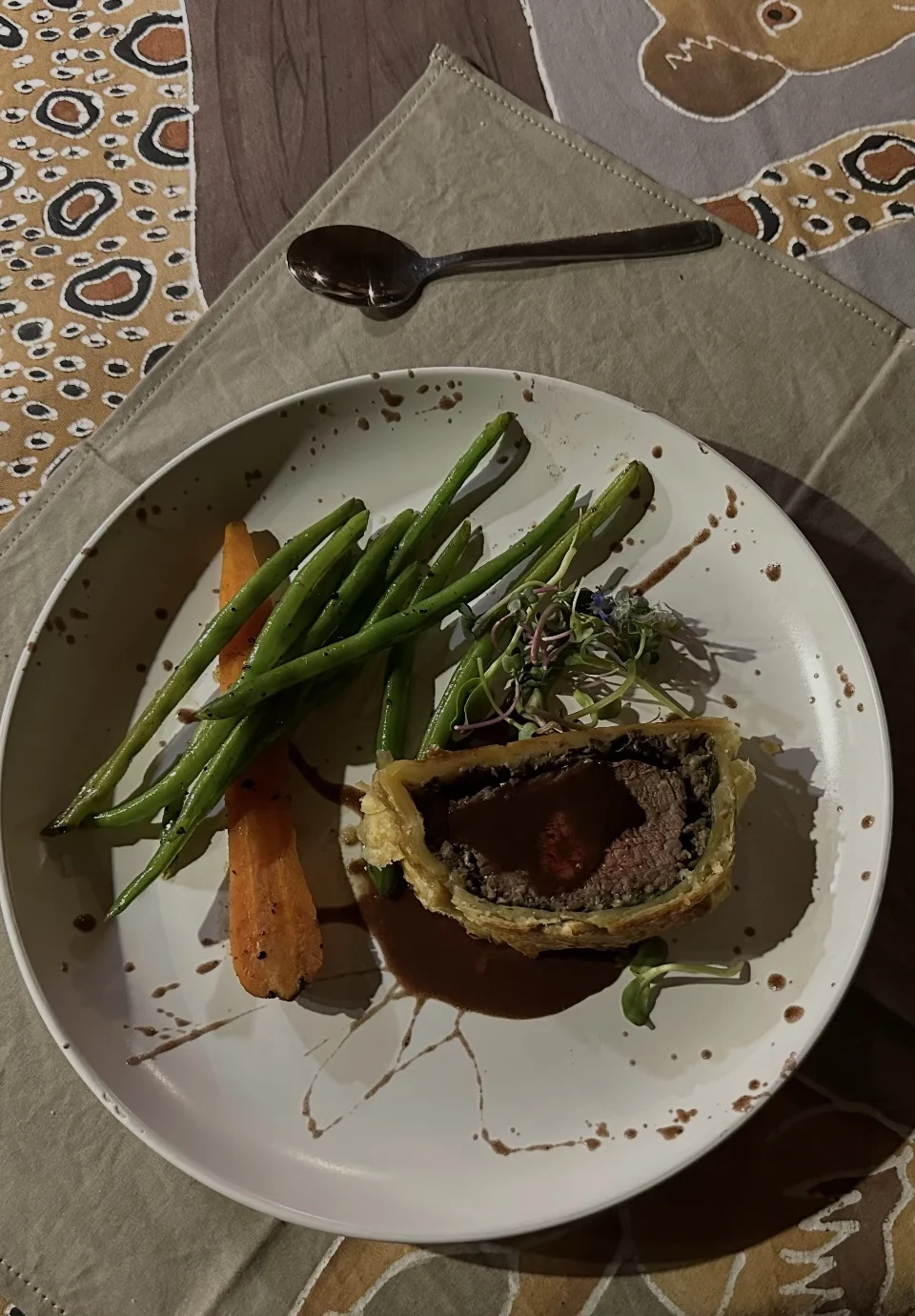
Dinner at Chibembe: beef Wellington with green beans and roasted carrot, plated at the table
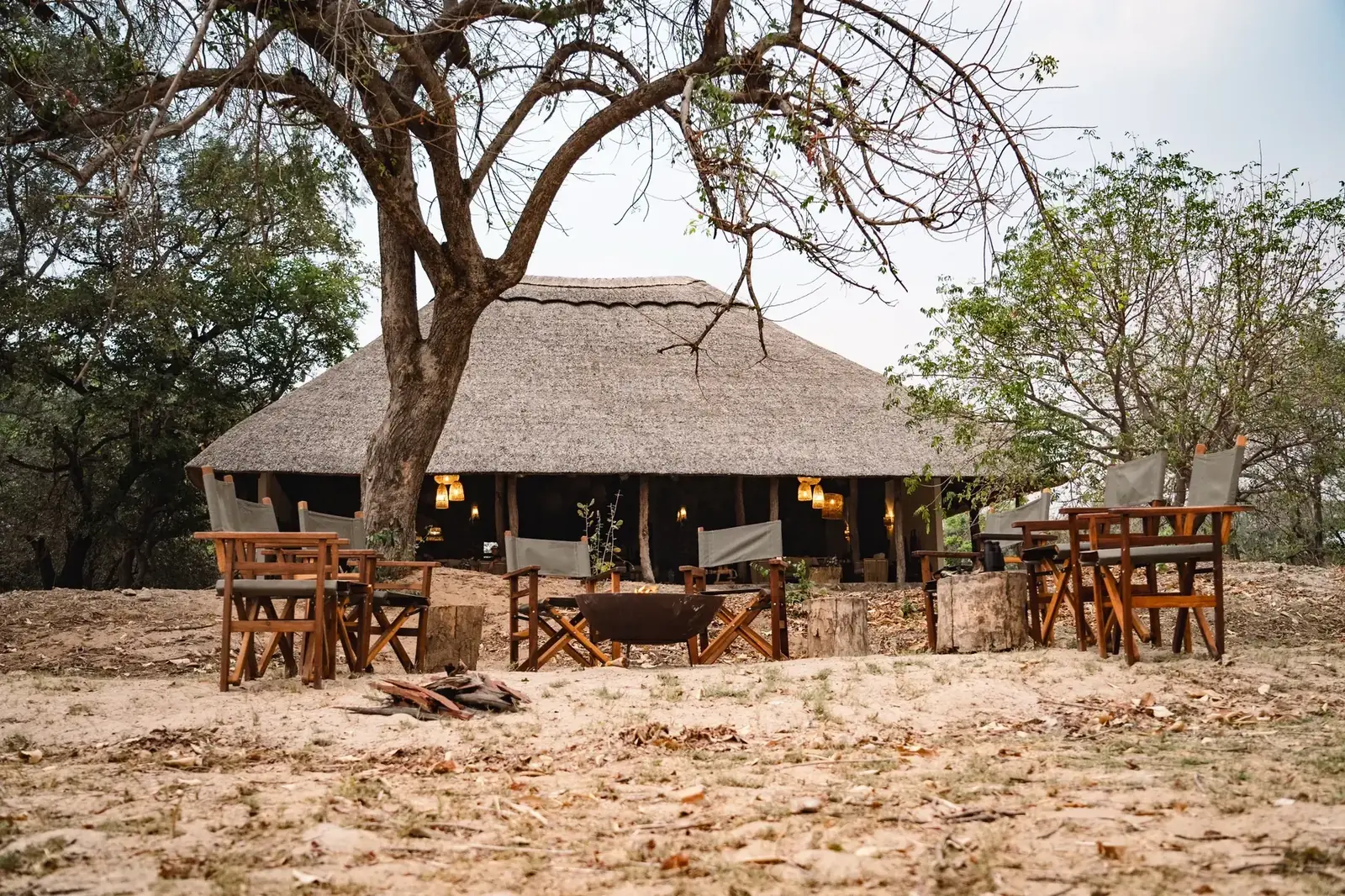
The thatched main lodge at Chibembe at dusk, safari chairs set around the fire
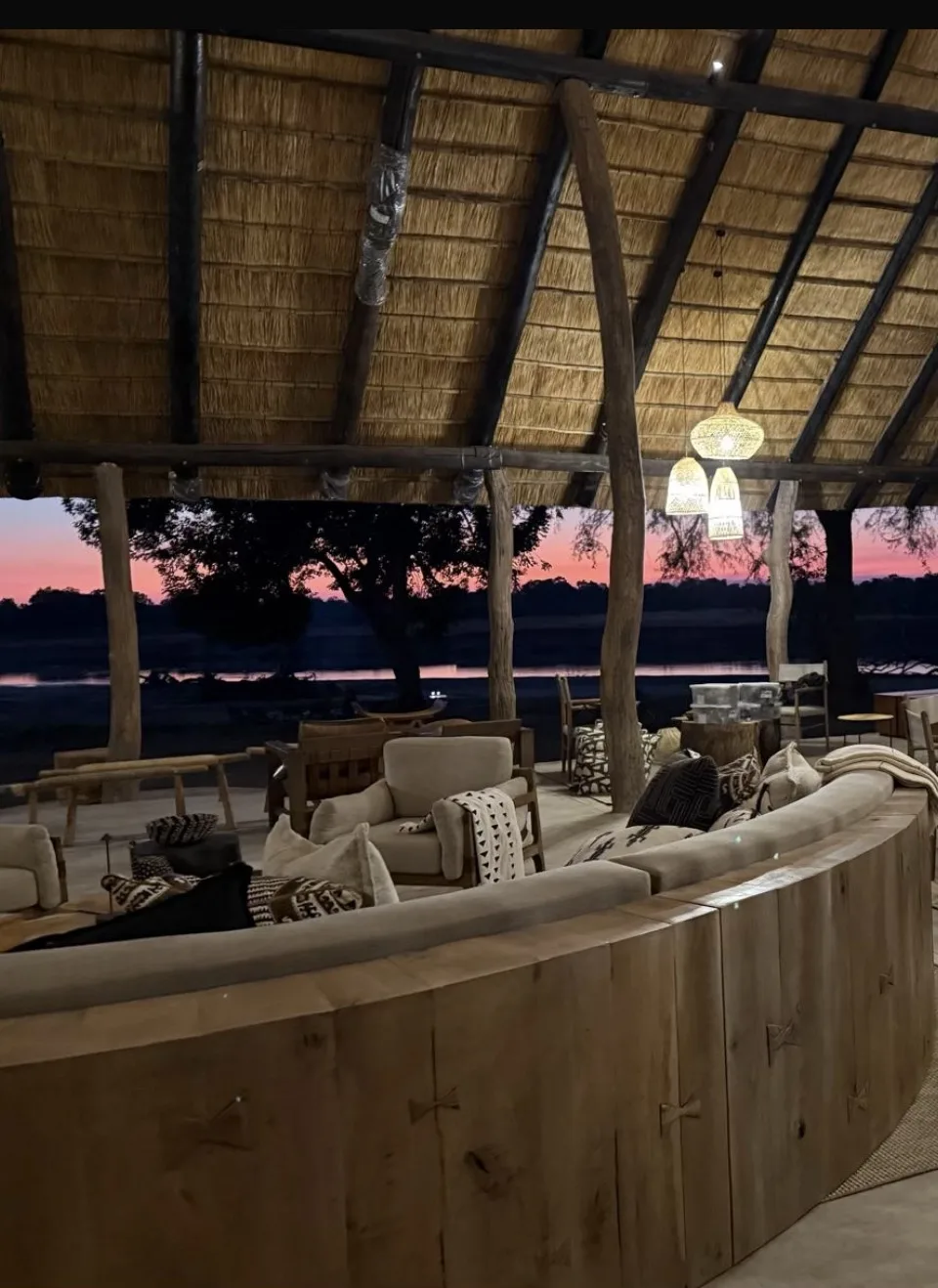
The main lounge at Chibembe beneath its soaring thatch, stone walls and clustered woven lanterns
An elephant crossing red leaf litter at Chibembe, seen from directly above
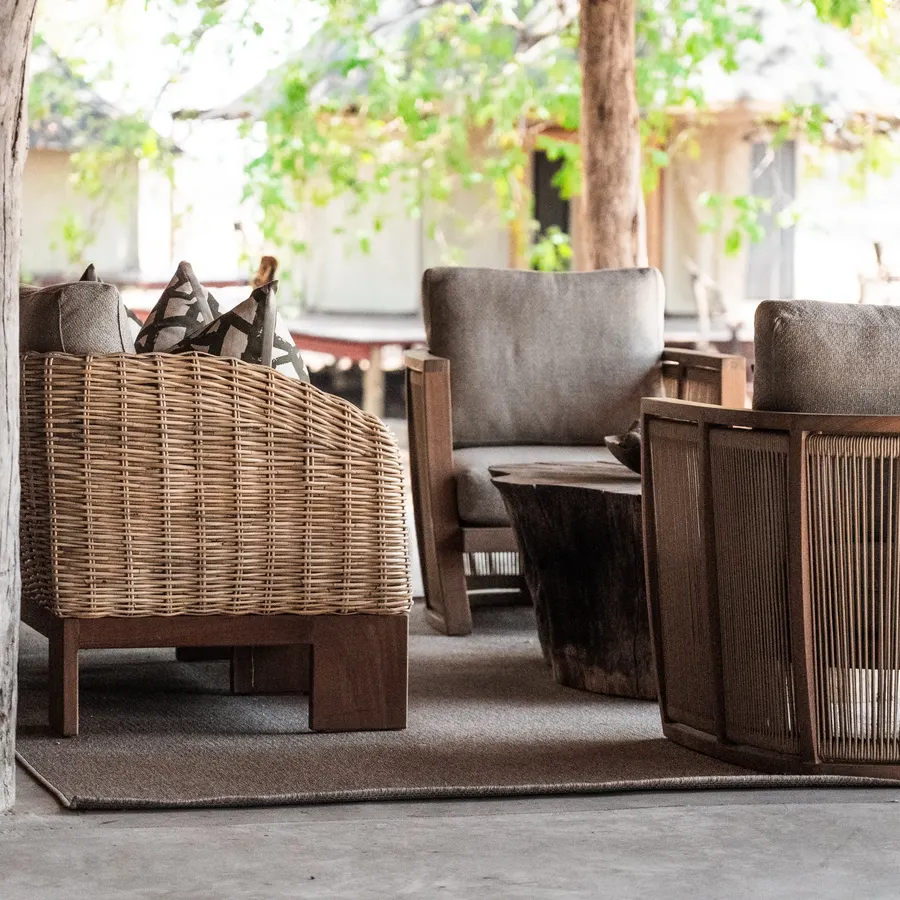
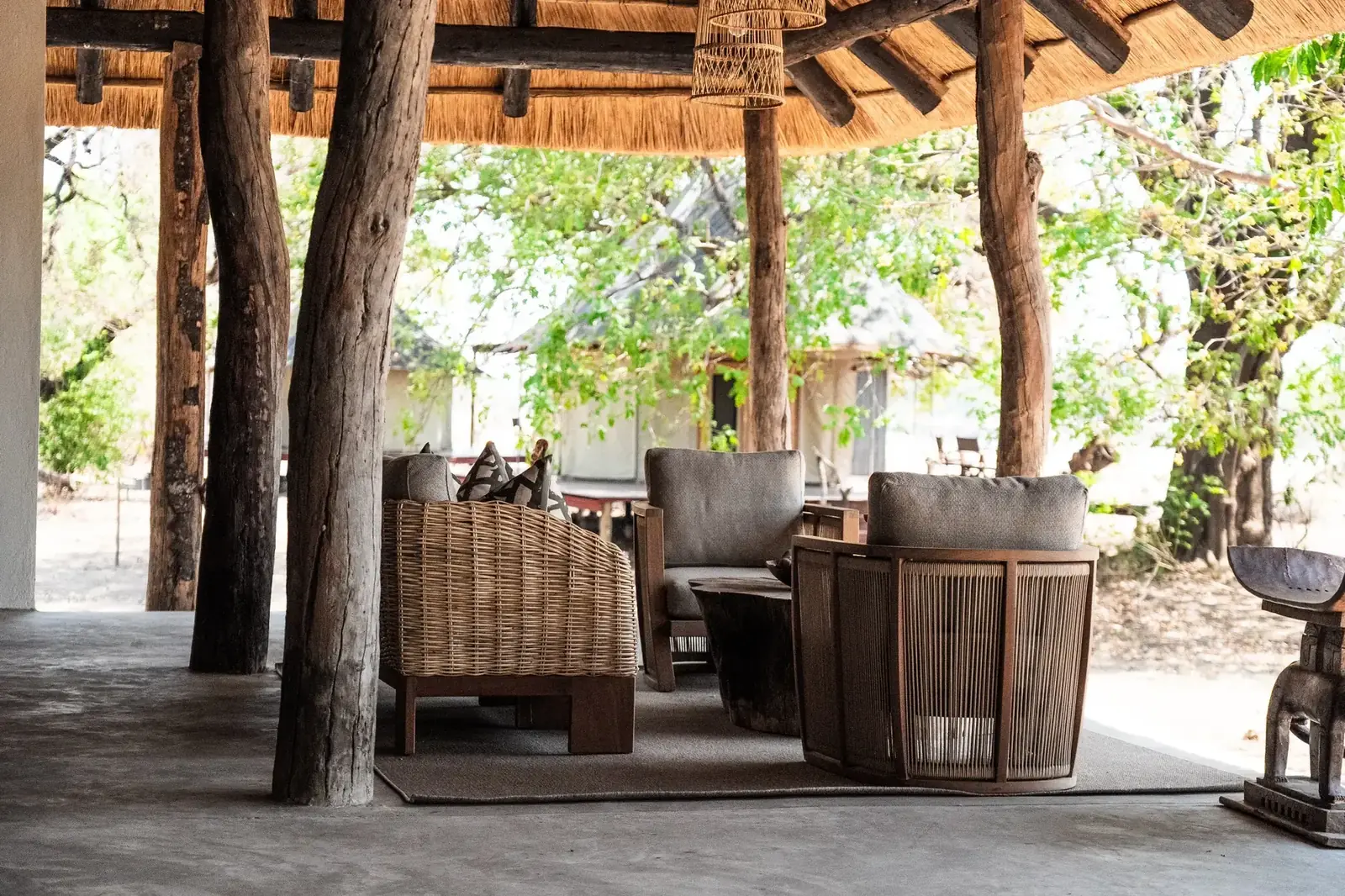
Wicker and rope armchairs on the shaded veranda at Chibembe, a tented suite beyond
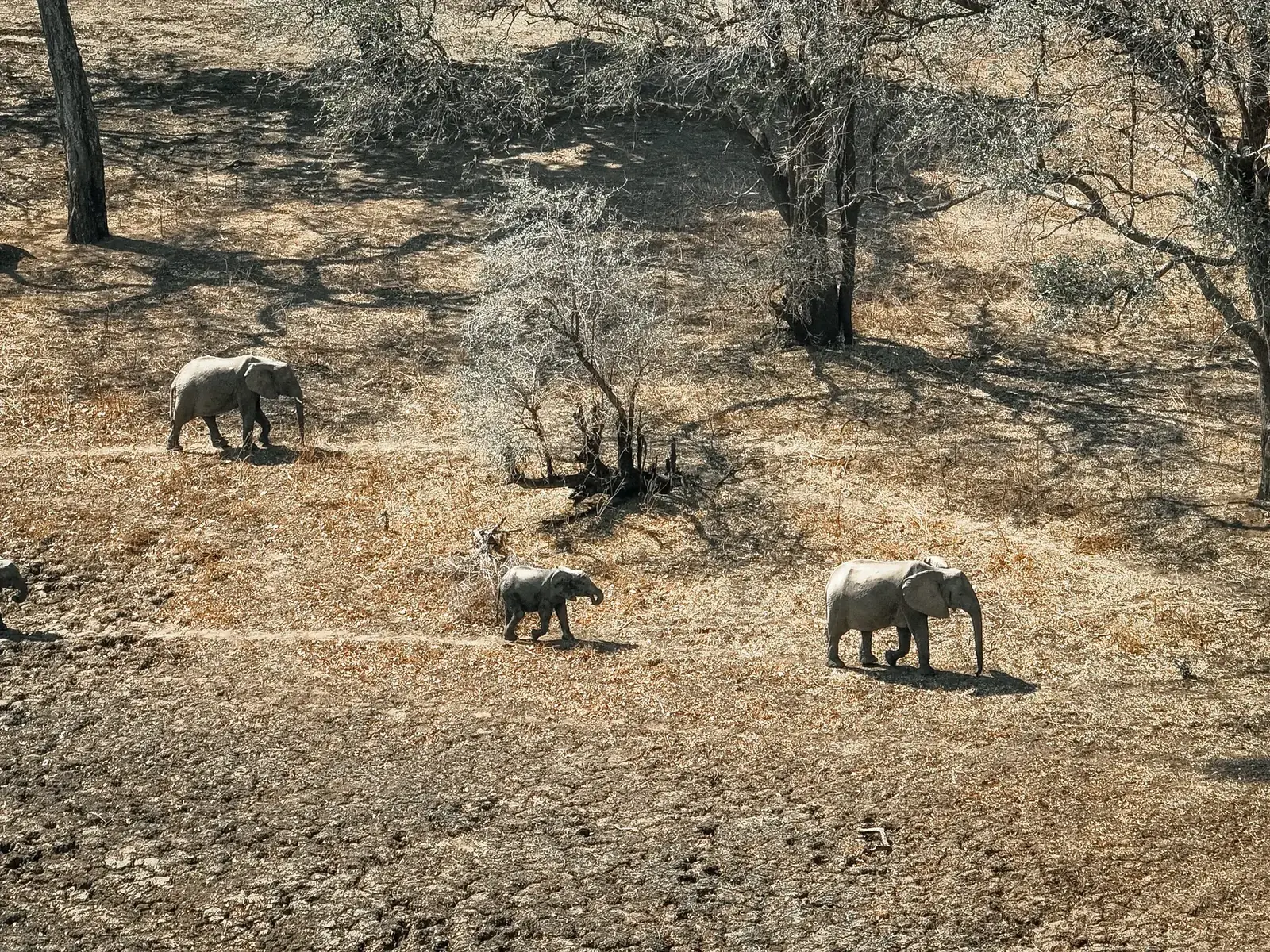
A family of elephants walking a game trail through the woodland at Chibembe, seen from the air
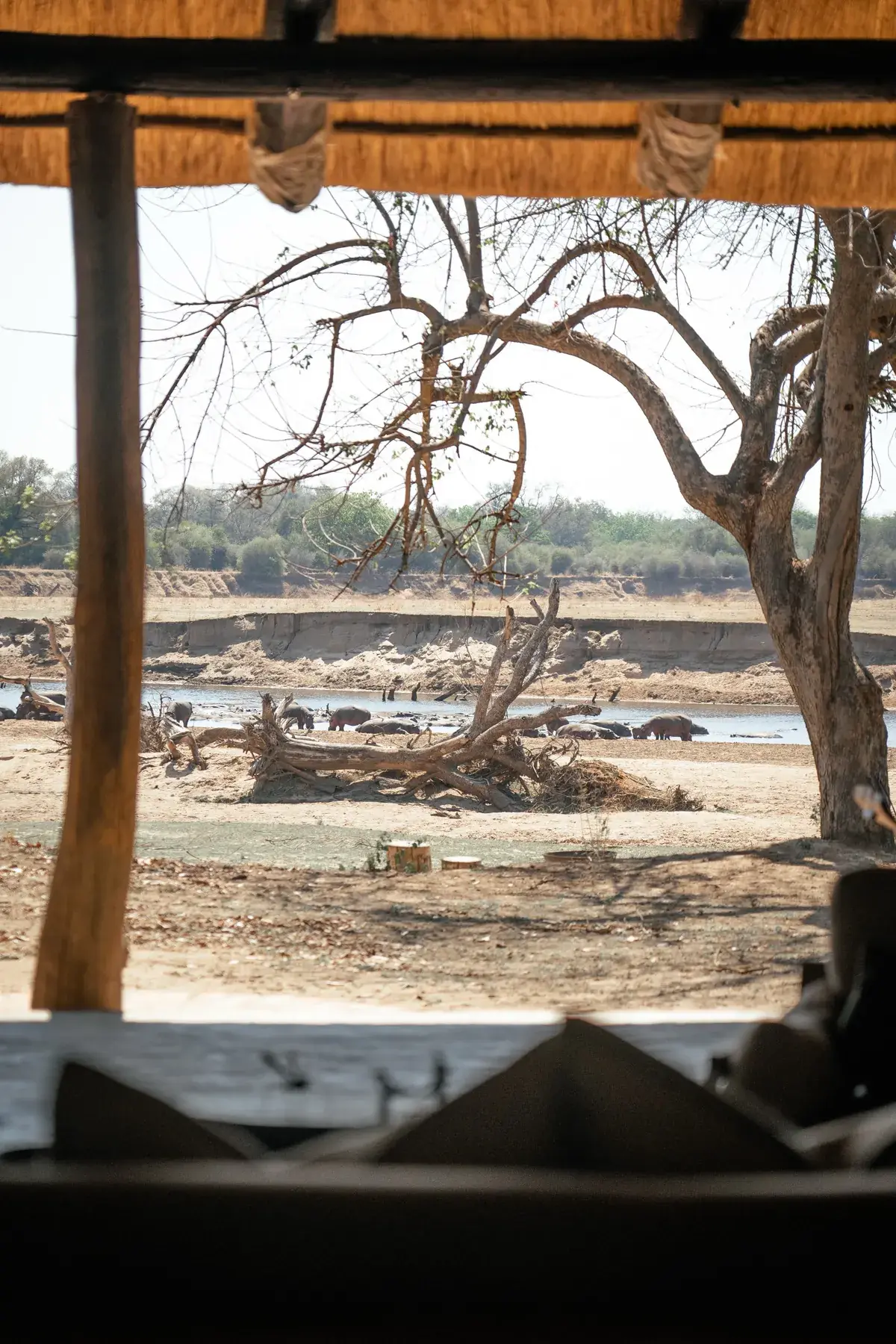
Hippos crowding the Luangwa, framed by the thatch of the lounge at Chibembe
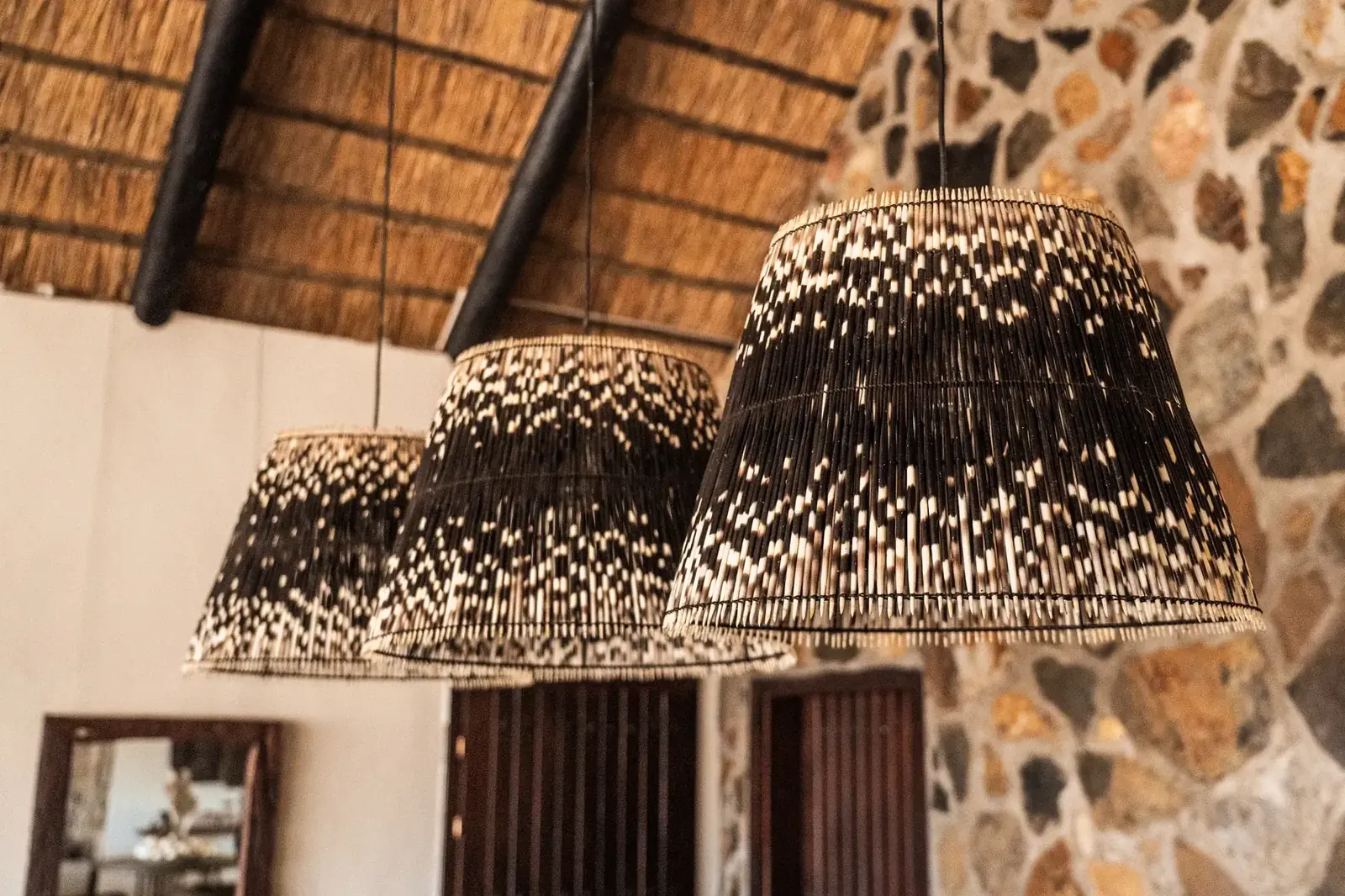
Porcupine-quill pendant lamps beneath the thatch at Chibembe
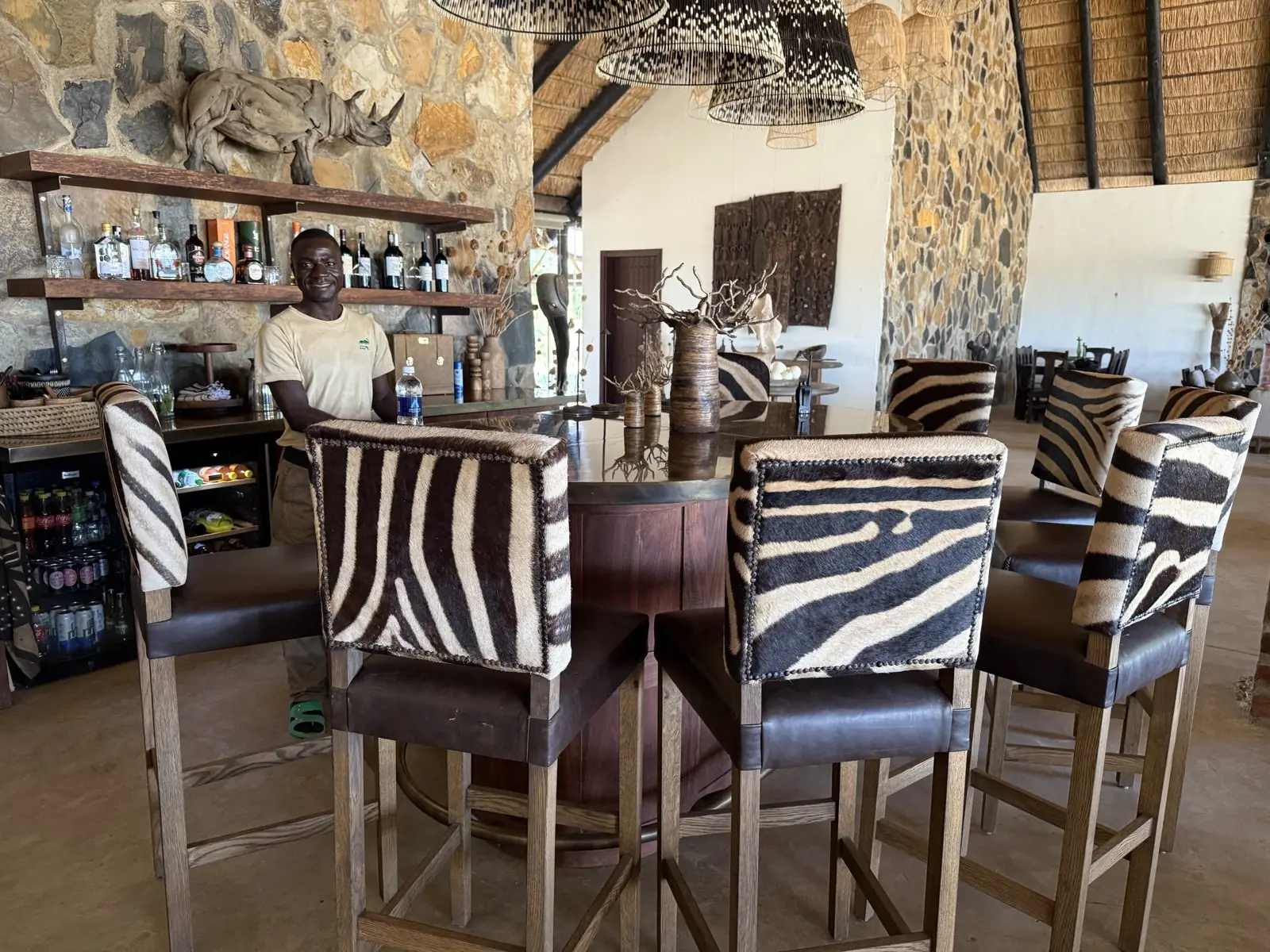
The bar at Chibembe: zebra-hide stools around a round bar, stone wall and driftwood rhino behind
The curved lounge at Chibembe beneath its thatch at dusk, the Luangwa glowing pink beyond
An elephant walking between the tented suites at Chibembe
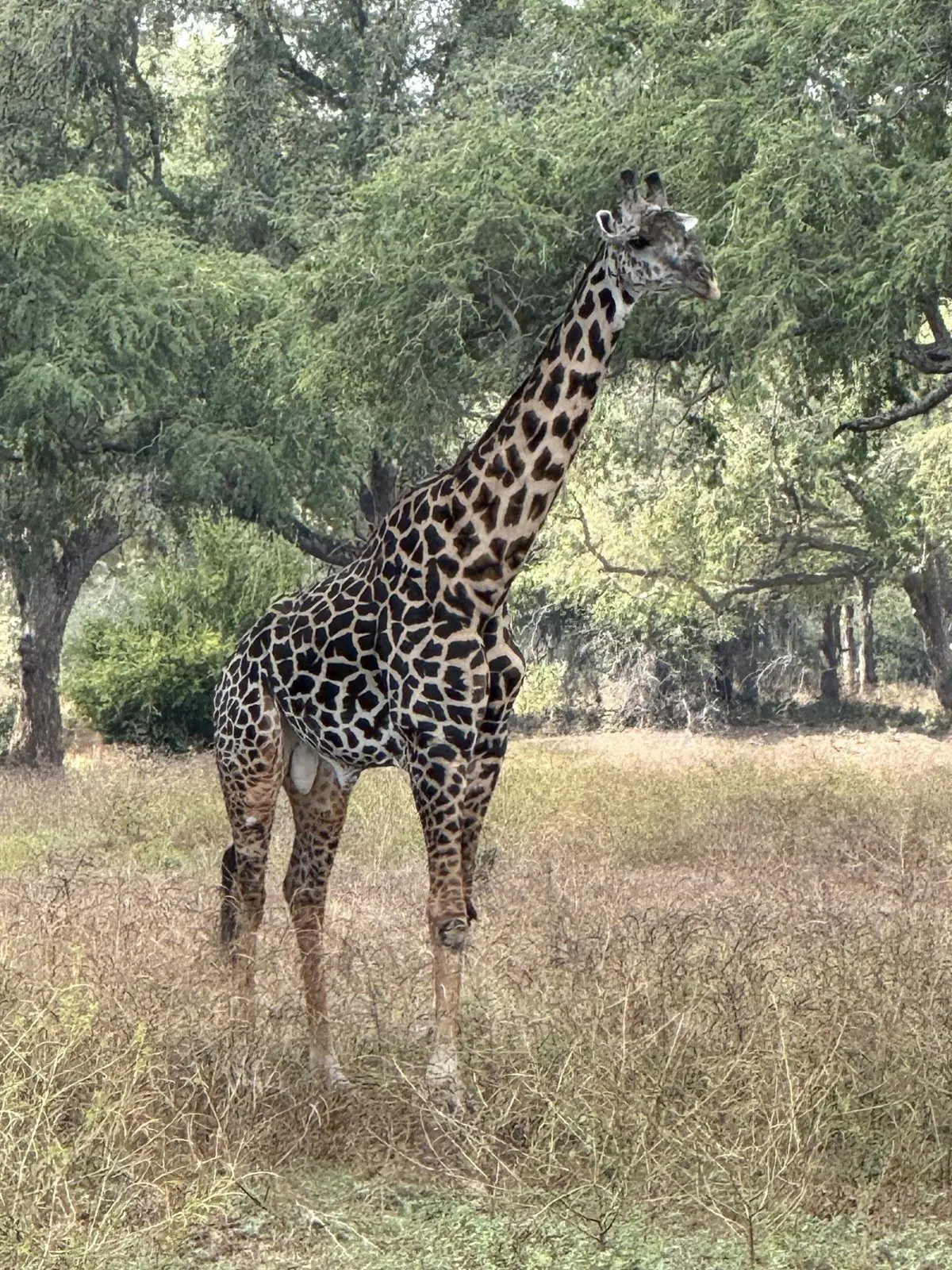
A Thornicroft’s giraffe, found only in the Luangwa Valley, standing in the woodland at Chibembe
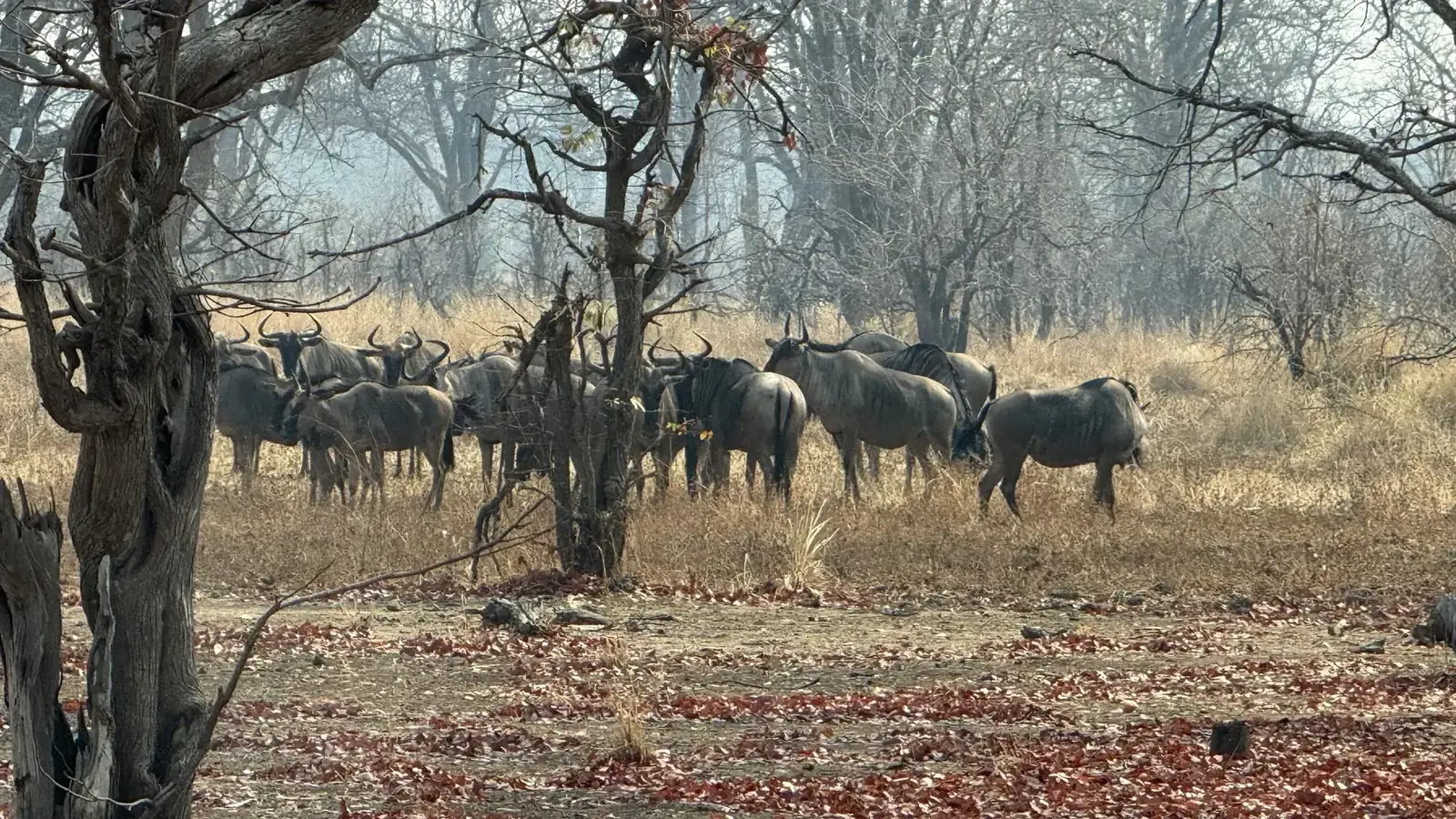
Cookson’s wildebeest, found only in the Luangwa Valley, at Chibembe late in the dry season
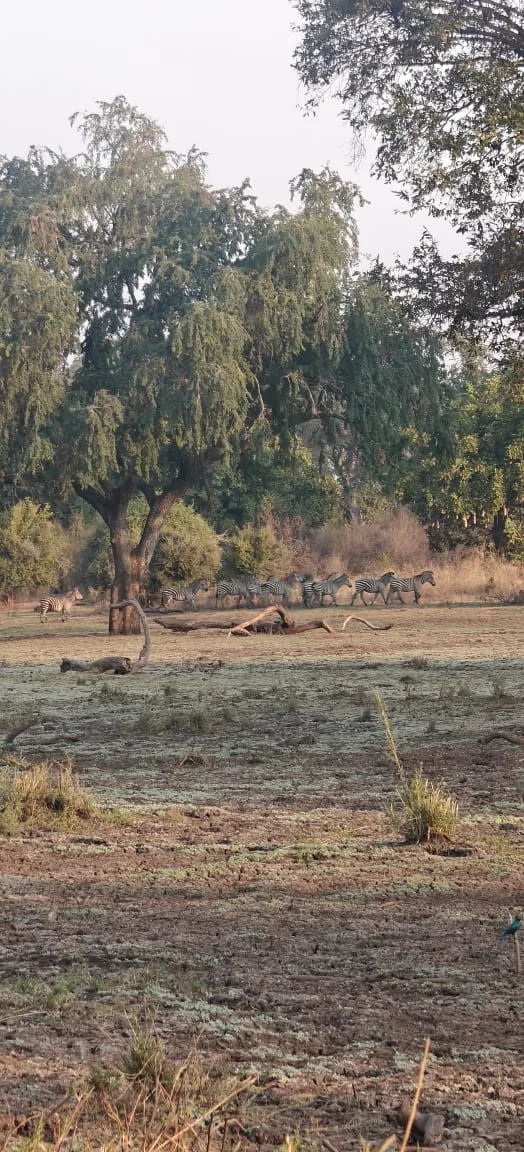
Crawshay’s zebra filing past a great tree at the back lagoon
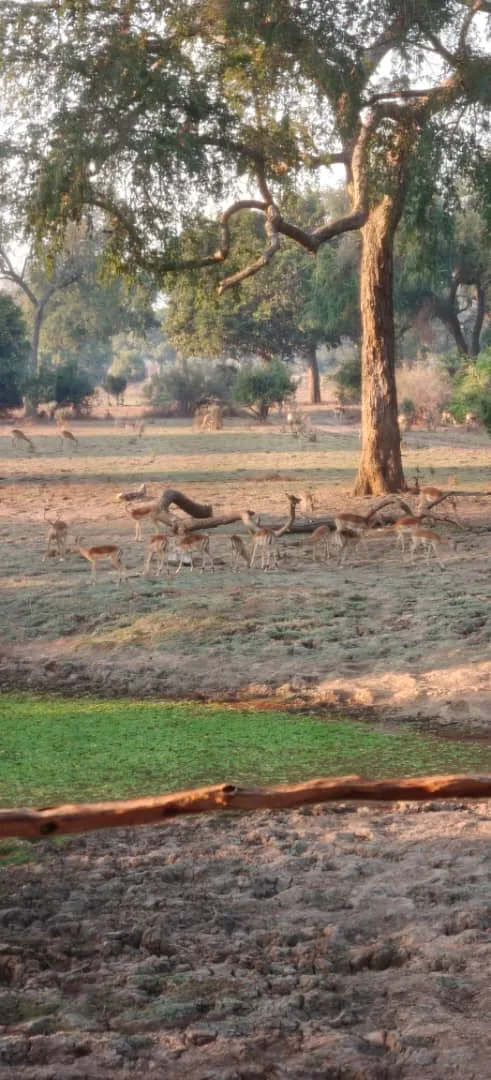
An impala herd gathered under a great tree at the back lagoon
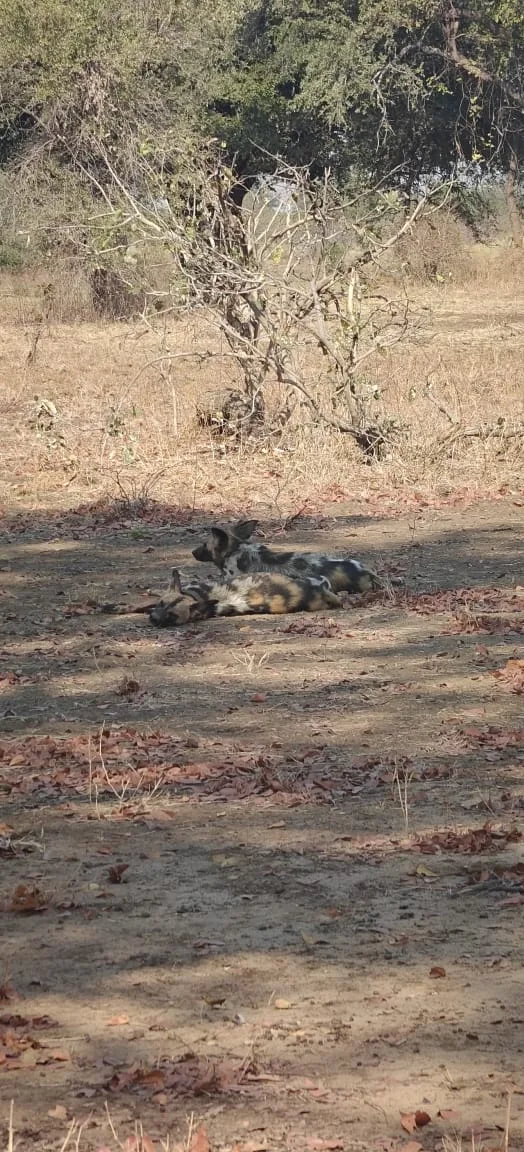
Painted dogs resting in the shade by the back lagoon
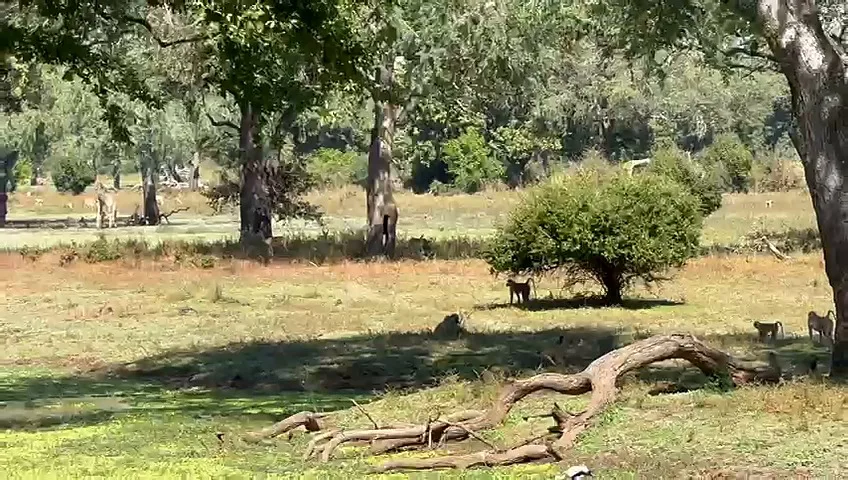
Baboons crossing the lawn beside the back lagoon
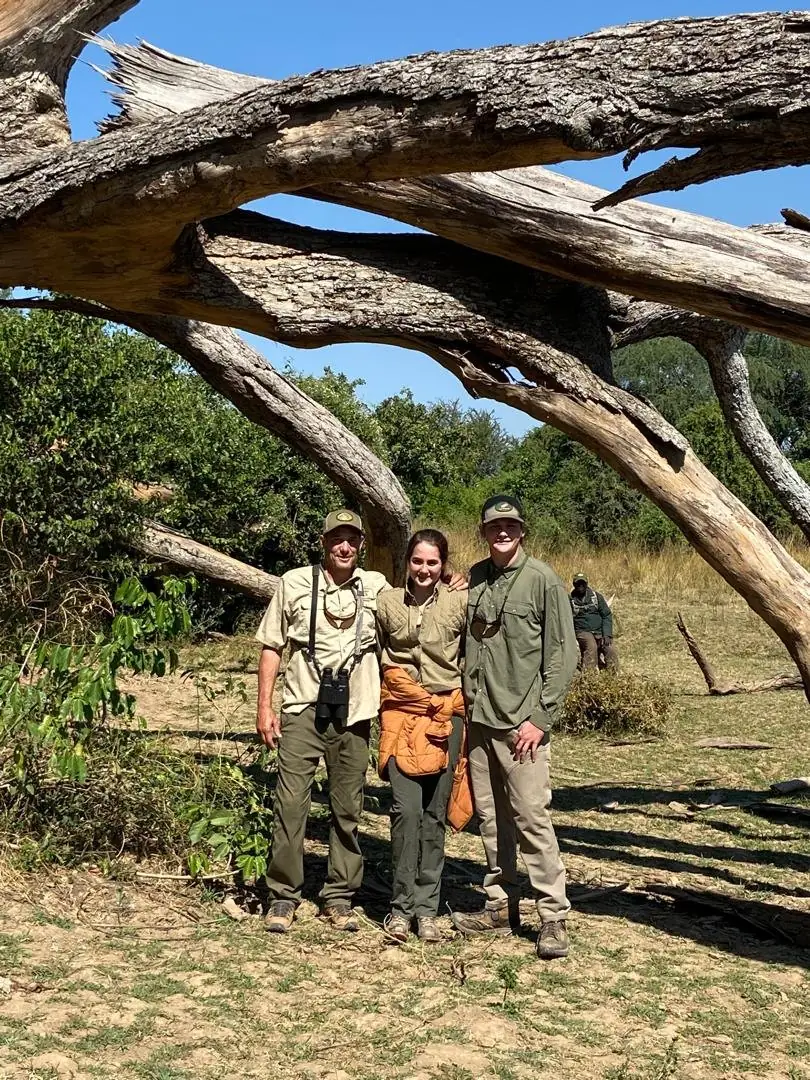
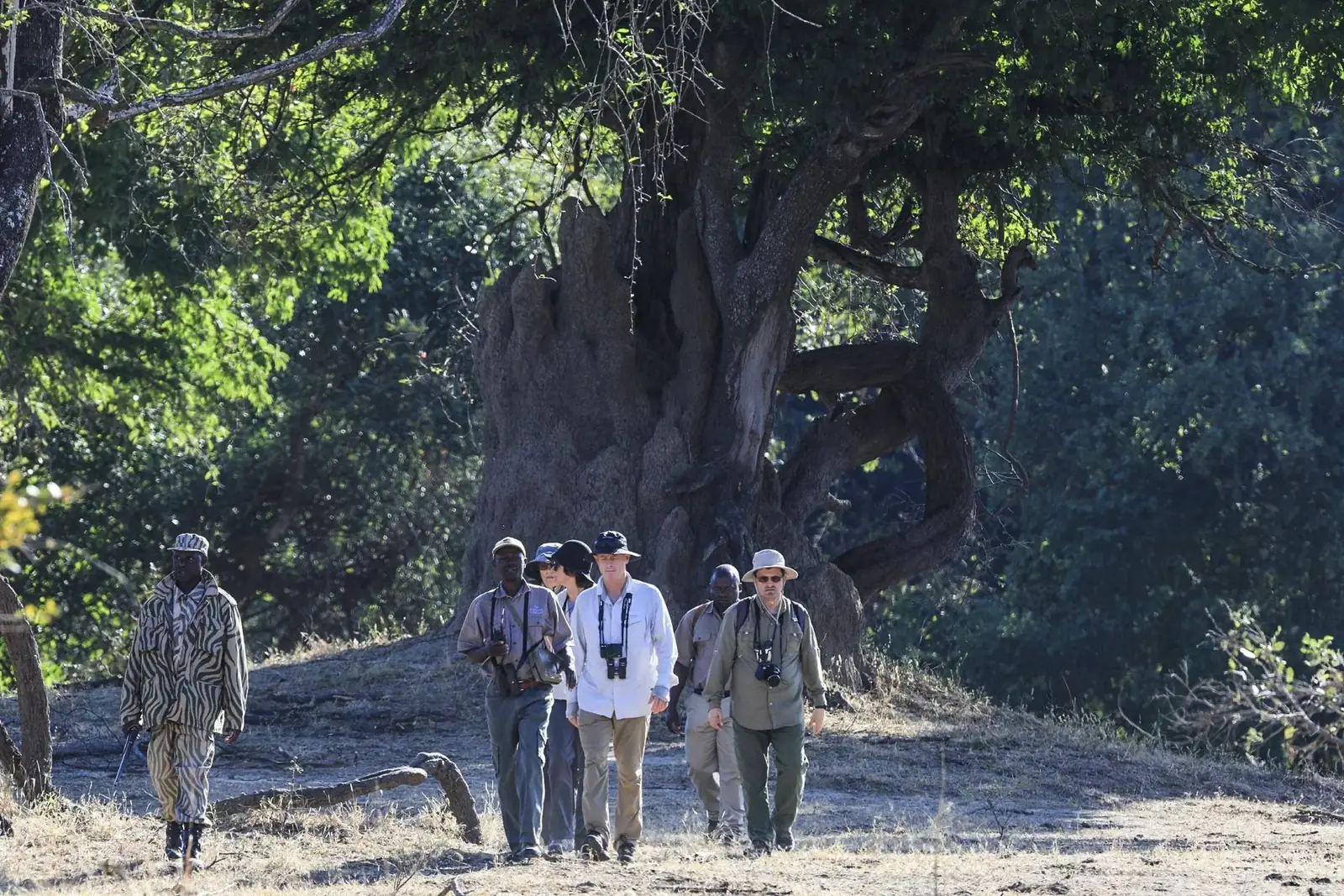
Walkers on a walking safari at Chibembe standing beneath the arching limbs of a giant fallen tree, a scout behind
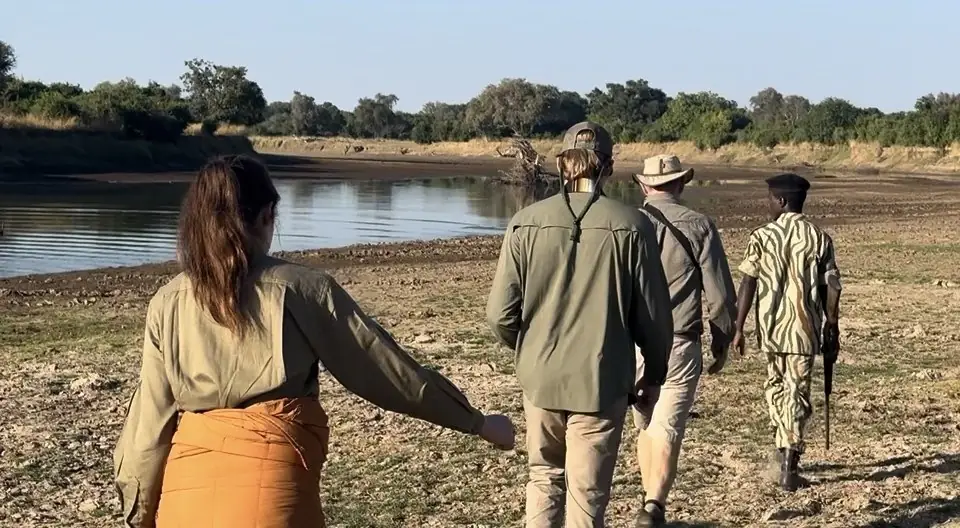
Walkers following an armed scout in single file along the Luangwa at Chibembe in the early morning
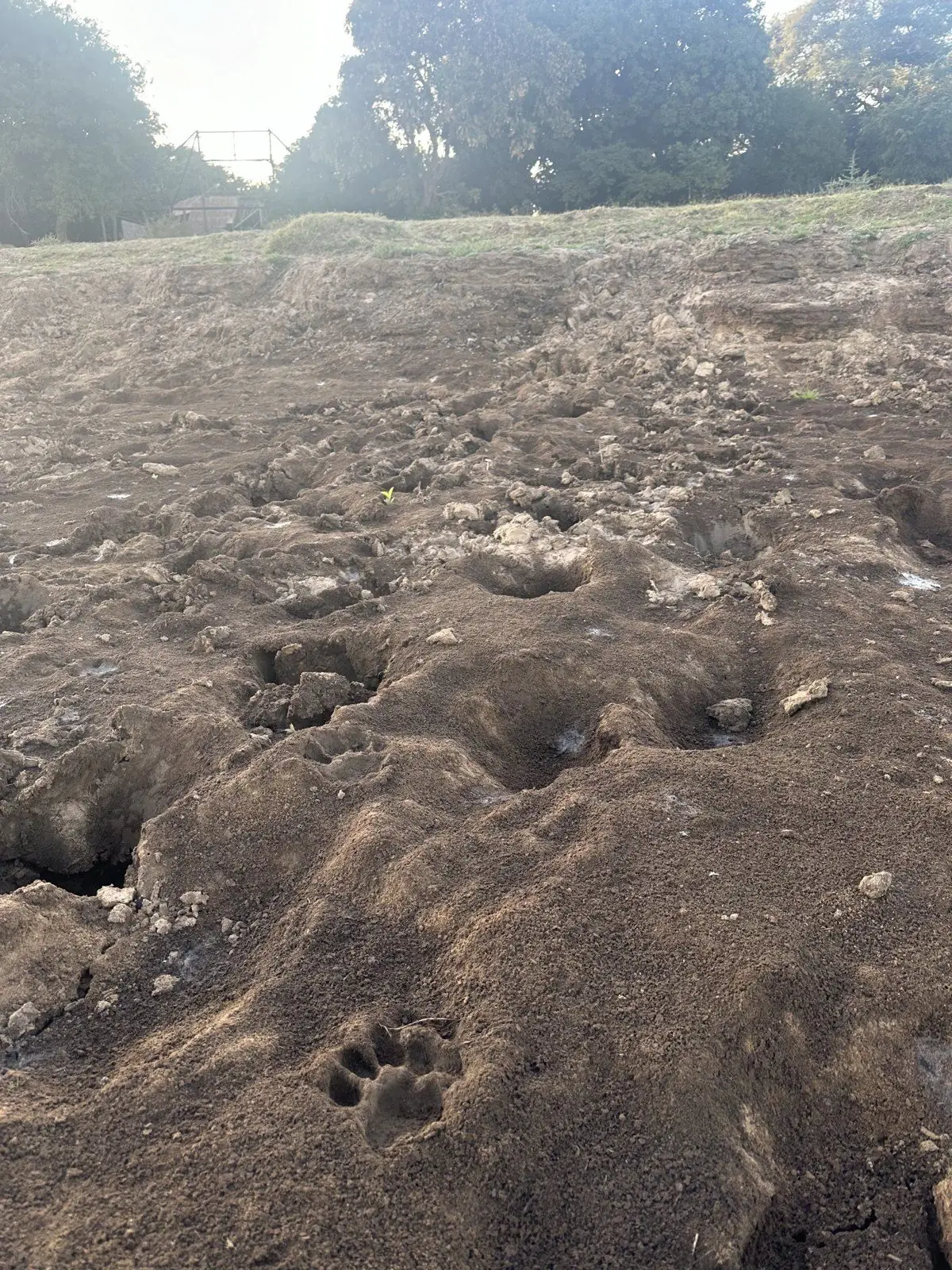
A fresh lion track pressed into soft mud on the riverbank on a walk from Chibembe, larger footprints churned into the bank behind
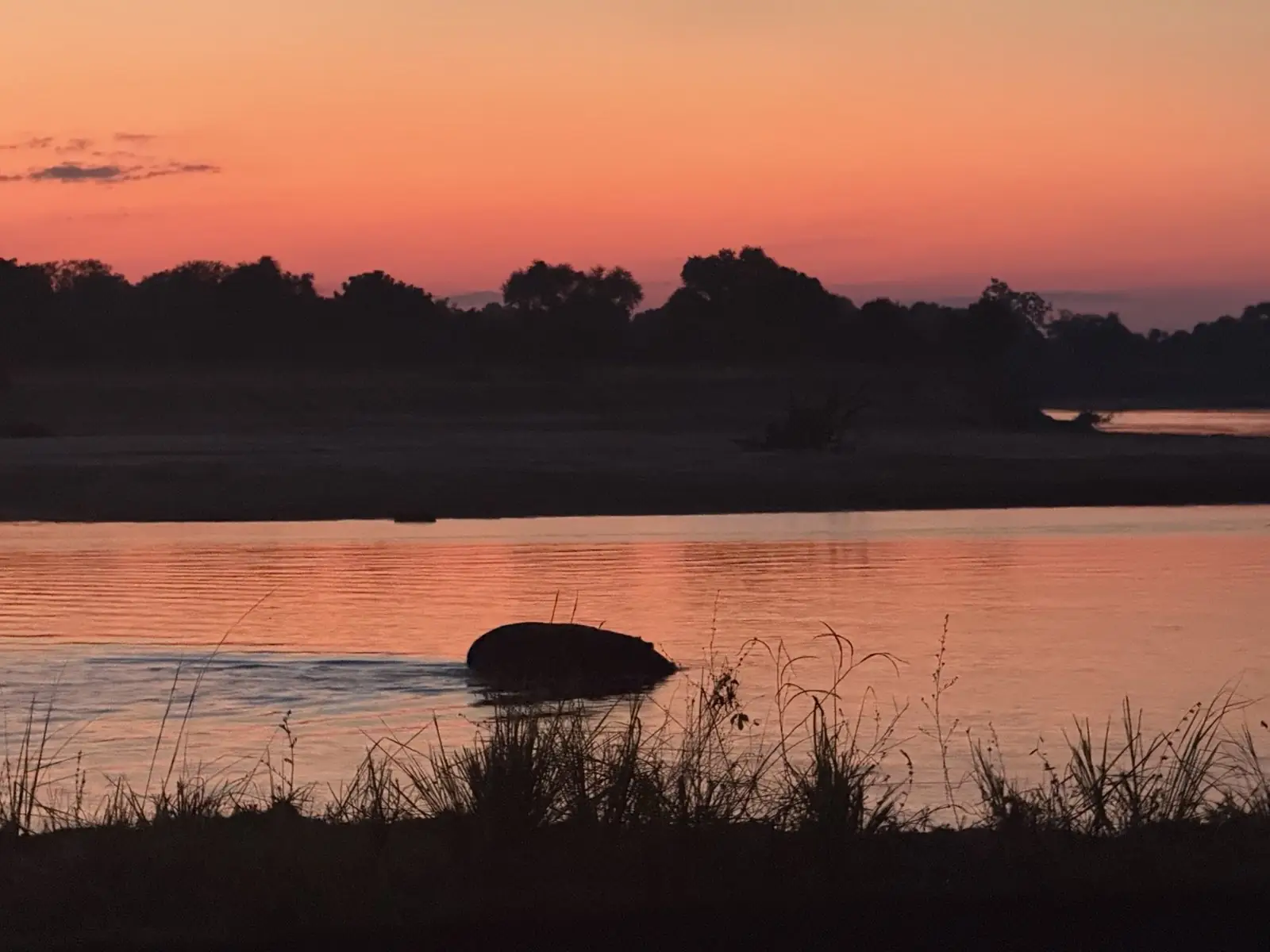
A hippo crossing the Luangwa at Chibembe under an orange sunset sky
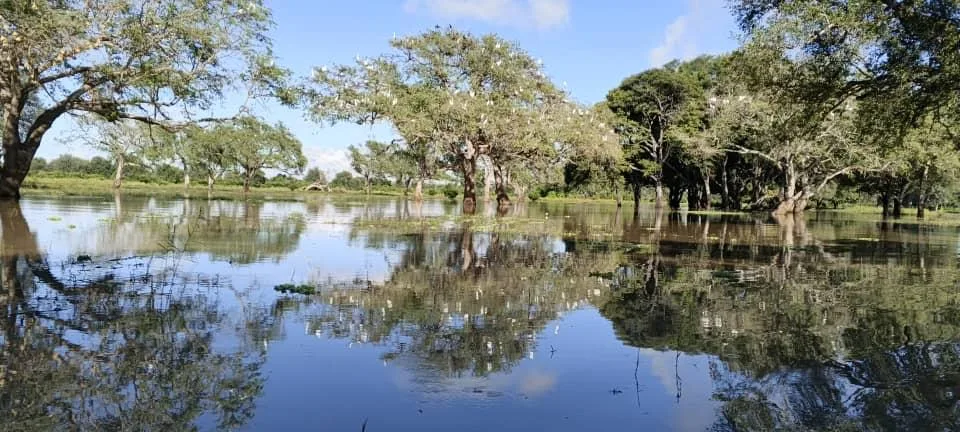
The back lagoon at Chibembe in the rains, still water mirroring trees full of egrets
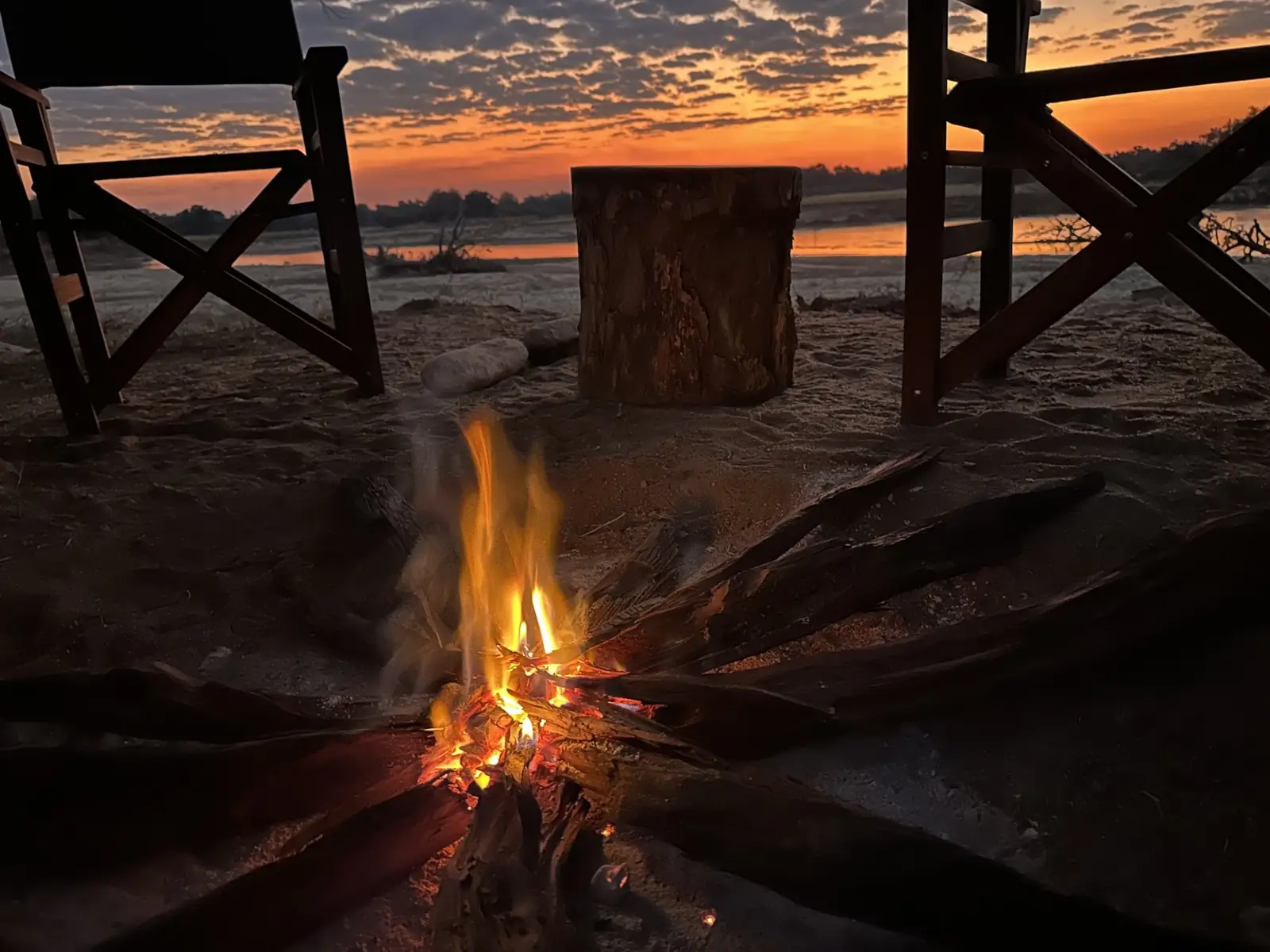
A campfire burning on the sand at Chibembe at sunset, two safari chairs and the Luangwa glowing orange behind
A herd of Cookson’s wildebeest in misty dry-season woodland at Chibembe, red leaves on the ground
Cookson’s wildebeest, found only in the Luangwa Valley, on the reserve.

Chibembe in under a minute

From the Journal

The story of this ground

The Road to Chibembe

From Fort Jameson to the river’s edge: how the walking safari began.

The Birth Certificate of the Walking Safari

The 1955 and 1961 government records behind the story.

The Original Walking Safari Circuit Is Whole Again

Chibembe and Lion Camp, back in one family’s care.

On the circuit

Inquire

Begin an inquiry

Tell us what you have in mind, one camp or the whole circuit, and the right reservations team will come back to you directly. Nothing here is a booking — it starts a conversation.

What interests you * Select one or more.
Which Bushcamp Company camps?
Which Lion Camp suites?
Chibembe · exclusive use
Your details
Your journey

Your inquiry is on its way.

It has been sent to our reservations team and we will reply to you by email. Thank you — we look forward to it.