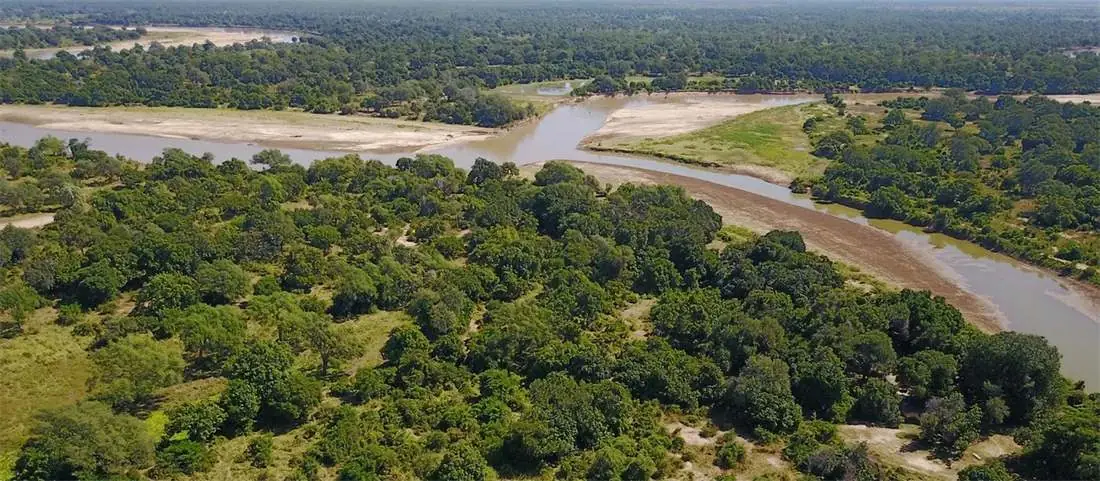
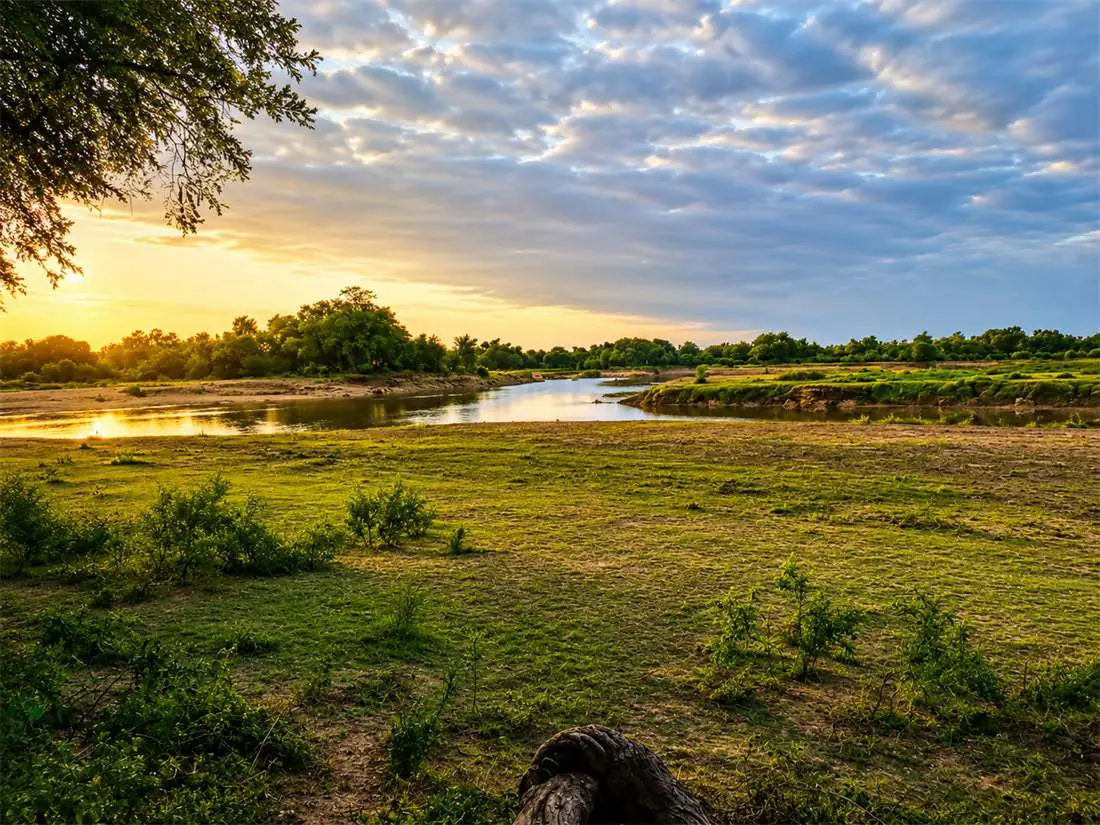
Every safari story in the Luangwa Valley eventually comes back to the same stretch of river. It is the place where the Chibembe Channel meets the main Luangwa, north of what is now the Nsefu sector of South Luangwa National Park. Long before there were lodges at Mfuwe, an airport or a paved road, there was a camp on the east bank at Chibembe, and a road that ended there.
To understand why the walking safari began at Chibembe, you have to start somewhere else: in a fortified colonial outpost on the plateau above the valley, called Fort Jameson.
Fort Jameson: the town at the top of the road
In the 1890s the high country east of the Luangwa belonged to the Ngoni kingdom of Mpezeni, a son of the great Ngoni king Zwangendaba. Mpezeni had led his people into the area decades earlier and built a state of cattle, grain and military power. The British South Africa Company, Cecil Rhodes’s chartered company, wanted his land. After a rights concession granted to a German adventurer was sold on to a Company subsidiary, fighting broke out in late 1897. The Ngoni were defeated by British-led forces armed with machine guns and artillery, and in February 1898 Mpezeni surrendered.
The Company built its administrative station in his former country and named it after Leander Starr Jameson, Rhodes’s lieutenant, best remembered for the failed Jameson Raid. It was called a fort because the government offices, the boma, were fortified. Its residents called it “Fort Jimmy.” In the first decade of the 1900s Fort Jameson was the capital of the protectorate of North-Eastern Rhodesia, until that territory was merged into Northern Rhodesia in 1911.
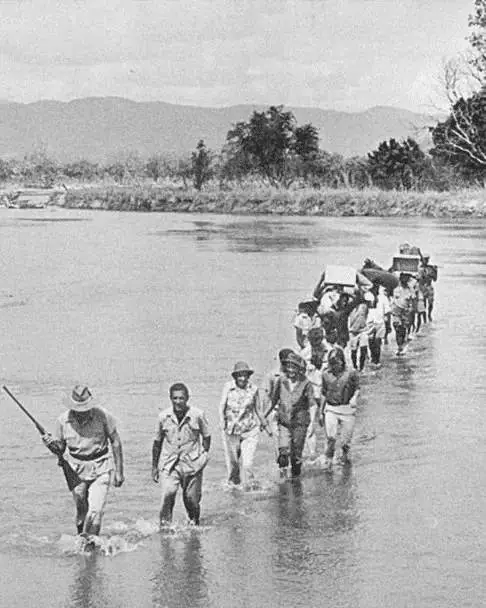
It was about as remote as a capital could be. One colonial memoir puts it 400 miles from Broken Hill and 350 miles from Blantyre, with “only one way of getting there and that was on foot,” because tsetse fly killed the horses. Mail came by runners. Malaria was everywhere, and the valley below carried sleeping sickness. The settlers were tobacco farmers, traders and, above all, elephant hunters: men who went down into the Luangwa Valley each dry season and came back with ivory. One kept receipts for more than a thousand pairs of tusks.
Slowly the town was joined to the rest of the country. A mail truck began running east from Lusaka around 1928, a trip billed at three days that could take a week. In 1932 the colonial government built the first Great East Road from Lusaka, and the first Luangwa Bridge, paid for by the Beit Trust, carried it across the river far to the south. Fort Jameson became the commercial hub of the east: its bank, its traders, its airstrip and its trophy agents served everyone who hunted the valley.
Zambia became independent in 1964, and in 1967 Fort Jameson was renamed Chipata. In 2017 it was declared a city. It is still the largest commercial center near the valley, about 80 miles from Mfuwe by road, and still where much of the valley buys its supplies.
A hunting camp at the end of the road
From Fort Jameson, the tracks ran northwest and down off the plateau into the valley. They came to the Luangwa on its east bank, and one of the places they reached was Chibembe. The river was the end of the road. There was no bridge here, and in the wet season the Luangwa floods across its plain and cuts the valley off entirely.
A camp stood at Chibembe from the early 1930s. Nkwazi, the Zambian magazine, records it as having been “in use as a hunting safari camp since 1932.” That makes it one of the oldest safari sites in the valley. It predates by nearly two decades Nsefu Camp of 1950, usually described as the first camp in Northern Rhodesia open to the public for game viewing. In those early years Chibembe was the safari in this part of the valley: the place where visiting hunters arrived from Fort Jameson, made camp on the bank and looked across the river at the wild country to the west.
The Luangwa’s game reserves were proclaimed in 1938, and South Luangwa’s boundaries roughly match today’s national park. By 1950 the Game Department was running conducted hunting parties in the valley, in camps of pole, mud and thatch rebuilt each year after the floods. Hunters flew in through Fort Jameson, and their trophies went out the same way.
That is why tourism in the valley grew up around Chibembe. The road came here, the camp was here, and on the other side of the river lay the country everyone had come to see.
1955: the pontoon
The government made the next move. In the 1950s it was opening the Luangwa Valley to visitors, and in 1955 the Luangwa Valley Development Unit recorded two pieces of work at Chibembe:
“A seasonal pontoon crossing built across the Luangwa at Chibembe to permit access from the east.”
“Lion Camp and viewing tracks built.”
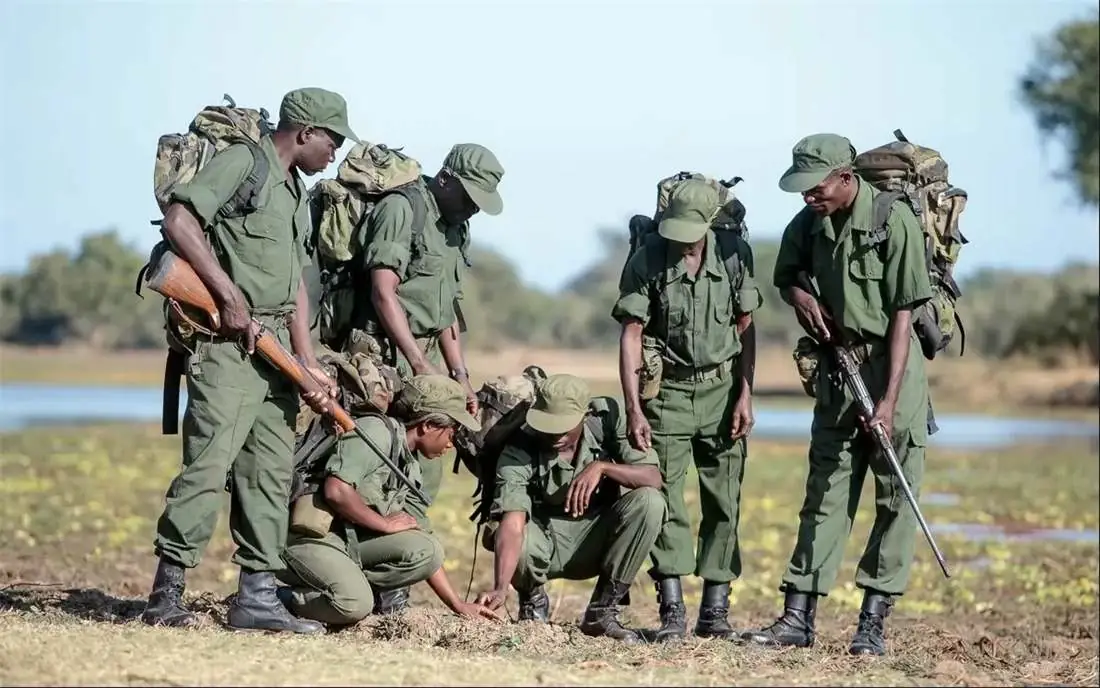
For the first time, visitors who came down the road from Fort Jameson could cross at Chibembe and keep going into the reserve on the far bank. Lion Camp, built that year, was the first camp on the west side of the river. It was a working camp for the game scouts and rangers who patrolled the reserve, and by 1959 it housed the area’s Game Officer’s Station.
Without a crossing here, the road from the east ended at the riverbank, and there was little reason to build on the west bank opposite. The road, the camp, the crossing and the scout camp on the far side were now all in place.
1961: the walk across
Norman Carr had known the valley since the 1930s, when he came as an elephant control officer. He served as a game ranger, persuaded Senior Chief Nsefu to set aside land for wildlife, and helped run the government’s first formal hunting safaris. Around 1960–61 he left government service and went into private safaris with the hunter Peter Hankin, a friend since the 1940s, through a company called Luangwa Safaris. It was a partnership of geography as much as friendship. Luangwa Safaris came to hold the safari concession across much of the valley, and the only way in was the road from Fort Jameson, which stopped at the Chibembe crossing. Hankin had built a camp there, and Carr needed it: it was where guests arrived, and the natural place to start a walking safari.
In 1961 the government leased Lion Camp to them, which gave Carr somewhere to walk to. The archive record reads:
“Lion camp leased to ‘Luangwa Safaris’, a director of this company was N.J. Carr; from this camp Wilderness Trails were pioneered by Carr as a type of tourism.”
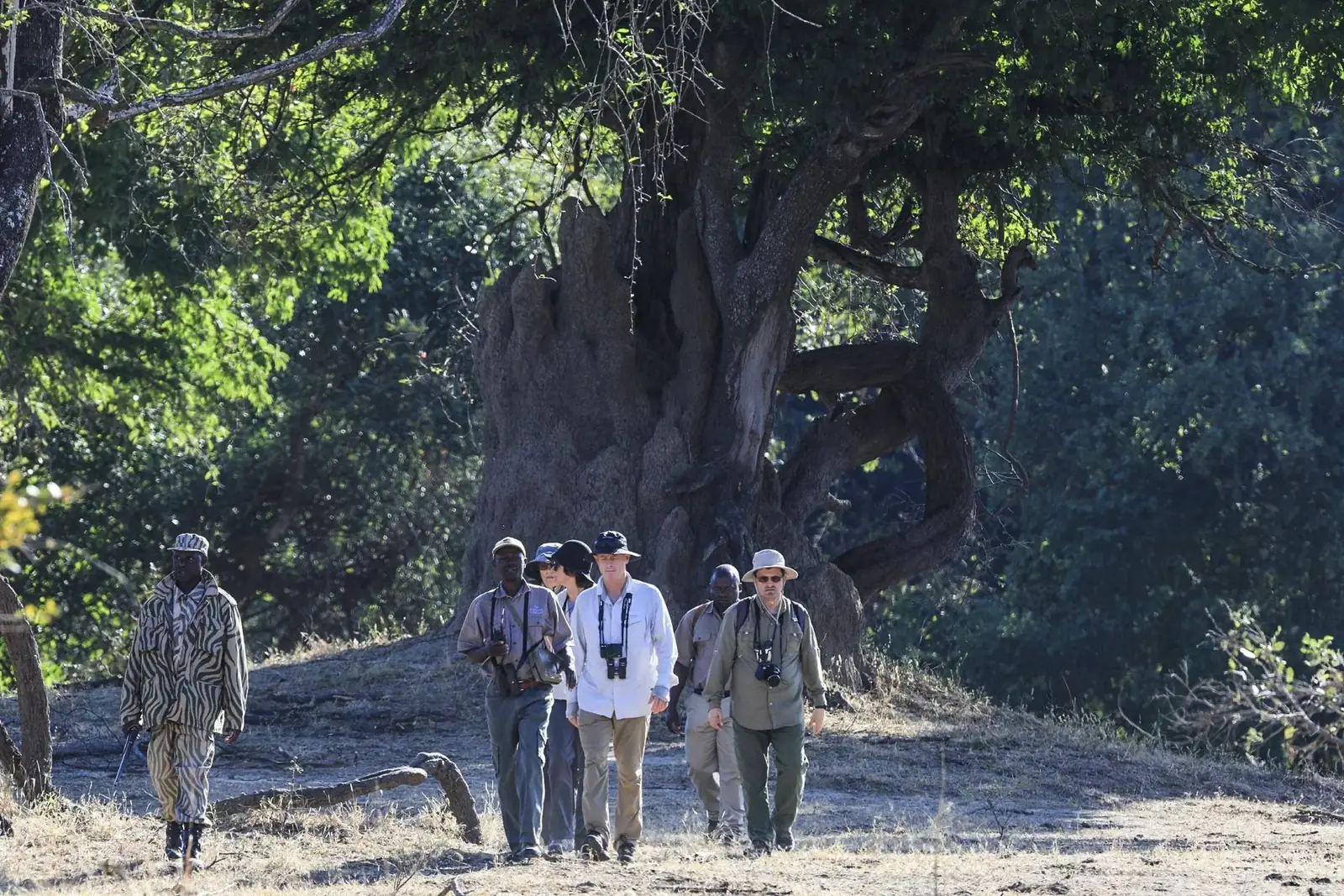
The route was simple. Guests came down the road to the east bank at Chibembe, crossed the Luangwa on the pontoon and set out on foot with Carr through the bush to Lion Camp. They came to watch animals, not shoot them, and to meet them on the ground rather than from a vehicle. It was the first commercial walking safari circuit in the valley, and Chibembe was where the road ended and the walk began.
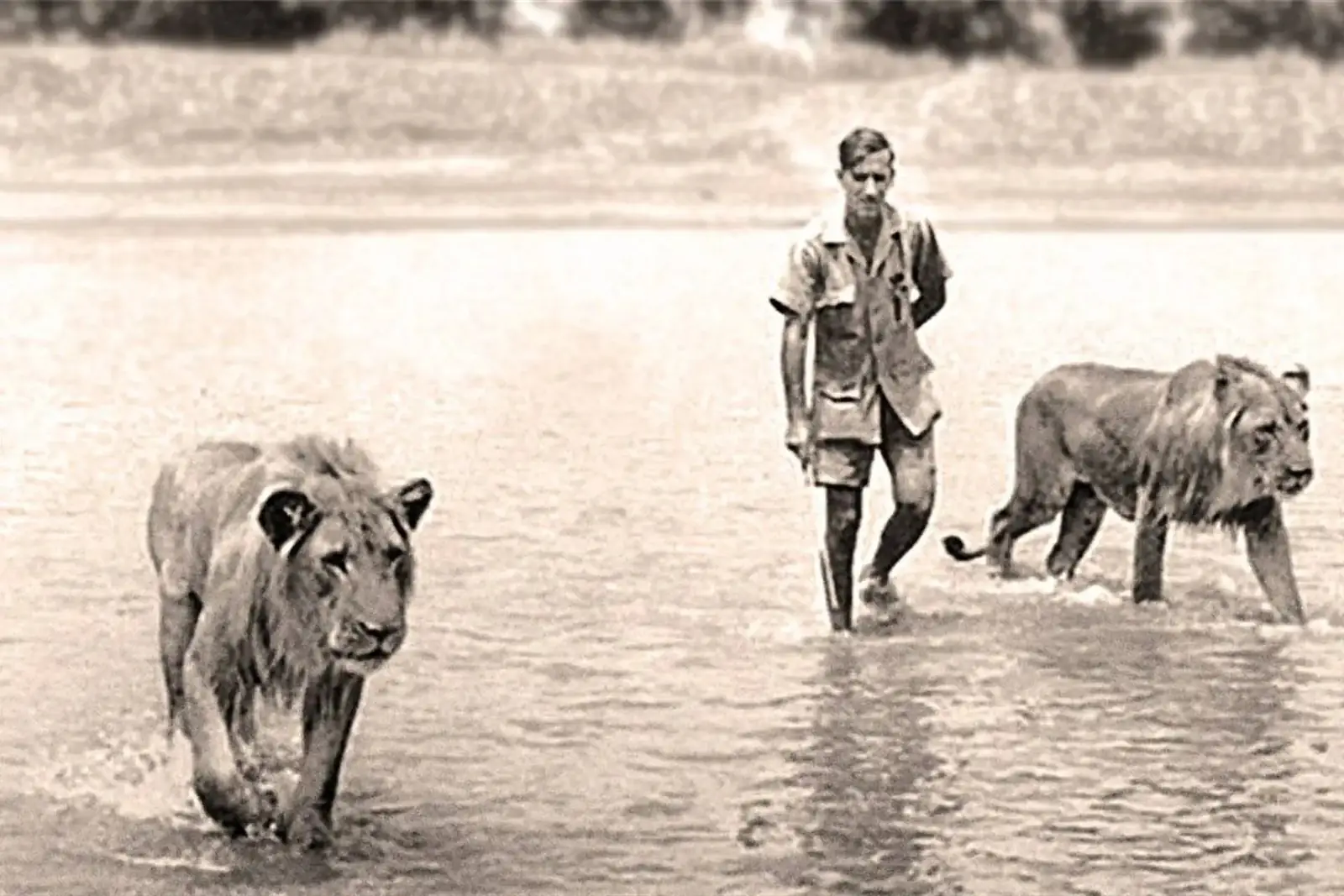
In 1968 Carr formalized the circuit and built a new Chibembe Safari Camp on this ground, an area that had always been known as Chibembe, and it became the hub of his walking circuit. By the mid-1970s it had grown to 22 chalets and three satellite walking camps for up to 60 guests. Some of the best-known guides in Zambia learned their craft there.
Once Wilderness Trails was established, Luangwa Safaris and the government between them ran the camps and scout camps of the valley, and Carr worked up and down it: at Mfuwe Camp from 1962 and Mfuwe Lodge from 1966, and based at Chibembe from the early 1970s, after the Zambia National Tourist Board took over Mfuwe. He sold Chibembe Lodge in 1979.
The rest is history
Over the decades the center of the valley’s tourism moved south to Mfuwe, with its airport, its bridge and its lodges at the gate. Chibembe went quiet for years. But the ground did not change: the confluence, the channel, the island, and the country across the river that Carr’s first walkers crossed are still there, still unfenced.
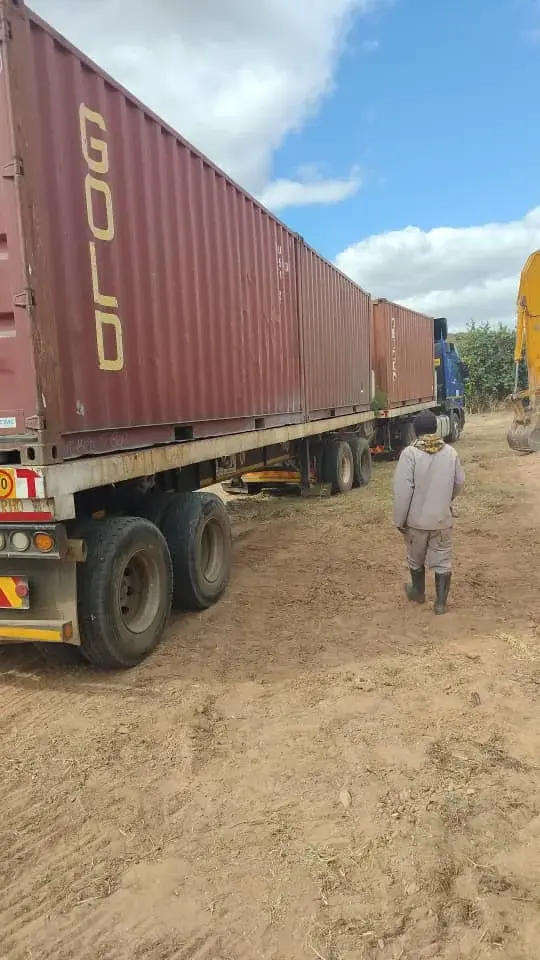
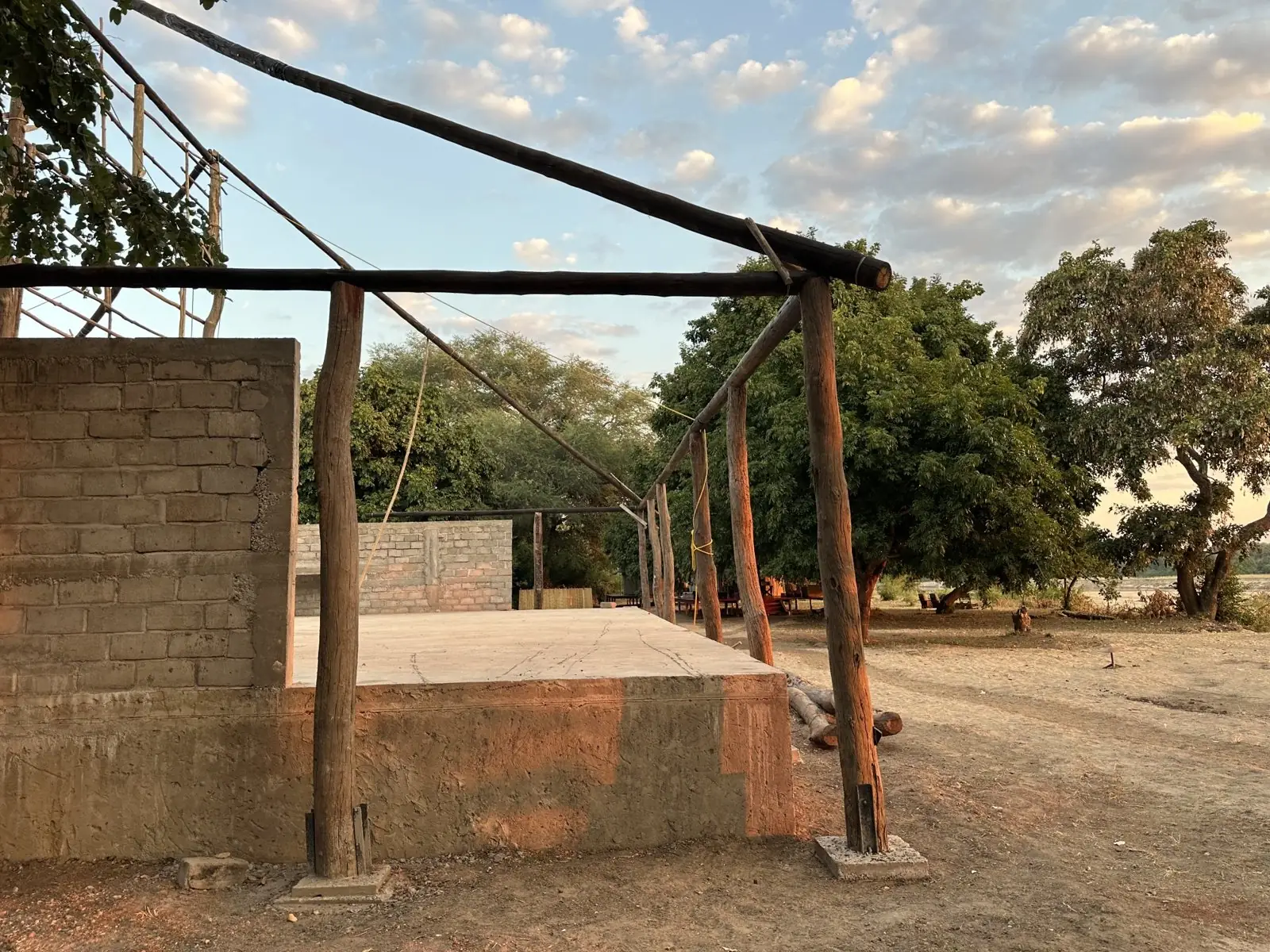
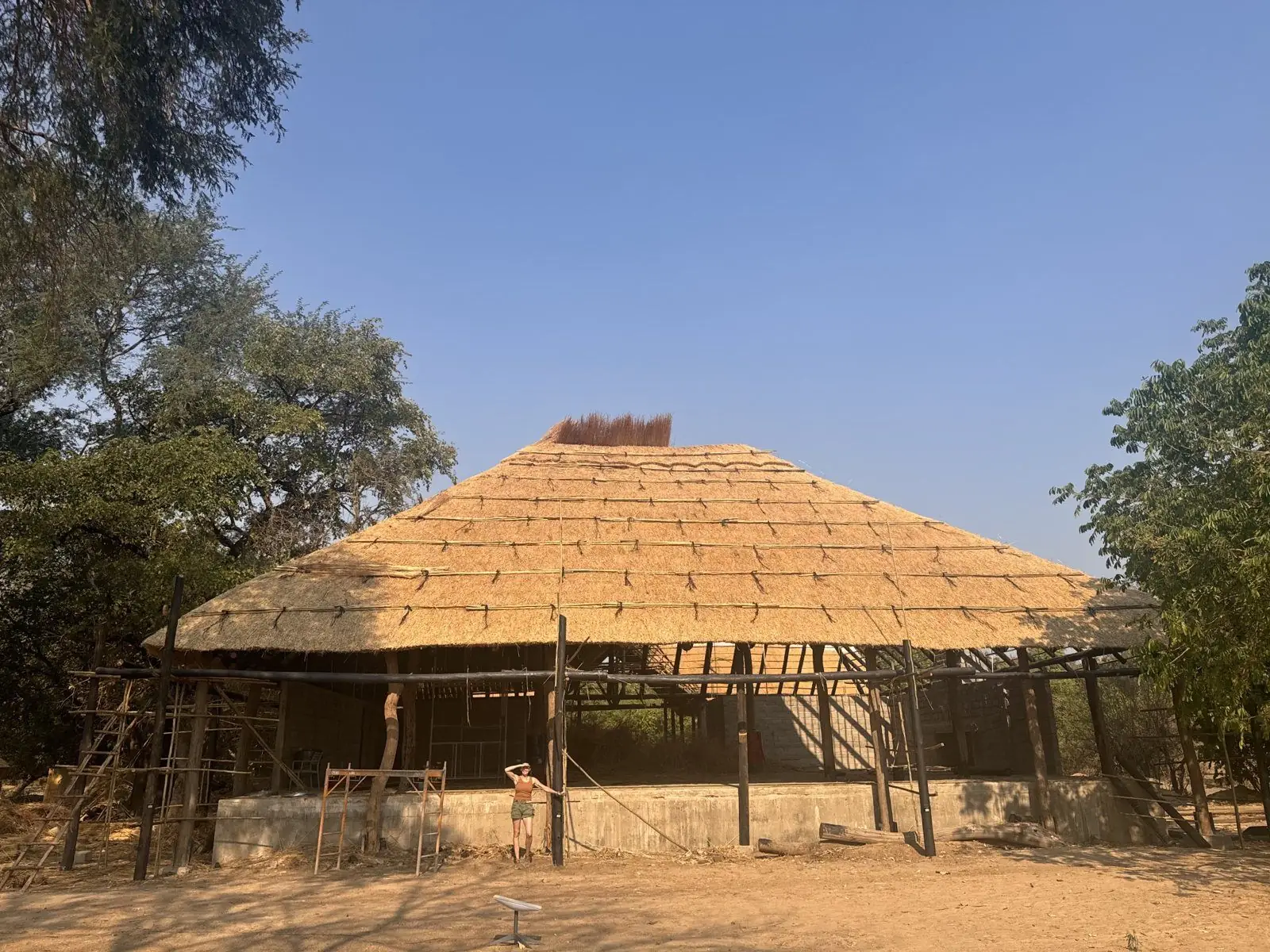
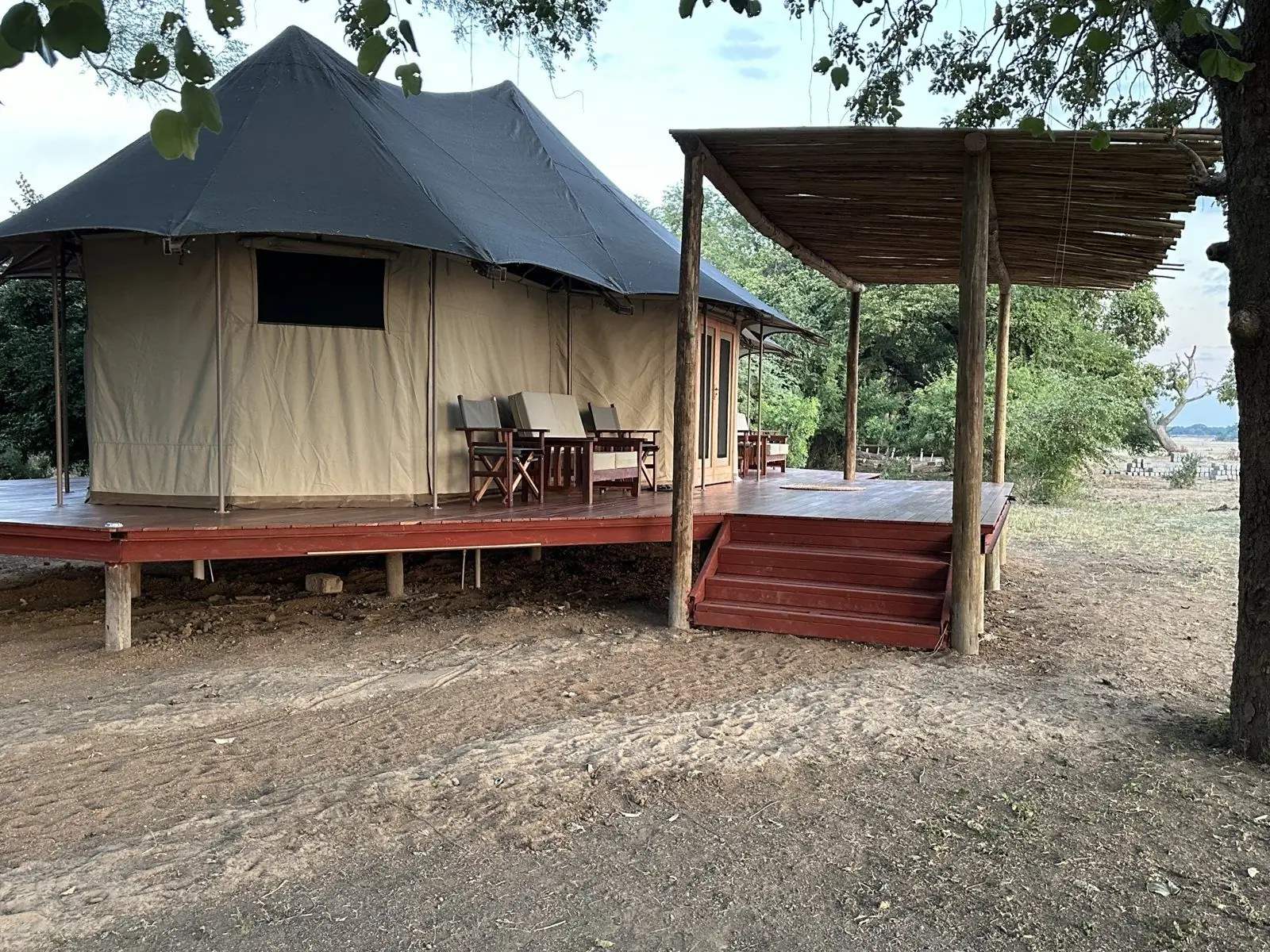
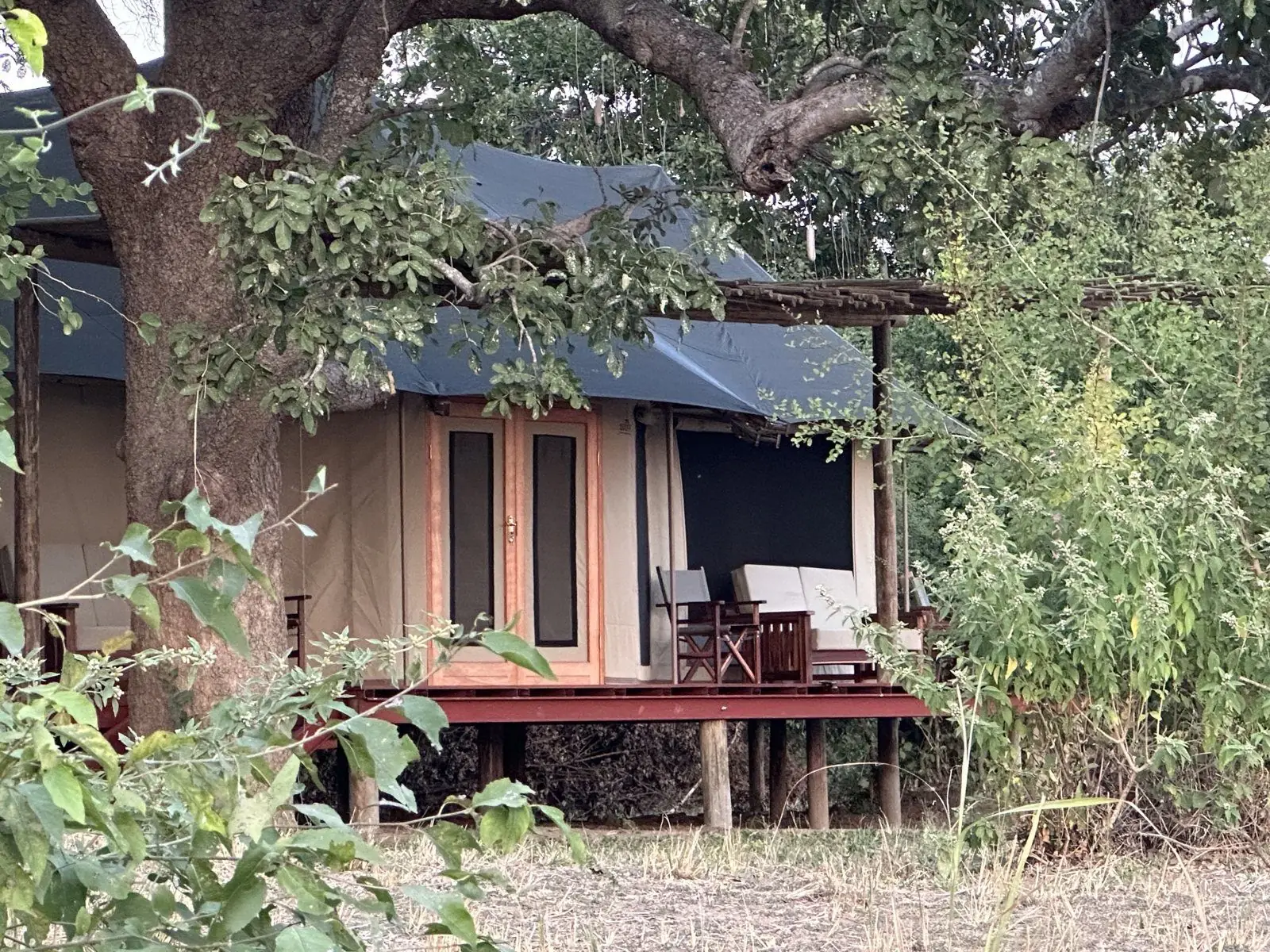
Today Chibembe Wildlife Reserve has been rebuilt, and Lion Camp still stands on the west bank where the scouts once kept their station. Together with The Bushcamp Company’s camps they form the Safari Heritage Collection: the road, the crossing and the walk, joined up again. Read how the circuit was made whole again.
Ten camps, each one different. Every one with its own history, from the old camp at the end of the Fort Jameson road to the scouts’ station across the river. And all of them in the valley where the walking safari began, on the ground where it was first walked.
There is nothing like this heritage story in Africa.
Come and walk where it all began.
Discover ChibembeSOURCES: W. L. Astle, A History of Wildlife Conservation and Management in the mid-Luangwa Valley, Zambia (1999), entries for 1955 and 1961; Nkwazi magazine, “Chibembe”; Legends & Legacies of Conservation in Africa, “Norman Carr”; Encyclopaedia Britannica, “Mpezeni” and “Chipata”; British Empire, “An Outpost”; published histories of the Great East Road and North-Eastern Rhodesia.